Best for compactness
Jackery Explorer 240D
5.0 feature score
Highest scored product for this feature based on supporting review evidence.

Highest scored product for this feature based on supporting review evidence.
Balances feature score, supporting reviews, and overall product strength.
Has the broadest review evidence for this feature.
Strongest overall product among items with scored evidence for this feature.
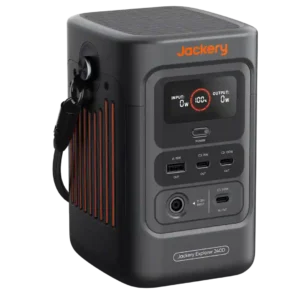
Compactness is the clearest consensus strength. The 240D fits backpacks, shelves, vehicle storage, and campsite setups far more easily than inverter-equipped stations.
Pros: power output, rated output
Cons: AC outlet count, repairability
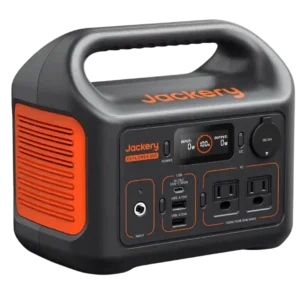
Compactness is one of the most consistent strengths; reviewers repeatedly call the Explorer 300 tiny, easy to pack and ideally sized for short trips.
Pros: output stability, voltage regulation
Cons: battery expandability, water resistance
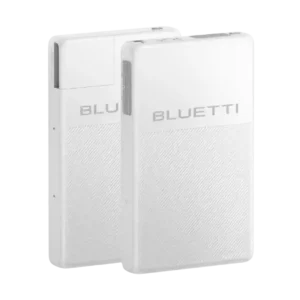
Its three-inch slab form is the defining advantage, fitting above, beside, behind, or beneath appliances where box-shaped power stations cannot. Actual clearance still depends on cabinets and cord routing.
Pros: power output, rated output
Cons: USB-A ports, 12-volt outlet
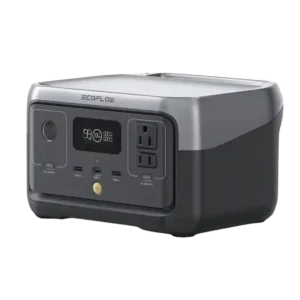
The small footprint is a defining advantage, fitting vehicles, bags, desks, and crowded camping kits without sacrificing basic outputs.
Pros: surge capacity, output stability
Cons: dual-input charging, whole-home integration
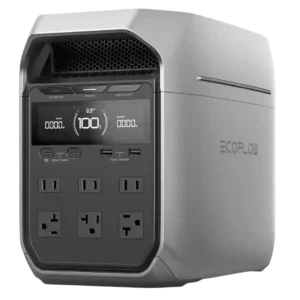
The narrow, roughly desktop-tower-sized body fits well in vehicles, closets, RVs, and crowded workspaces.
Pros: rated output, peak output
Cons: 30-amp output, parallel operation support
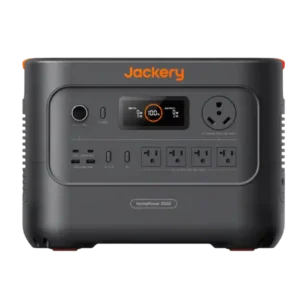
The compact body is one of the product's strongest differentiators, fitting 3kWh capacity and 3,600W output into a surprisingly small enclosure.
Pros: power output, rated output
Cons: battery expandability, car charging speed
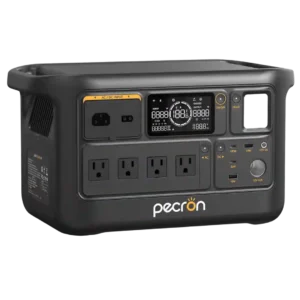
Its compact body is a major advantage for trunks, condos, camping setups, and other spaces where a larger power station would be awkward.
Pros: rated output, peak output
Cons: startup reliability, whole-home integration
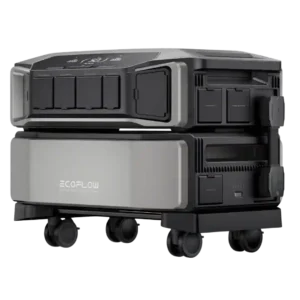
Despite its huge capacity potential, the stacked design can be relatively space-efficient. Reviewers liked how the compact footprint fits better into closets and tighter utility areas.
Pros: power quality, simultaneous device support
Cons: battery percentage accuracy, firmware updates
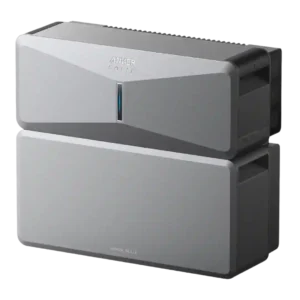
Despite its large capability, the stacked layout can be surprisingly low-profile and space-efficient once installed.
Pros: rated output, surge capacity
Cons: outlet selection, AC outlet count
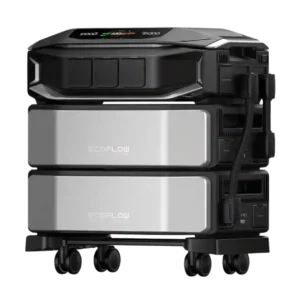
For a system with this much output and storage potential, the modular stacked design keeps the footprint relatively contained. It is still a large home-energy product, not a compact camping...
Pros: output stability, voltage regulation
Cons: solar cable compatibility, UPS functionality
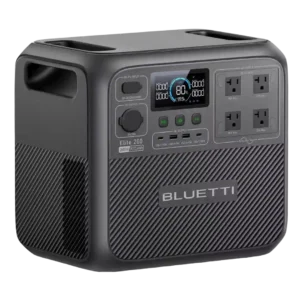
This is exceptionally compact for a 2kWh, 2.6kW station, fitting easily into vans, vehicles, workshops, and tight home storage spots.
Pros: output stability, pure sine wave output
Cons: specification accuracy, startup reliability
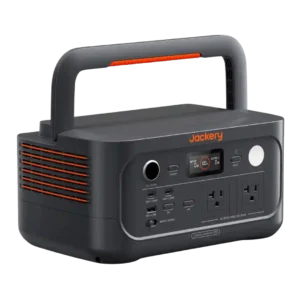
Compactness is a defining strength. Reviewers repeatedly praised the lunch-box-like footprint, easy vehicle storage, and ability to deliver meaningful capacity without becoming bulky.
Pros: output stability, pure sine wave output
Cons: remaining runtime estimate, Bluetooth connectivity
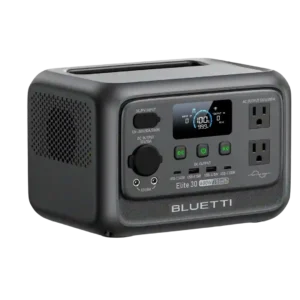
Its small footprint is one of the clearest strengths. It fits under desks, in tents, vehicles, sheds, and crowded camping setups without feeling like a burden.
Pros: rated output, output stability
Cons: over-voltage protection, cold-weather performance
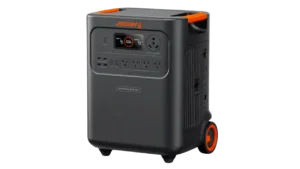
Compactness is a standout achievement for a power station with this much battery and inverter capacity.
Pros: output stability, voltage regulation
Cons: DC output, 12-volt outlet
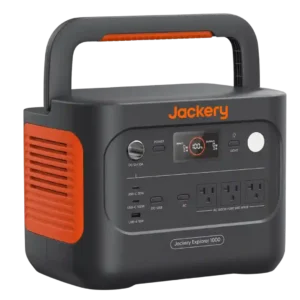
The redesigned body is notably compact for a 1kWh station and fits easily in trunks, RV storage, workshops, and tight camp setups.
Pros: rated output, peak output
Cons: standby power loss, specification accuracy
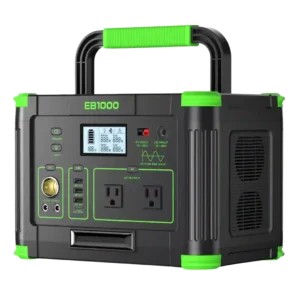
Its compact, boxy shape fits tight RV corners, vehicle cubbies, shelves, and work setups more easily than many similarly sized power stations.
Pros: rated output, output stability
Cons: battery expandability, startup reliability
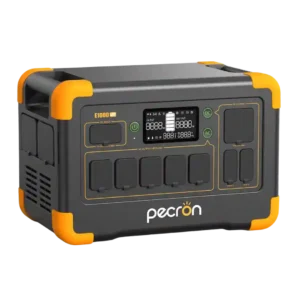
The E1000LFP packs substantial capability into a relatively compact body that is easy to place and move compared with many similarly capable stations.
Pros: inverter quality, LiFePO4 battery
Cons: idle noise, built-in light
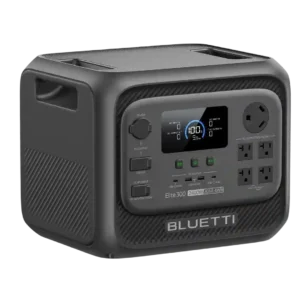
For a 3kWh station, the Elite 300 is exceptionally compact and often compared in size with 2kWh models. A few testers still found it chunky rather than truly small.
Pros: surge capacity, voltage regulation
Cons: water resistance, ventilation requirements
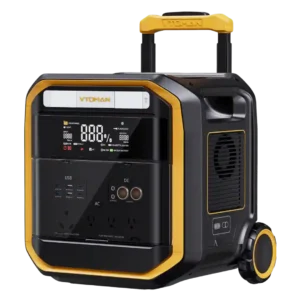
For a 3.1kWh station, the body is impressively compact and luggage-like. Several reviewers were surprised by how much capacity VTOMAN packed into the footprint.
Pros: power output, surge capacity
Cons: specification accuracy, peak output
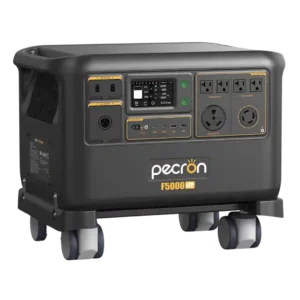
Despite its very large battery and inverter, several reviewers find the footprint impressively compact for the capability on offer. It is space-efficient for the class even though it is far...
Pros: power output, output stability
Cons: firmware updates, built-in light
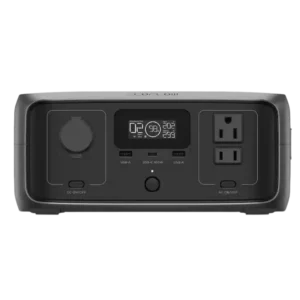
Its low, compact body is one of the most praised traits, fitting under seats, in bags, and on crowded desks. A small minority expected an even smaller unit.
Pros: noise level, idle noise
Cons: self-discharge rate, air travel suitability
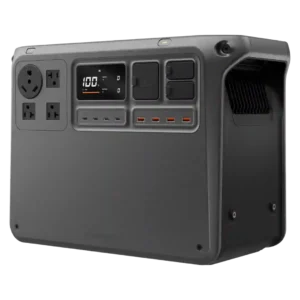
The capacity-to-size ratio is excellent, allowing the station to fit in vehicles, closets, and workspaces more easily than many rivals.
Pros: rated output, peak output
Cons: startup reliability, full-load noise
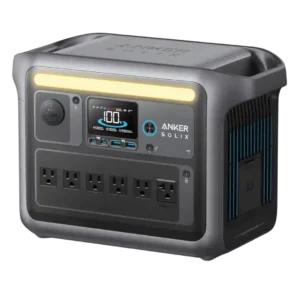
The C1000 packs unusually high output into a compact body that fits well in vehicles, closets, and work areas. This power-to-size balance is one of its most repeated strengths.
Pros: power output, rated output
Cons: dual-input charging, cable storage
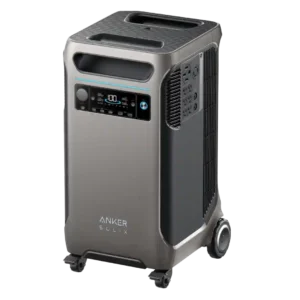
The tall, narrow form factor uses floor space efficiently and is surprisingly compact for a 6kW home-backup station.
Pros: rated output, output stability
Cons: car charging speed, USB-A ports
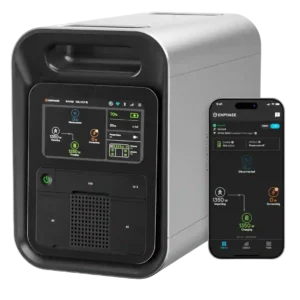
Despite its weight, the enclosure packs a sophisticated 1.5 kWh system into a relatively compact footprint.
Pros: rated output, output stability
Cons: runtime at full load, RV outlet
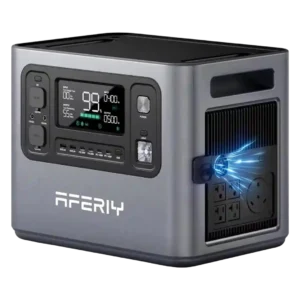
Despite its 2kWh capacity, the unit was considered fairly compact and practical for vehicle-based travel.
Pros: rated output, peak output
Cons: app connectivity, voltage regulation
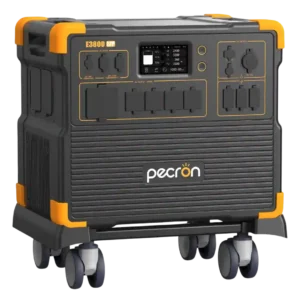
For its capacity class, the E3800LFP is considered relatively compact, although it is still heavy and best suited to semi-permanent use.
Pros: surge capacity, output stability
Cons: app connectivity, idle noise
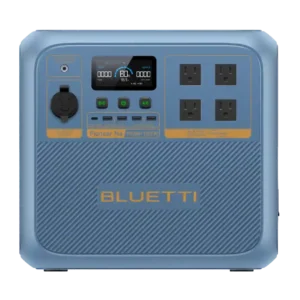
The sodium pack is bulky relative to the amount of energy it stores, so the unit is less compact than comparable lithium alternatives.
Pros: pure sine wave output, startup performance
Cons: MPPT controller performance, battery expandability
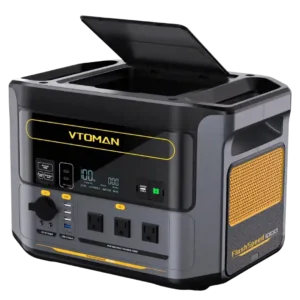
Despite its 828Wh capacity, the body occupies more trunk or storage space than some higher-capacity rivals.
Pros: inverter quality, power quality
Cons: Wi-Fi connectivity, weather resistance
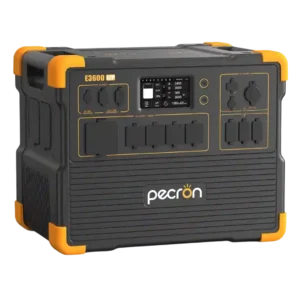
This is not a compact station; its bulky body is better suited to stationary backup than frequent travel.
Pros: power output, rated output
Cons: output stability, voltage regulation