Best for character development
The Last of Us Part II Remastered
5.0 feature score
Highest scored product for this feature based on supporting review evidence.

Highest scored product for this feature based on supporting review evidence.
Balances feature score, supporting reviews, and overall product strength.
Has the broadest review evidence for this feature.
Strongest overall product among items with scored evidence for this feature.
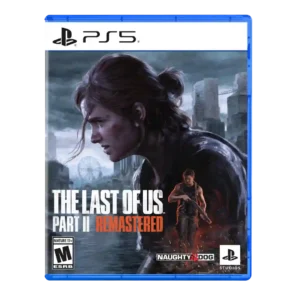
Character development was praised for its heavy character work and risky perspective structure.
Pros: core gameplay loop, level design
Cons: family friendliness, puzzle design
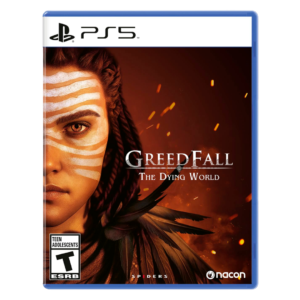
Companion questlines can give party members full character arcs, making relationship-building one of the more rewarding parts of the adventure.
Pros: mission design, sandbox freedom
Cons: movement feel, aiming precision
Character growth was described as subtle but powerful, with personality emerging through battlefield behavior and interactions.
Pros: controls responsiveness, level design
Cons: world interactivity, dialogue quality
Major characters get meaningful arcs, especially the new faces tied to the central conflict. Reviewers praise how those developments deepen both the rivalry and the emotional stakes.
Pros: controls responsiveness, exploration quality
Cons: QTE design, camera behavior
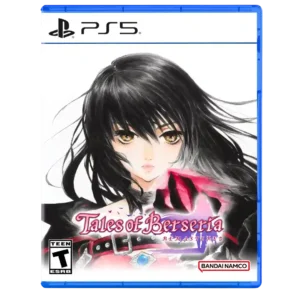
Character growth is one of Berseria’s strongest qualities, especially Velvet’s arc and the way major party members evolve across the story.
Pros: crafting system, content variety
Cons: monetization fairness, endgame content

Character development is a standout, especially the Z-Team’s gradual growth into a found family. A few reviewers wanted more balanced screen time across the large ensemble.
Pros: mission design, upgrade system
Cons: family friendliness, onboarding experience
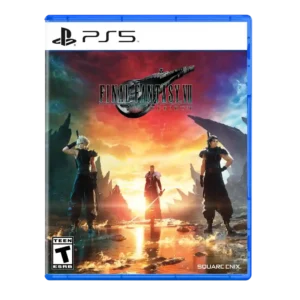
Character development is a standout consensus strength, with reviewers emphasizing deeper bonds, richer backstories, and more rounded portrayals across the party.
Pros: world-building, art direction
Cons: mission design, stealth mechanics

Character development centered on Pauline's confidence and her bond with DK, which several reviewers found heartwarming and defining.
Pros: gameplay mechanics, world interactivity
Cons: economy and resource balance, enemy variety
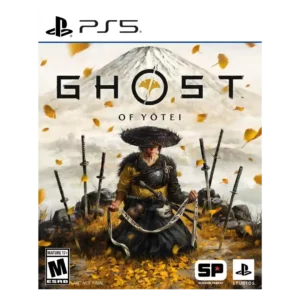
Atsu’s arc is praised for emotional clarity, redemption, growth, and a more intimate character focus than the predecessor.
Pros: movement feel, environmental detail
Cons: puzzle design, age appropriateness
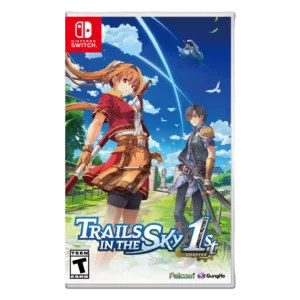
Character development was praised for Estelle and Joshua’s growth, their bond, and the way the remake carries emotional arcs.
Pros: protagonist appeal, art direction
Cons: camera behavior, tutorial quality
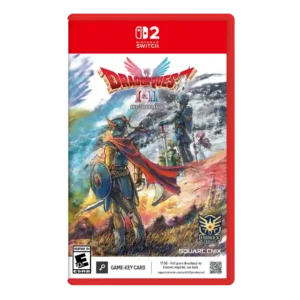
Reviewers especially praised Dragon Quest II's party members for gaining stronger arcs, personalities, and interpersonal chemistry.
Pros: visual effects quality, environmental detail
Cons: AI behavior, level design
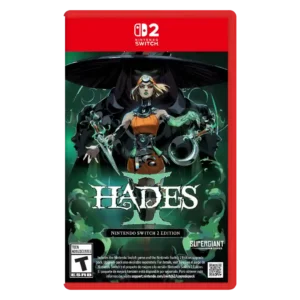
Character arcs and evolving relationships are praised for making the cast feel connected and worth returning to between runs.
Pros: skill tree depth, dialogue quality
Cons: emotional impact, economy and resource balance
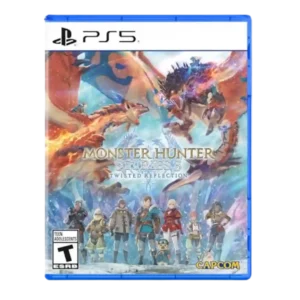
Companion quests and the broader story give the party more growth and backstory than earlier entries, with several characters becoming genuine standouts.
Pros: puzzle design, level design
Cons: crash stability, multiplayer design
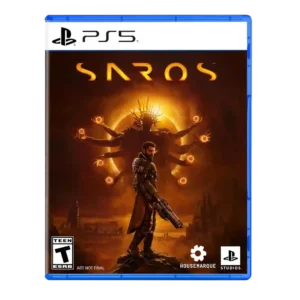
Arjun’s arc drew praise where reviewers felt his development became darker, more complex, and captivating.
Pros: value for money, fun factor
Cons: map and navigation design, side character depth
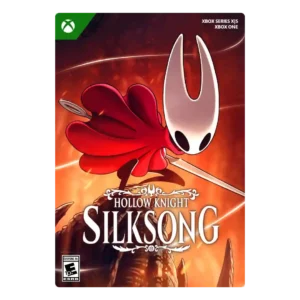
Character development is praised for Hornet softening through Pharloom and for character arcs that counterbalance the harsh world.
Pros: core gameplay loop, world interactivity
Cons: loot system, accessibility options
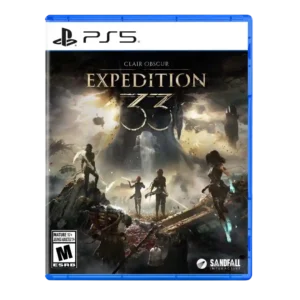
Character development was praised for interesting party members, growth, humanity, and introspective motivations.
Pros: monetization fairness, microtransaction impact
Cons: platforming precision, menu usability
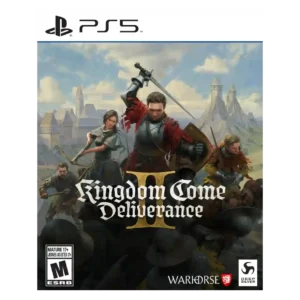
Henry and Hans received strong praise for their evolving relationship and character arcs, with Henry’s trauma and growth adding stakes.
Pros: soundtrack quality, fun factor
Cons: checkpoint system, family friendliness
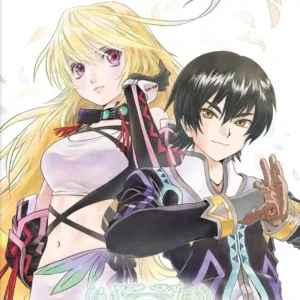
Character growth is one of the strongest narrative qualities. Reviewers repeatedly praise the way Jude, Milla, Alvin, and the wider party evolve through personal struggles and relationships.
Pros: gameplay mechanics, world-building
Cons: AI behavior, platform-specific feature support
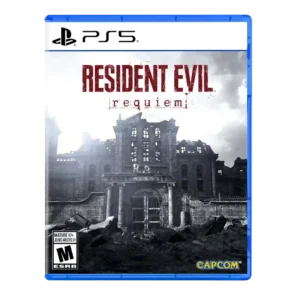
Character development evidence centered on Grace’s growth and consistency, with reviewers finding her arc effective.
Pros: driving mechanics, protagonist appeal
Cons: platform-specific feature support, checkpoint system
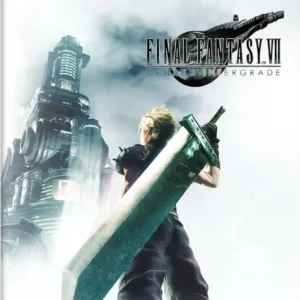
Expanded scenes give Cloud, Aerith, Tifa, Barret, Jessie, Biggs, and Wedge more depth; one reviewer finds the main cast less likable.
Pros: controls responsiveness, movement feel
Cons: camera behavior, physical copy condition

Character development is praised for keeping reviewers engaged and for a cast that one reviewer felt was not underdeveloped.
Pros: world interactivity, sandbox freedom
Cons: crash stability, learning curve

Character development was praised for making characters feel real and emotionally grounded.
Pros: atmosphere, voice acting
Cons: world interactivity, camera behavior

The ghosts’ personal burdens and chapter-specific arcs can make the cast lovable and emotionally meaningful. Uneven writing keeps that growth from landing consistently.
Pros: progression system, onboarding experience
Cons: mission design, mission variety
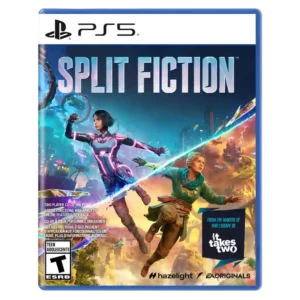
Character development earned praise from reviewers who felt Mio and Zoe’s relationship and emotional growth paid off.
Pros: puzzle design, level design
Cons: exploration quality, side character depth
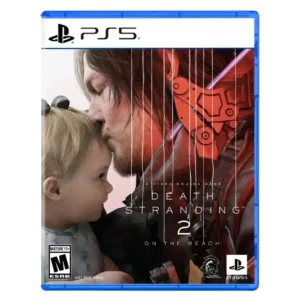
Character development is praised where reviewers saw Sam relying on others more and the sequel deepening characterization.
Pros: animation quality, facial animations
Cons: quest design, AI behavior
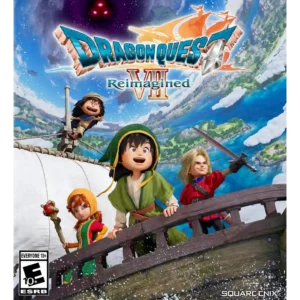
Kiefer, Maribel, and other party members have arcs that can resonate, especially around purpose and growing up. Some critics still wanted more time and depth for those journeys.
Pros: atmosphere, voice acting
Cons: controls responsiveness, quest design

Aava’s characterization is deliberately thorny and divisive. Some reviewers see meaningful emotional layers, while others feel her abrasiveness never develops into a satisfying arc.
Pros: open-world design, visual effects quality
Cons: frame rate stability, user interface design
Character development was praised for how relationships and reactivity could make the story feel personal.
Pros: user interface design, graphics quality
Cons: combat system, animation quality

Character development gets positive evidence where the campaign gives more attention to the people behind the cars.
Pros: controls responsiveness, movement feel
Cons: tutorial quality, animation quality
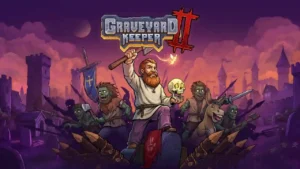
Characters do more than hand out tasks; their situations and personalities change as their stories progress. That growth gives the supporting cast more texture over time.
Pros: exploration quality, sandbox freedom
Cons: companion AI, protagonist appeal
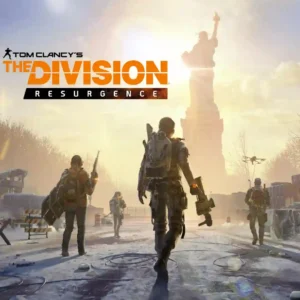
A fully voiced agent feels more like a real character than the silent protagonists in earlier entries.
Pros: exploration quality, sandbox freedom
Cons: mission variety, companion AI
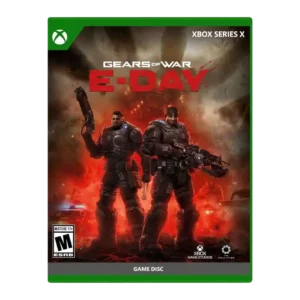
Reviewers see character development potential in learning more about younger Marcus and Dom and the new squad around them.
Pros: emotional impact, art direction
Cons: value for money, platform-specific feature support
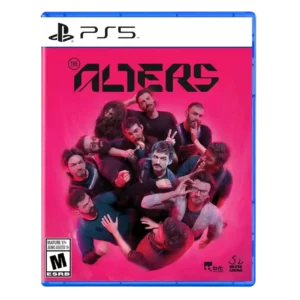
Character development was broadly praised for distinct, evolving Jans, though one reviewer felt the alters leaned into caricature.
Pros: controls responsiveness, onboarding experience
Cons: crash stability, grind level
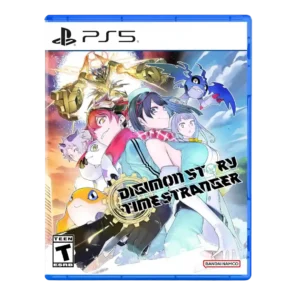
Character development was praised for Digimon relationships, time-spanning growth, and meaningful arcs, with humans less consistently strong.
Pros: atmosphere, world-building
Cons: HUD clarity, fast travel convenience

Character development is expected to improve because reviewers saw the remake fleshing out Edward’s story and personal relationships.
Pros: core gameplay loop, visual effects quality
Cons: monetization fairness, microtransaction impact
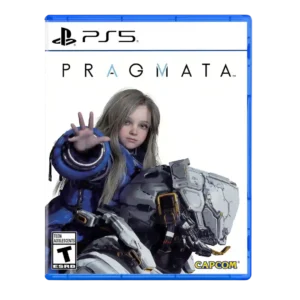
Character development centers on Hugh and Diana’s growing bond, which reviewers overwhelmingly found organic, heartfelt, and memorable.
Pros: bug frequency, user interface design
Cons: HUD clarity, mission design
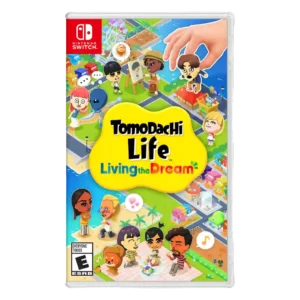
Reviewers often felt Miis became memorable through quirks, relationships, and player input, although one noted that development can be slow.
Pros: grind level, originality
Cons: social features, accessibility options
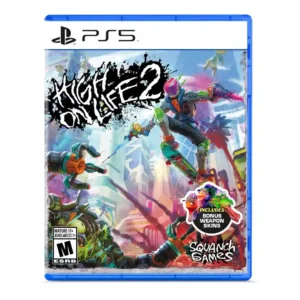
Travis, Jan, Sheath, and other Gatlians receive more satisfying arcs and relationship beats than many expected, giving the talking weapons more emotional weight.
Pros: tutorial quality, monetization fairness
Cons: polish, HUD clarity
Kratos and Deimos' evolving brotherhood is widely praised, with Kratos gradually revealing more compassion and Deimos gaining complexity as their beliefs about duty clash.
Pros: accessibility options, checkpoint system
Cons: economy and resource balance, AI behavior

The strongest arcs center on guilt, rebuilding, and whether Cascade and her former crew can move beyond past failures. These themes give the character work unusual emotional weight.
Pros: level design, world interactivity
Cons: performance optimization, menu usability
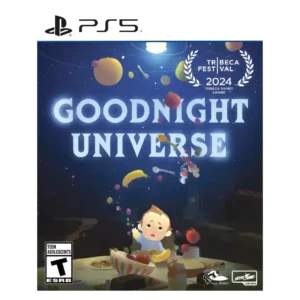
Character development was usually praised for grounded family dynamics and three-dimensional characters, though one reviewer found the cast likable but underdeveloped.
Pros: side character depth, visual effects quality
Cons: user interface design, handheld play suitability
Flashbacks give Emma and Koo’s relationship a warm, understandable foundation. Emma’s rejection by society also creates room for a stronger personal arc as the story develops.
Pros: soundtrack quality, value for money
Cons: onboarding experience, aiming precision
Character development was generally strong, with reviewers praising memorable personalities, relationship consequences, and excellent development, though one found some characters less complex.
Pros: accessibility options, protagonist appeal
Cons: frame rate stability, polish
Companions and character arcs are a relative strength when reviewers spend time with them, though the broader cast is not universally loved.
Pros: puzzle design, sound design
Cons: accessibility options, AI behavior
One review praised the base game’s characters as more fleshed out and memorable.
Pros: lore depth, art direction
Cons: mission variety, protagonist appeal

Character development was one of the strongest areas, with broad praise for the four girls, their relationships, and the adult/teen contrasts, offset by a few dissenting views.
Pros: character roster, animation quality
Cons: core gameplay loop, polish
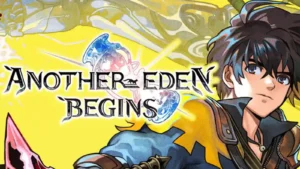
Character-focused quests do much of the heavy lifting, giving optional allies personality, history, and relationships with Aldo. The main story integrates that development unevenly, so some characters feel much stronger...
Pros: controls responsiveness, world interactivity
Cons: DLC value, platform-specific feature support

Character development is a notable strength because multiple reviewers see the origin story aligning Bond's growth with gameplay and MI6 relationships.
Pros: level design, user interface design
Cons: AI behavior, facial animations
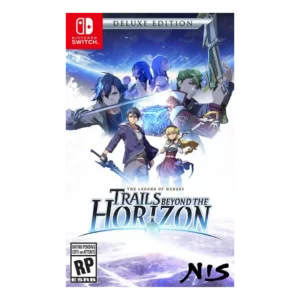
Character development was mostly praised for strong connection events and character growth, though one review felt parts of the cast had become stagnant.
Pros: facial animations, polish
Cons: grind level, stealth mechanics
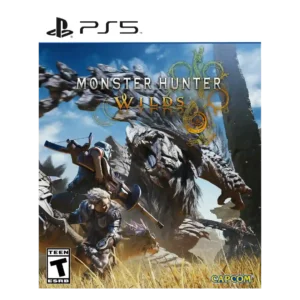
Nata's arc was generally seen as effective, with multiple reviewers calling out earned growth and stronger-than-usual character development.
Pros: art direction, cross-play support
Cons: dialogue quality, monetization fairness