
Overall: 4.8/5
Dozens of clients and mixed household workloads stayed stable, with reviewers reporting smooth service across screens, consoles, calls, and smart-home gear.
Pros: Wi-Fi 7 support, Wi-Fi speed

Overall: 4.8/5
Dozens of clients and mixed household workloads stayed stable, with reviewers reporting smooth service across screens, consoles, calls, and smart-home gear.
Pros: Wi-Fi 7 support, Wi-Fi speed
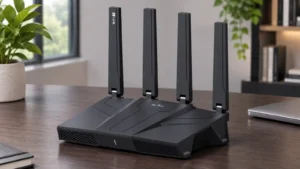
Overall: 4.2/5
Excellent speeds support multiple users performing demanding tasks simultaneously.
Pros: configuration flexibility, Overall satisfaction
Cons: Upgrade value, OpenWrt compatibility

Overall: 4.3/5
The router handles numerous active devices well, including demanding mixes of streaming, gaming and file transfers.
Pros: Wi-Fi speed, Ethernet port count
Cons: 10 GbE support, WAN port speed

Overall: 4.5/5
The router handles many simultaneous clients well in typical travel use, including family trips and multi-device work setups. Extremely high client loads can expose limits.
Pros: VPN client support, value for money
Cons: 6 GHz performance, USB storage sharing

Overall: 4.0/5
Several people can stream video, make calls and use the network at once without the system struggling in typical household scenarios.
Pros: multi-gig Ethernet support, range
Cons: dual-band support, 6 GHz performance
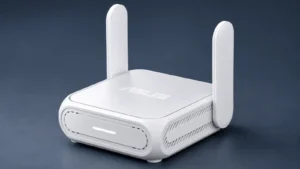
Overall: 3.9/5
Multiple devices can share a connection comfortably, including while VPN encryption is active.
Pros: size and footprint, Overall satisfaction
Cons: range, LAN port speed

Overall: 3.8/5
The router is presented as capable of sharing connectivity among many devices, although real capacity depends on traffic and the available internet source.
Pros: Internet source flexibility, Overall satisfaction
Cons: battery portability, External power dependence

Overall: 3.8/5
Several devices can share a connection, but throughput drops as client load grows and one family experienced prolonged-use failures.
Pros: size and footprint, UniFi ecosystem integration
Cons: Wi-Fi standard support, Wi-Fi speed