
Overall: 4.8/5
Connections remained consistent during testing, while MLO and heavy-use results showed a major improvement over older ISP equipment.
Pros: Wi-Fi 7 support, Wi-Fi speed

Overall: 4.8/5
Connections remained consistent during testing, while MLO and heavy-use results showed a major improvement over older ISP equipment.
Pros: Wi-Fi 7 support, Wi-Fi speed
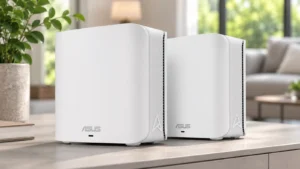
Overall: 4.0/5
Connections held reliably during stress testing and in areas that usually have weak reception.
Pros: multi-gig Ethernet support, range
Cons: dual-band support, 6 GHz performance
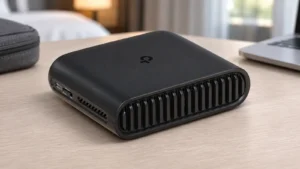
Overall: 3.8/5
Hands-on tests found dependable connectivity, including a full-day stress test without a disconnect and a week of reliable operation.
Pros: Internet source flexibility, Overall satisfaction
Cons: battery portability, External power dependence

Overall: 4.5/5
Reliability is generally excellent, including a three-day stress test with no disconnects and many successful travel deployments. A few firmware/WISP quirks exist, but core connections are usually dependable.
Pros: VPN client support, value for money
Cons: 6 GHz performance, USB storage sharing
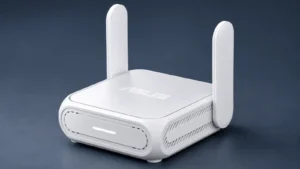
Overall: 3.9/5
Connections were dependable after configuration, including during extended stress tests and mobile tethering.
Pros: size and footprint, Overall satisfaction
Cons: range, LAN port speed
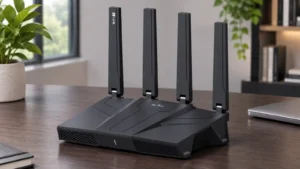
Overall: 4.2/5
Connections were stable for common online tasks, with one multi-floor test reporting particularly reliable connectivity.
Pros: configuration flexibility, Overall satisfaction
Cons: Upgrade value, OpenWrt compatibility
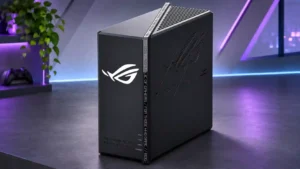
Overall: 4.3/5
Connections generally remain reliable during gaming and streaming, but some users encountered crashes and dropouts.
Pros: Wi-Fi speed, Ethernet port count
Cons: 10 GbE support, WAN port speed

Overall: 3.8/5
Several travelers experienced dependable connections once online, while others encountered disconnections or failures during prolonged use.
Pros: size and footprint, UniFi ecosystem integration
Cons: Wi-Fi standard support, Wi-Fi speed