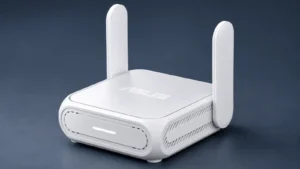
Overall: 3.9/5
The 5 GHz radio is a strength, delivering good throughput at both six and 25 feet relative to its TP-Link counterpart.
Pros: size and footprint, Overall satisfaction
Cons: range, LAN port speed

Overall: 3.9/5
The 5 GHz radio is a strength, delivering good throughput at both six and 25 feet relative to its TP-Link counterpart.
Pros: size and footprint, Overall satisfaction
Cons: range, LAN port speed

Overall: 4.0/5
The 5 GHz band delivers particularly strong speed and range.
Pros: multi-gig Ethernet support, range
Cons: dual-band support, 6 GHz performance

Overall: 4.8/5
The legacy-device network, which includes 5GHz, delivered the full broadband rate both nearby and in the rear office.
Pros: Wi-Fi 7 support, Wi-Fi speed

Overall: 4.5/5
The 5GHz band is the Slate 7’s wireless sweet spot, with strong real-world throughput and good stability at practical travel distances. Several tests reached gigabit-class speeds or better nearby.
Pros: VPN client support, value for money
Cons: 6 GHz performance, USB storage sharing
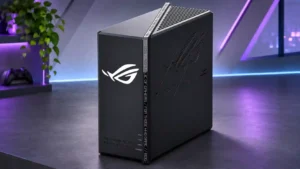
Overall: 4.3/5
5GHz performance is generally strong, outperforming some pricier ASUS hardware in testing.
Pros: Wi-Fi speed, Ethernet port count
Cons: 10 GbE support, WAN port speed
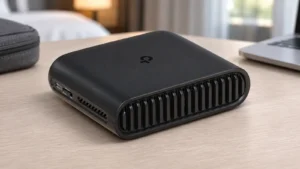
Overall: 3.8/5
The 5 GHz band provides a stronger nearby signal in the tested portable networking setup.
Pros: Internet source flexibility, Overall satisfaction
Cons: battery portability, External power dependence
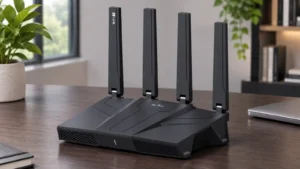
Overall: 4.2/5
The 5GHz band can deliver over gigabit speeds in favorable conditions, but the previous router has greater rated bandwidth and better long-range performance on this band.
Pros: configuration flexibility, Overall satisfaction
Cons: Upgrade value, OpenWrt compatibility

Overall: 3.8/5
5 GHz throughput can be well below expectations, and one traveler lost that band after hours of use.
Pros: size and footprint, UniFi ecosystem integration
Cons: Wi-Fi standard support, Wi-Fi speed