
User interface design was praised for the helpful layer checklist that makes collectible tracking easier.
Pros: fun factor, world interactivity
Cons: frame rate stability, boss design

User interface design was praised for the helpful layer checklist that makes collectible tracking easier.
Pros: fun factor, world interactivity
Cons: frame rate stability, boss design

The interface receives praise for carrying the art direction into menus and buttons, putting Supergiant near the top of UI craft.
Pros: combat system, progression system
Cons: originality

One reviewer praised the presentation, menus, UI, unlocks, sound, and graphics as beautiful.
Pros: battle mode quality, content variety
Cons: learning curve, competitive balance
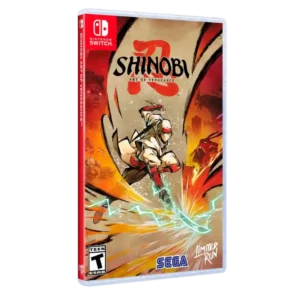
User interface design receives praise for being clean and easy to navigate.
Pros: combat system, faithfulness to franchise
Cons: narrative quality, frame rate stability
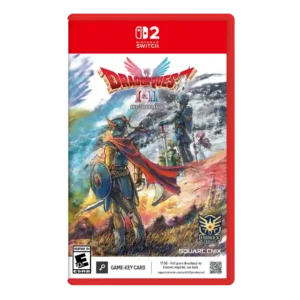
Interface changes, shortcut assignments, and UI overhaul were praised for making these old games easier to play.
Pros: remake/remaster quality, combat system
Cons: difficulty balance, grind level
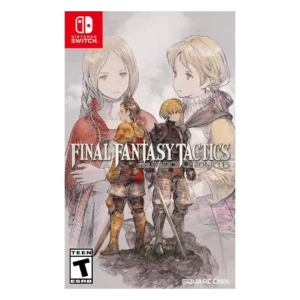
User interface design was one of the clearest improvements, bringing more information forward and modernizing menus.
Pros: remake/remaster quality, voice acting
Cons: content variety, camera behavior

UI feedback was positive when reviewers discussed improved, adaptable, or visually polished interface presentation.
Pros: combat system, narrative quality
Cons: save system reliability, learning curve

User interface design is praised for thoughtful fictional UI and a radial menu that makes road management easier.
Pros: narrative quality, combat system
Cons: difficulty balance, weapon balance
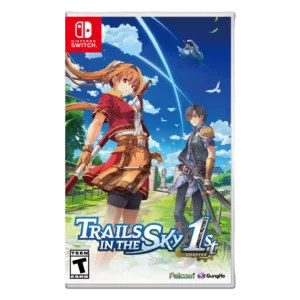
User interface design was praised for easy navigation and a modern UI, though evidence was limited.
Pros: remake/remaster quality, combat system
Cons: content variety

The user interface is praised as sleek and easy to enter from the outset.
Pros: content variety, value for money
Cons: cross-play support, competitive balance

The customization interface is praised for letting players place and manage island objects quickly and efficiently.
Pros: core gameplay loop, narrative quality
Cons: crafting system, multiplayer design

User interface design has limited positive evidence around attractive mission HUD illustrations and attention to detail.
Pros: difficulty balance, art direction
Cons: economy and resource balance, checkpoint system

User interface design was mixed, with praise for faithful Zelda-style menus but other reviews criticizing map/interface clutter.
Pros: combat system, character roster
Cons: level design, mission design
User interface design earns praise for an encyclopedia that explains abilities and systems.
Pros: combat system, boss design
Cons: narrative quality, difficulty balance

User interface design was praised for simple navigation and a fitting aesthetic touch.
Pros: soundtrack quality, narrative quality
Cons: combat system, enemy variety
UI design was mostly praised as clean, tactile, and not intrusive, with some interface quirks noted.
Pros: narrative quality, replay value
Cons: difficulty balance, pacing
UI design was polarized: some reviewers called it clean and easy, while another strongly criticized clutter and constant pop-ups.
Pros: progression system, narrative quality
Cons: pacing, content variety
User interface design was considered streamlined in inventory and improved through later UI updates.
Pros: co-op experience, fun factor
Cons: difficulty balance, social features

UI options such as text sizing and subtitles were appreciated as useful interface support.
Pros: combat system, narrative quality
Cons: difficulty balance, enemy variety

The interface has useful touches, such as clear ammunition information, but it also inherits glitches and awkward presentation from the game’s broader technical roughness. Usability is functional rather than consistently...
Pros: immersion, fun factor
Cons: bug frequency, AI behavior

The interface is cleaner and more usable for some reviewers, while others still find portions dated or awkward, particularly settings buried too deeply in menus.
Pros: combat system, remake/remaster quality
Cons: animation quality, environmental detail

Clear weapon information, unlock goals, collectible tracking, and notification clearing help usability. Busy layouts, reused presentation, and small text remain points of criticism.
Pros: overall quality, level design
Cons: innovation, mission design

The interface earns praise for sharp presentation and convenient challenge tracking. Ranking requirements and stage-completion markers are less clear to some players.
Pros: overall quality, difficulty balance
Cons: frame rate stability, performance optimization
The interface is clearer and more modern in places, yet scaling and consistency remain uneven. Small text, mixed legacy elements, and awkward transitions are especially noticeable on larger displays.
Pros: fun factor, remake/remaster quality
Cons: graphics quality, soundtrack quality

UI evidence is mixed: restrained maps and menus are praised, but one reviewer reports low-contrast text and hard-to-see map elements.
Pros: combat system, narrative quality
Cons: grind level, innovation

The interface draws mixed reactions: colorful menus and live match feeds are useful, but some players think the overall presentation has not evolved enough for a modern fighter.
Pros: remake/remaster quality, combat system
Cons: content variety, character customization
User interface design was mostly fine but received a handheld-specific caveat around small text and lack of font scaling.
Pros: combat system, replay value
Cons: narrative quality, grind level
The interface can be clean and accessible once learned, but opinions split sharply over confusing tabs, dense screens, and console-oriented navigation.
Pros: fun factor, graphics quality
Cons: learning curve, bug frequency
Character-specific meters, optional sharper text, and detailed stats earn praise. Town building is less consistent: identifying structures and repeatedly moving them can be cumbersome.
Pros: fun factor, upgrade system
Cons: user interface design, grind level

Interface design was split between a UI that stayed out of the way and a cluttered UI complaint.
Pros: combat system, progression system
Cons: pacing, AI behavior

UI opinions are sharply split. Nested tooltips and organization can make huge amounts of data manageable, but dense screens, unclear actions, overlapping text, and readability problems remain common complaints.
Pros: gameplay mechanics, fun factor
Cons: learning curve, AI behavior
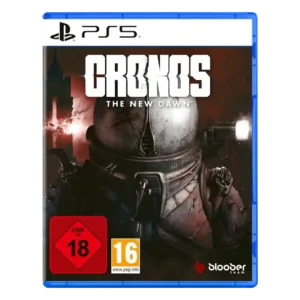
User interface and inventory usability drew mixed evidence, with some one-button convenience but repeated irritation around inventory management and reloading.
Pros: combat system, narrative quality
Cons: boss design, puzzle design

User interface design is divisive: some like the comic-book styling, while others criticize small text, weak UI, or barebones menus.
Pros: content variety, gameplay mechanics
Cons: learning curve, user interface design
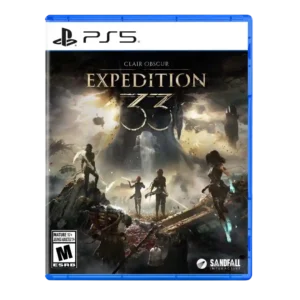
The user interface drew criticism for clutter and painful Picto/menu navigation despite stylish presentation.
Pros: narrative quality, combat system
Cons: map and navigation design, menu usability
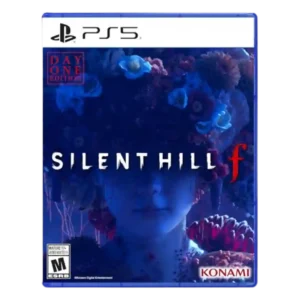
User interface design was split between praise for the journal’s care and criticism of poor organization in notes and collectibles.
Pros: puzzle design, narrative quality
Cons: combat system, enemy variety
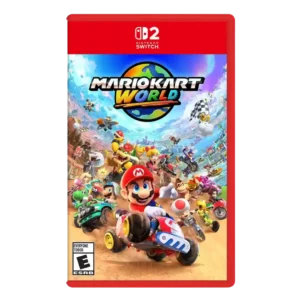
User interface design was mixed-to-negative, with complaints about missed music selection and underdeveloped online feature presentation.
Pros: content variety, soundtrack quality
Cons: open-world design, exploration quality

Inventory UI was criticized for lacking search and customization even though basic grouping exists.
Pros: sound design, combat system
Cons: voice acting, menu usability

User interface design had limited negative evidence, with one reviewer saying full-screen menus broke immersion.
Pros: narrative quality, exploration quality
Cons: combat system, AI behavior

The Switch 2 interface can look noticeably blurry on 1440p or 4K displays because some 2D assets are not rendered at native resolution. It is a visual blemish rather than...
Pros: narrative quality, combat system
Cons: onboarding experience, difficulty balance

User interface design is one of the clearest pain points, criticized as poorly conceived, flat, slow, or a step backward despite one positive UI comparison note.
Pros: movement feel, loot system
Cons: performance optimization, narrative quality
Interface clarity was criticized where the game's visual language made interactable options or progress less obvious.
Pros: co-op experience, puzzle design
Cons: controls responsiveness, replay value

The redesigned UI is the clearest weakness, repeatedly described as clunky, unintuitive, slow or overly console-oriented. A minority appreciate its cleaner look or adapt to it, but the new layout...
Pros: gameplay mechanics, animation quality
Cons: user interface design, bug frequency

UI design was a common complaint, especially streaming-app-style menus and loadout screens.
Pros: multiplayer design, sound design
Cons: narrative quality, map and navigation design

The user interface is a recurring gameplay complaint, especially on controllers. Reviewers describe selecting map icons as fiddly or confusing when several timed calls overlap.
Pros: choice impact, narrative quality
Cons: gameplay mechanics, QTE design

The default Zombies interface is considered visually uninteresting and too close to the information-heavy Call of Duty HUD style that some players want to escape.
Pros: multiplayer design, level design
Cons: fun factor, narrative quality
User interface design had a negative console/set-piece example where cursor text highlighting bogged down the experience.
Pros: narrative quality, emotional impact
Cons: controls responsiveness, platform-specific feature support

User interface design was criticized where radial menus felt unresponsive and UI friction recurred during repeated hunt cycles.
Pros: combat system, narrative quality
Cons: difficulty balance, endgame content

User interface design drew criticism where feedback during combat was hard to parse.
Pros: combat system, exploration quality
Cons: graphics quality, voice acting

The interface is the most consistent criticism. Menus, inventory icons, loot management, and information density are stylish but frequently described as cluttered, confusing, or unnecessarily hard to use.
Pros: fun factor, loot system
Cons: difficulty balance, quest design
The user interface was the most repeated complaint, often described as inadequate, ugly, missing information, or confusing even when later improved.
Pros: fun factor, economy and resource balance
Cons: progression system, user interface design