#1

One reviewer sees the starting-class stat spreads as useful for min-maxing, while also flagging the possibility that certain new gear could be unusually strong in PvP.
Pros: performance optimization, frame rate stability
Cons: controller ergonomics, platform-specific feature support
#2

Support and expert badges help groups with mixed skill levels compete more comfortably. Reviewers like that stronger and weaker players can adjust difficulty without changing the basic attraction rules.
Pros: fun factor, multiplayer design
Cons: matchmaking quality, map and navigation design
#3

Class restrictions can push players to experiment with different cars and keep events feeling different, though the broader class-balance picture is not heavily discussed.
Pros: fun factor, open-world design
Cons: collectibles, originality
#4

The revised stamina and reversal systems create a useful skill gap and reward more deliberate play instead of constant move or counter spam.
Pros: fun factor, gameplay mechanics
Cons: grind level, value for money
#5

Defense now has more influence and creates a healthier offense-defense balance on the court. Online balance is less convincing when paid upgrades, meta builds, or overtuned systems enter the picture.
Pros: gameplay mechanics, fun factor
Cons: microtransaction impact, animation quality
#6

Balance is one of the more debated areas. Many reviewers praise counterable Fever Shots and character-racket tradeoffs, but others identify stronger rackets, exploitable characters, or luckier doubles situations that can...
Pros: fun factor, gameplay mechanics
Cons: tutorial quality, onboarding experience
#7
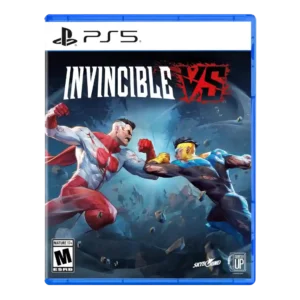
Competitive balance was the most contested area, praised for counterplay and anti-infinite systems but criticized for safe armored moves, breakers, and beta exploits.
Pros: fun factor, combat system
Cons: learning curve, competitive balance
#8
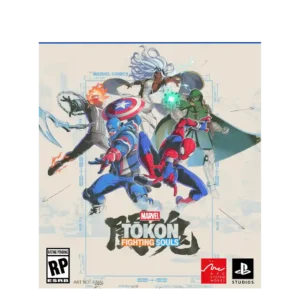
Competitive balance is mixed: skill matching was poor, but beta character viability seemed generally healthy aside from strong outliers.
Pros: fun factor, character roster
Cons: tutorial quality, competitive balance
#9
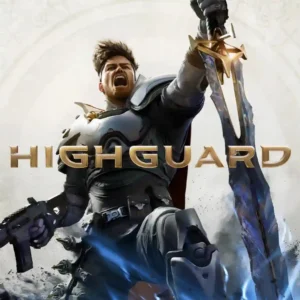
Competitive fairness is uneven. Some design choices feel well balanced, but the lack of skill-based matchmaking can produce harsh steamrolls.
Pros: fun factor, combat system
Cons: originality, battle mode quality
#10

Competitive balance is mixed: some reviews cite uneven races or suspicious AI, while spec racing and class systems are viewed positively.
Pros: graphics quality, driving mechanics
Cons: world interactivity, AI behavior
#11

Balance is highly context-dependent: some groups find both sides viable, while others see coordinated civilians bullying Michael or Michael feeling oppressive against less organized teams.
Pros: fun factor, multiplayer design
Cons: bug frequency, AI behavior
#12
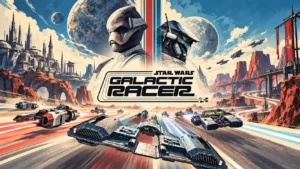
Online and campaign builds can tilt toward cooling, boost resets, or powerful autopilot combinations. Some find the competition fair and experimentation viable, but others see dominant upgrades that need balancing.
Pros: fun factor, overall quality
Cons: difficulty balance, pacing
#13

Balance changes help curb some spam and improve offense-versus-defense play, but pay-to-win progression and persistent high-percentage exploits can still undermine fair competition.
Pros: atmosphere, gameplay mechanics
Cons: AI behavior, commentary quality
#14

Manual defending increases the skill gap, but competitive balance is one of the shakier areas. Pace-heavy attackers, stat boosts, set-piece metas, and uneven goalkeeping or scoring options are repeated concerns.
Pros: gameplay mechanics, progression system
Cons: open-world design, AI behavior
#15
AI-controlled Nagash can become disproportionately dominant in his region, wiping out nearby factions early and narrowing who remains to fight later.
Pros: gameplay mechanics, fun factor
Cons: AI behavior, polish
#16

Beta paid progression raised serious PvP fairness concerns because a raw stat advantage could meaningfully shrink the skill gap.
Pros: fun factor, gameplay mechanics
Cons: monetization fairness, menu usability
