Best for variable refresh rate
TCL QM7L
5.0 attribute score
Highest scored product for this attribute based on supporting review evidence.

Highest scored product for this attribute based on supporting review evidence.
Balances the attribute score, supporting reviews, and overall product strength.
Has the broadest review evidence for this attribute.
Strongest overall product among items with scored evidence for this attribute.
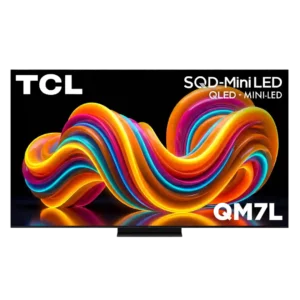
Overall: 3.9/5
VRR works effectively across consoles and prevents visible tearing during supported gameplay.
Pros: peak brightness, picture quality
Cons: color accuracy, viewing angles

Overall: 3.8/5
VRR works smoothly across compatible sources and helps avoid tearing even through sharp frame-rate drops.
Pros: picture quality, overall satisfaction
Cons: color crosstalk, value for money
Overall: 3.4/5
Wide VRR format and range compatibility keep games nearly tear-free as frame rates fluctuate, especially on the full-speed inputs.
Pros: picture quality, value for money
Cons: viewing angles, HDR performance
Overall: 4.0/5
VRR and FreeSync are valuable additions for tear-free gaming, with generally broad compatibility and consistency.
Pros: color accuracy, picture quality
Cons: HDR brightness, peak brightness
Overall: 4.1/5
VRR helps prevent tearing and improves compatibility with modern gaming hardware.
Pros: value for money, overall satisfaction
Cons: HDR brightness
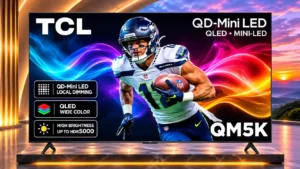
Overall: 3.6/5
VRR reduces screen tearing, especially at 1080p and 1440p, but the narrow 4K range limits how well it handles drops in frame rate.
Pros: black levels, picture quality
Cons: HDR performance, blooming control
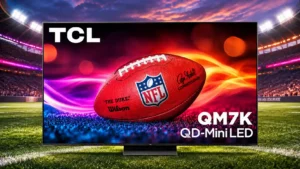
Overall: 3.9/5
VRR helps keep games smooth as frame rates vary, although motion quality remains dependent on pixel response.
Pros: peak brightness, value for money
Cons: reflection handling, glare resistance
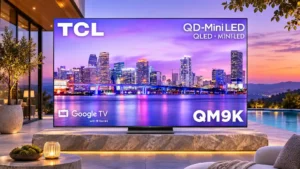
Overall: 3.9/5
VRR works well on most modern gaming devices, but there are reports of tearing with particular PC settings and high-motion gameplay.
Pros: peak brightness, overall satisfaction
Cons: value for money, shadow detail
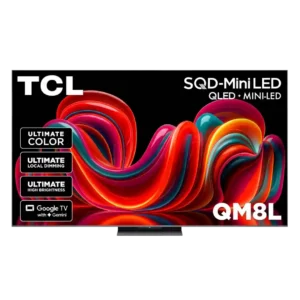
Overall: 4.4/5
VRR generally keeps gameplay fluid, but isolated flicker was observed in at least one demanding title. Most compatible games should still benefit.
Pros: picture quality, value for money
Cons: stand quality, judder handling
Overall: 4.1/5
VRR works well for consoles and AMD graphics and reduces tearing at low frame rates. NVIDIA systems locked to 60Hz remain a specific exception.
Pros: picture quality, black levels
Cons: viewing angles, motion clarity
Overall: 4.0/5
VRR works well with consoles and AMD hardware, including low frame rates, but NVIDIA systems can tear in a locked 60Hz mode.
Pros: peak brightness, picture quality
Cons: HDMI 2.1 port count, reflection handling
Overall: 4.0/5
Variable refresh works well for many consoles and AMD sources, but one test finds tearing with 60Hz signal output.
Pros: peak brightness, blooming control
Cons: value for money, motion clarity