Best for variable refresh rate
Sony Bravia 9 II
5.0 attribute score
Highest scored product for this attribute based on supporting review evidence.

Highest scored product for this attribute based on supporting review evidence.
Balances the attribute score, supporting reviews, and overall product strength.
Has the broadest review evidence for this attribute.
Strongest overall product among items with scored evidence for this attribute.
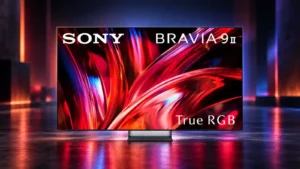
Overall: 4.3/5
VRR works well alongside 4K/120Hz and helps keep fast console gaming smooth.
Pros: overall satisfaction, overall image accuracy
Cons: value for money, bass performance
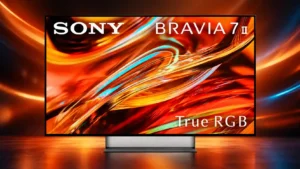
Overall: 4.2/5
VRR works reliably across console and PC use, with HDMI VRR and G-SYNC helping smooth frame-rate changes.
Pros: overall satisfaction, picture quality
Cons: HDMI 2.1 port count, reflection handling
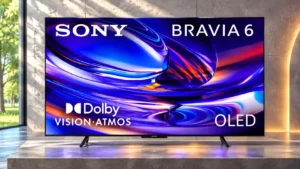
Overall: 3.8/5
VRR keeps compatible games nearly free of tearing even during frame-rate fluctuations. Older AMD cards without supported VRR technology are a notable exception.
Pros: HDMI 2.1 port count, Video input versatility
Cons: value for money, overall satisfaction

Overall: 4.0/5
VRR helps keep supported console games smooth and nearly tear-free, within the TV's 120Hz ceiling.
Pros: picture quality, black levels
Cons: HDR brightness, value for money
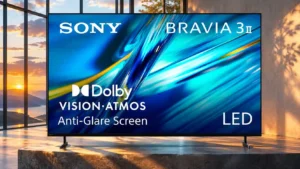
Overall: 3.8/5
VRR helps match the screen to changing console and PC frame rates, reducing tears without sacrificing 120Hz input support.
Pros: HDMI 2.1 port count, overall satisfaction
Cons: HDR performance, bass performance

Overall: 3.9/5
VRR can deliver very smooth console gameplay, but the 120Hz cap and lack of low-frame-rate VRR below 60Hz limit flexibility for PC use.
Pros: gaming performance, peak brightness
Cons: HDMI 2.1 support, HDMI 2.1 port count
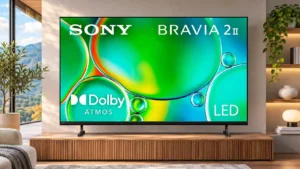
Overall: 3.6/5
Missing VRR is a clear drawback for gamers seeking smooth response to fluctuating frame rates, even if basic 60 fps titles play fine.
Pros: picture quality, overall satisfaction
Cons: sound quality, reliability