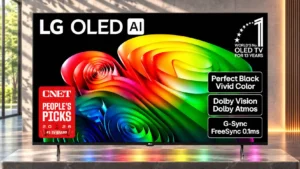
Overall: 3.8/5
Support for both major VRR ecosystems helps minimize tearing and smooths variable frame rates.
Pros: value for money, peak brightness
Cons: color accuracy, stand quality

Overall: 3.8/5
Support for both major VRR ecosystems helps minimize tearing and smooths variable frame rates.
Pros: value for money, peak brightness
Cons: color accuracy, stand quality

Overall: 4.4/5
FreeSync, G-Sync, and HDMI VRR work smoothly up to very high frame rates, with only the usual OLED flicker possible in some static game scenes.
Pros: picture quality, peak brightness
Cons: value for money, sound quality
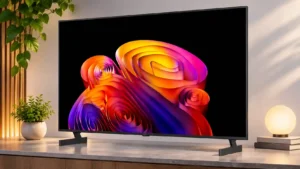
Overall: 4.0/5
VRR works across a broad span of refresh rates and helps gameplay stay smooth and tear-free.
Pros: contrast ratio, black levels
Cons: reflection handling, color accuracy

Overall: 4.1/5
HDMI VRR, FreeSync, and G-SYNC support keep gameplay smooth and largely tear-free. Occasional flicker was reported in demanding PC use.
Pros: picture quality, gaming performance
Cons: value for money, sound quality
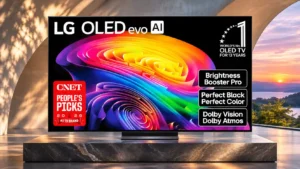
Overall: 4.1/5
FreeSync, G-SYNC and HDMI VRR largely keep gameplay tear-free, with occasional dark-scene flicker or raised blacks.
Pros: gaming performance, HDR brightness
Cons: reflection handling, glare resistance
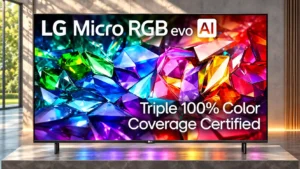
Overall: 4.0/5
VRR compatibility is extensive for consoles, but one PC tester experienced flickering and rainbow artifacts with a boosted setting.
Pros: peak brightness, picture quality
Cons: value for money, viewing angles
Overall: 3.1/5
VRR helps when frame rates vary slightly, but tearing can return in busier moments because its working range is narrow.
Pros: design and appearance, maximum volume
Cons: picture quality, value for money
Overall: 3.4/5
VRR exists and can tame tearing within its supported range, but it stops helping when frame rates dip too low.
Pros: picture quality, color accuracy
Cons: remote control quality, black levels