#1

Overall: 4.5/5
Conversation is one of the show’s pleasures, from dry exchanges and barroom humor to quieter discussions of honor and class. Small talk often carries more personality than exposition.
Pros: story quality, entertainment value
Cons: violence level, editing quality
#2

Overall: 4.6/5
Dialogue remains quick, witty and rooted in the characters’ comic voices. The final joke-writing exchange is repeatedly treated as a strong reminder of what makes Deborah and Ava work.
Pros: humor, finale satisfaction
Cons: realism, season pacing
#3
Overall: 4.3/5
Hushed conversations, sharp dialogue and loaded office exchanges do much of the dramatic work. The dense talking can feel demanding rather than lively for some.
Pros: acting performance, story quality
Cons: originality, episode pacing
#4

Overall: 4.1/5
Cutting one-liners and pointed exchanges between the girls bring wit and credibility to the heightened school drama.
Pros: theme depth, acting performance
Cons: season pacing, ending satisfaction
#5

Overall: 4.4/5
Sharp dialogue and careful wordplay are singled out, with jokes landing through punch lines, rhythm, and character-specific verbal habits.
Pros: humor, cast chemistry
Cons: season length, season pacing
#6

Overall: 4.3/5
Reviewers praise sharper, more confident dialogue and especially Chad’s unpredictable lines, which keep the comedy surprising rather than purely dependent on the disguise.
Pros: humor, character development
Cons: season length, writing quality
#7

Overall: 4.8/5
The dialogue stands out for its easy flow, overlapping banter, awkward asides and sharp cringe-comedy rhythm.
Pros: humor, writing quality
#8

Overall: 4.1/5
The strongest dialogue is poetic, emotionally precise, and capable of carrying large ideas without always turning into a lecture. The Lee-Hamilton conversations and Charles’s letter are recurring highlights.
Pros: main cast performance, story quality
Cons: character balance, episode pacing
#9

Overall: 4.6/5
The quick, acerbic dialogue remains a standout, with razor-sharp exchanges and dry wit surviving the season’s darker turn. Reviewers especially praised how the banter keeps tension from becoming monotonous.
Pros: main cast performance, humor
Cons: plot originality
#10

Overall: 4.8/5
The lines favor clipped, deadpan reactions and sharply delivered character humor over broad gag sequences.
Pros: humor, genre satisfaction
Cons: ending satisfaction, season pacing
#11

Overall: 4.6/5
Sharp lines, witty banter, and precise comic phrasing are repeatedly singled out as part of the show’s appeal.
Pros: theme depth, humor
Cons: character consistency
#12

Overall: 4.3/5
The sharpest dialogue is praised for giving the women’s-rights material extra bite and depth.
Pros: character development, story quality
Cons: character balance, episode pacing
#13

Overall: 3.9/5
One review singled out the slick dialogue as part of what makes the morally complicated ensemble feel convincing.
Pros: theme depth, story quality
Cons: season pacing, writing quality
#14

Overall: 4.4/5
The dialogue was praised as realistic and punchy, helping the show move between family conflict, humor, and class commentary.
Pros: audience appeal, character development
Cons: season pacing, season length
#15

Overall: 4.4/5
McGee's rapid-fire dialogue is a major strength: sharp, profane, layered, and often devastatingly funny in the same breath. Its speed can demand concentration, but reviewers repeatedly say the banter crackles.
Pros: humor, story quality
Cons: plot clarity, season length
#16

Overall: 4.3/5
Fast, sharp, witty dialogue is one of the most consistent strengths. The legal exchanges, insults, and class satire give the series much of its energy even when other elements divide...
Pros: acting quality, entertainment value
Cons: finale satisfaction, realism
#17

Overall: 4.1/5
The dialogue is consistently witty, cheeky, and packed with knowingly outrageous period jokes.
Pros: character development, entertainment value
Cons: sexual content level, plot clarity
#18

Overall: 4.5/5
Singing dialogue, sarcastic retorts, and recurring verbal jokes make conversations a major source of pleasure.
Pros: acting performance, main cast performance
Cons: character screen time
#19

Overall: 4.3/5
The dialogue is a defining pleasure: fast, layered exchanges can function as policy debate, marital argument, and a test of loyalty at once.
Pros: Family relationships, romance quality
Cons: realism, character screen time
#20

Overall: 4.3/5
Dry exchanges, sharp one-liners and mundane arguments under fire keep the dialogue lively. The banter repeatedly turns violent situations into memorable comedy.
Pros: humor, character development
Cons: realism, character screen time
#21

Overall: 4.6/5
Dialogue is praised for balancing flinty humor, intimacy, and difficult conversations about abuse. Alice and Danny's exchanges and Alice-Nora conversations are particular highlights.
Pros: main cast performance, character development
Cons: pilot episode quality
#22

Overall: 3.9/5
The leads’ lively, sometimes spontaneous-feeling banter is a recurring strength. Their exchanges can also carry real consideration and emotion beyond the jokes.
Pros: cast chemistry, renewal interest
Cons: story quality, character screen time
#23

Overall: 4.1/5
Actorly conversations and Trevor's monologues give the dialogue warmth and purpose, with Kingsley's line delivery frequently singled out.
Pros: entertainment value, humor
Cons: critic appeal, villain quality
#24

Overall: 4.5/5
Natural teen dialogue is one of the strongest areas of agreement, with praise for overlapping speech, filler words, humor, and current vernacular. A handful of critics found some lines stilted,...
Pros: dialogue quality, theme depth
Cons: character balance, sexual content level
#25
Overall: 4.3/5
Barbed one-liners and theatrical exchanges are recurring pleasures. The main complaint is romantic evasiveness, when characters skirt the very things they need to say.
Pros: entertainment value, character development
Cons: romance quality, ensemble balance
#26

Overall: 4.1/5
The strongest dialogue mixes intimate conversation with showy monologues. Reviewers praised convincing exchanges and standout speeches, though some of the sci-fi explanation can become harder to follow.
Pros: story quality, emotional impact
Cons: plot clarity, season pacing
#27

Overall: 4.4/5
Repeated household jokes and pointedly absurd exchanges are praised for turning small domestic details into effective punchlines.
Pros: humor, story quality
Cons: character consistency, ensemble balance
#28

Overall: 3.8/5
Sharp, sardonic lines remain a pleasure, balancing menace and absurdity with the show's distinctive voice.
Pros: setting shift execution, character development
Cons: Adult timeline storytelling, story quality
#29
Overall: 4.5/5
Sharp, affectionate dialogue lets simple classroom problems become entertaining character exchanges. The jokes tend to come from personality rather than insults at students' expense.
Pros: character development, humor
Cons: character screen time
#30

Overall: 4.3/5
The updated quips fit neatly beside classic mystery conventions, helping the contemporary setting feel playful rather than forced.
Pros: modernization quality, cast chemistry
Cons: story quality
#31
Overall: 3.8/5
Sibling dialogue combines quarrels with underlying care. Their exchanges help them feel like real family rather than devices for moving the plot.
Pros: suspense, entertainment value
Cons: CGI quality, character development
#32

Overall: 4.3/5
The dialogue-heavy ACL episode is praised for turning insular bickering, movie-watching rules, and recurring sarcasm into a particularly funny set piece.
Pros: humor, story quality
Cons: plot originality
#33

Overall: 3.6/5
The script’s antagonistic exchanges and character banter can be lively and fun, particularly when Hal, John, and Kerry are sparring.
Pros: character development, cast chemistry
Cons: faithfulness to source material, story quality
#34

Overall: 3.4/5
The team-clique banter lands well when the show keeps conversations compact, playful, and rooted in character.
Pros: humor, sports storyline quality
Cons: story quality, character development
#35

Overall: 4.4/5
Dialogue is usually praised for its comic-book conviction, punchy exchanges, and emotional lines, though some repetition and corniness are noted.
Pros: story quality, action quality
Cons: season pacing, season length
#36

Overall: 3.5/5
The dialogue quality is a recurring strength, helping the series land its most effective moments.
Pros: entertainment value, story quality
Cons: theme depth, genre satisfaction
#37

Overall: 4.1/5
At its best, the dialogue crackles with sharp insults, workplace banter, and quick pop-culture references. Some topical jokes already feel dated, while a few exaggerated exchanges come across as forced.
Pros: main cast performance, supporting cast performance
Cons: season pacing, episode structure
#38

Overall: 4.0/5
Rudy and Deck’s comic banter has improved, while Bruiser’s practical advice and Megan’s cutting lines stand out. The verbal sparring often supplies the episode’s liveliest moments.
Pros: acting performance, character development
Cons: ensemble balance, originality
#39

Overall: 3.8/5
Bettany and Spader’s verbal exchanges and reworked philosophical lines are frequent highlights. Some find the AI conversations overlong or too ornate to carry their intended emotional weight.
Pros: humor, supporting cast performance
Cons: originality, season pacing
#40

Overall: 4.3/5
The language often lands as sharp, witty, authentic, and restrained, but one episode review criticizes moments that over-explain characters instead of trusting the subtext.
Pros: main cast performance, entertainment value
Cons: plot originality, sexual content level
#41

Overall: 3.7/5
Snappy banter and conversational exchanges remain a substantial draw, especially between Morgan and Sasha. The strongest criticism finds the fashionable slang artificial and too young for the characters.
Pros: romance quality, cast chemistry
Cons: character appeal, writing quality
#42
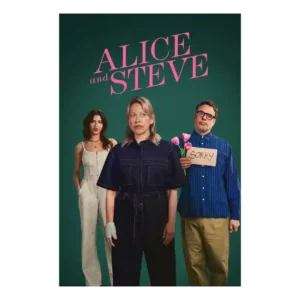
Overall: 3.7/5
The dialogue has a sharp, comic edge when the show leans into banter, zingers, and awkward social collisions. Even mixed takes often singled out the writing’s individual lines and exchanges...
Pros: humor, main cast performance
Cons: age appropriateness, story quality
#43

Overall: 4.3/5
The dialogue is one of the show’s most divisive signatures. Many critics love its repetitive, awkward, precisely observed cadence, while a strong detractor calls it reliably terrible.
Pros: main cast performance, humor
Cons: genre satisfaction, episode pacing
#44
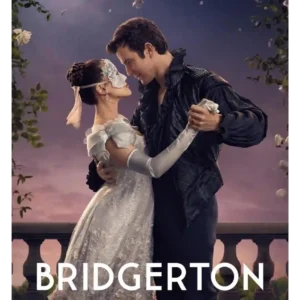
Overall: 3.9/5
Banter and romantic declarations often work well, while clunky exposition and occasional soapier dialogue draw criticism.
Pros: entertainment value, story quality
Cons: plot originality, writing quality
#45

Overall: 3.8/5
Sharp line readings and snappy exchanges help the best supporting characters stand out. Not all the dialogue reaches that standard: the interns can receive corny or overly explanatory lines.
Pros: humor, franchise connection
Cons: character development, character balance
#46

Overall: 4.3/5
The banter and heckling produce several sharp laughs, but some reviewers find individual lines, especially a few Statler-and-Waldorf or Piggy exchanges, underpolished.
Pros: humor, entertainment value
Cons: main cast performance, character balance
#47

Overall: 3.8/5
Some praise the exchanges as natural and enjoy familiar movie lines finding meaningful new contexts. Another view is that the seminar speeches spell out ideas the performances already communicate.
Pros: acting performance, main cast performance
Cons: lore depth, season pacing
#48

Overall: 3.8/5
At its best, the dialogue is sharp, funny and natural, with clever banter carrying character scenes. Other reviewers find the banter too chatty or stale when jokes crowd out emotion.
Pros: entertainment value, humor
Cons: story quality, modern political framing
#49

Overall: 3.6/5
Smart jokes and well-delivered one-liners provide reliable bright spots, even when the overall comedy feels modest.
Pros: entertainment value, main cast performance
Cons: humor, character development
#50

Overall: 4.5/5
The strongest responses call the dialogue realistic and human, especially around grief and family conflict. One critic found it too close to sentimental or unnatural.
Pros: entertainment value, renewal interest
Cons: age appropriateness, character consistency
