
Individual hauntings function as miniature horror stories while feeding a serialized mystery, providing variety rather than a stretched-out movie.
Pros: humor, genre satisfaction
Cons: ending satisfaction, season pacing

Individual hauntings function as miniature horror stories while feeding a serialized mystery, providing variety rather than a stretched-out movie.
Pros: humor, genre satisfaction
Cons: ending satisfaction, season pacing

The real-time structure remains one of the show’s biggest strengths. Reviewers say it feels clever, immediate, and like proper episodic TV rather than a gimmick.
Pros: realism, emotional impact

Standout episodes are praised for strong construction, especially the farcical Montecito story that pairs classic misunderstandings with deeper emotional stakes.
Pros: humor, finale satisfaction
Cons: realism, season pacing
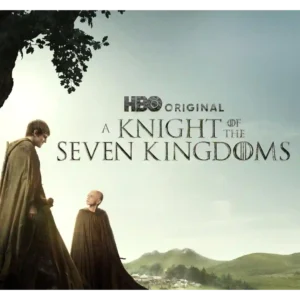
The six chapters feel like actual television episodes rather than a movie chopped into pieces. Each installment has its own shape while advancing the compact season arc.
Pros: story quality, entertainment value
Cons: violence level, editing quality

Distinct episodes build a serialized mystery while retaining their own shape. Nisha’s perspective on the premiere is especially praised as an efficient introduction rather than a repetitive recap.
Pros: visual style, suspense
Cons: episode pacing, season pacing

Flashbacks and episode construction are repeatedly praised for moving stories forward and revealing character history at the right moments, especially in the phishing story and finale.
Pros: franchise connection, character development

The season is often praised for low filler and strong end hooks, making each episode feel purposeful and designed to propel the mystery forward.
Pros: entertainment value, story quality
Cons: plot clarity, finale satisfaction
Individual episode structure is praised when the series uses devices such as the time jump or slower breathing room to develop fallout, character, and stakes without losing momentum.
Pros: action quality, franchise connection
Cons: season pacing, character balance

The compact episodic structure is praised for making later chapters feel purposeful and tightly connected to the larger operation.
Pros: entertainment value, renewal interest
Cons: finale satisfaction, plot originality

The year-spanning vignette approach is praised for moving fluidly between characters while maintaining continuity from episode to episode.
Pros: spin-off quality, cultural representation
Cons: romance quality, season pacing

The finale earns praise for bringing its loose threads together neatly rather than leaving major story material dangling.
Pros: humor, writing quality

The premiere’s structure is praised for linking Teagan’s athletic focus, family collapse, and final tuition reveal into a particularly effective hour.
Pros: sports storyline quality, character development
Cons: romance quality, plot originality

The material is praised for being organized into a clear linear story despite the case's large amount of detail.
Pros: emotional impact, educational value
Cons: plot clarity

The flashback-and-flashforward construction is praised as complex but controlled, helping the story reveal motives and relationships piece by piece.
Pros: main cast performance, humor
Cons: genre satisfaction, episode pacing

The penultimate episode was singled out as exceptionally constructed, balancing revelation, dread, character work, and setup for the finale.
Pros: main cast performance, character development
Cons: pilot episode quality

The full-season story was called tightly constructed, with family foundations established before the more extravagant online persona appears.
Pros: audience appeal, character development
Cons: season pacing, season length

Reaction coverage praised the construction of key episodes for delivering multiple strong scenes and satisfying emotional beats.
Pros: dialogue quality, theme depth
Cons: character balance, sexual content level

The six films are praised in one review for feeling distinct from one another rather than repeating the same vehicle problem or setup.
Pros: franchise connection, entertainment value
Cons: cast chemistry, main cast performance

Episode construction is a major strength, especially the real-time Raccoon countdown and other classic sitcom setups that escalate simple problems into layered ensemble chaos.
Pros: humor, cast chemistry
Cons: season length, season pacing

The premiere’s procedural build, parallel Reacher/team storylines, and self-contained action mini-arcs are frequently praised for giving episodes shape and variety.
Pros: action quality, supporting cast performance
Cons: story quality, plot clarity

The show is at its strongest when it varies the usual mission template, including a standout review-board episode and early installments that introduce backstories without dumping everything at once.
Pros: spin-off quality, main cast performance
Cons: plot originality, cast chemistry

The premiere earns praise for efficiently setting up several threats and emotional threads at once. Reviewers also noted that the show can juggle disparate material with surprising smoothness.
Pros: main cast performance, humor
Cons: plot originality

Large comic set pieces, interlocking secrets, and multiple revelations are handled with impressive control, particularly in the dinner-party episode.
Pros: character development, entertainment value
Cons: sexual content level, plot clarity

Repeated flashes of Leo’s fate turn each episode into a countdown, creating a fatalistic structure that keeps the focus on how the tragedy develops rather than what happens.
Pros: modern political framing, drama quality
Cons: finale satisfaction, season finale quality

The eight installments are mostly praised for elegant construction and strong forward hooks. One critic sees seven impressive episodes before a weaker finale, while another strongly approves of the anthology...
Pros: acting quality, entertainment value
Cons: finale satisfaction, realism

The boys-first, mostly standalone construction is one of the premiere’s most praised choices. Even a lukewarm reviewer liked the back-to-basics format.
Pros: modern political framing, entertainment value
Cons: plot twists

The season’s best episodes balance trauma, romance, humor, and vampire politics with confidence. Weaker installments feel less focused, making the episode-to-episode consistency uneven.
Pros: soundtrack quality, story quality
Cons: season pacing, character balance

Three mysteries split across two episodes each give the season a clear, repeatable shape that supports both case-solving and relationship development.
Pros: modernization quality, cast chemistry
Cons: story quality

Weekly cases work alongside a continuing mystery, with especially smooth connections between episodes. The pilot’s purposeful beats introduce the world without treating setup as the whole point.
Pros: entertainment value, theme depth
Cons: realism, plot originality

The season balances big twists with quieter emotional beats, and the two-timeline construction helps the stories echo one another rather than feel disconnected.
Pros: character development, story quality
Cons: plot originality, realism

The best episodes are praised for making separate threads serve the larger plot, and late turns can elevate otherwise merely solid chapters.
Pros: story quality, renewal interest
Cons: season pacing, plot clarity

The simultaneous presentation of plotlines was praised for adding momentum compared with the novel's more sequential structure.
Pros: character development, main cast performance
Cons: episode pacing, romance quality

Changing the type of threat and story from episode to episode keeps the show varied. The shifts are enjoyed as an expression of the region's different cultural influences.
Pros: entertainment value, main cast performance
Cons: writing quality, season pacing

The midseason shift to Aileen Wuornos was praised by the creator as a structural move that broadens and deepens the story.
Pros: acting quality, entertainment value
Cons: faithfulness to source material, violence level

Early episodes quickly branch beyond Greg to establish the ensemble, a choice praised for making the series feel more dynamic.
Pros: entertainment value, humor
Cons: story quality, modern political framing

The literary episode titles are more than decoration, mirroring the protagonist’s emotional and thematic progression across the season.
Pros: main cast performance, theme depth
Cons: story quality, character development
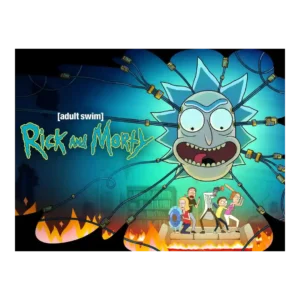
Episodes avoid filler, link cleanly, and keep action climaxes from feeling repetitive. The season stays mostly episodic while adding a stronger seasonal spine.
Pros: humor, entertainment value
Cons: supporting cast performance

The dual-timeline structure is widely viewed as a smart expansion. Reviewers like how the past and present mirror each other, add momentum, and eventually make the season feel more complete.
Pros: main cast performance, episode structure
Cons: season pacing, character development

Several reviewers like how individual episodes build their own hooks while feeding the larger mystery, though others dislike the season-long case swallowing episodic detective storytelling.
Pros: entertainment value, cast chemistry
Cons: faithfulness to source material, plot clarity

The classic mix of stage acts, musical numbers and backstage overbooking works well as a simple framework for the chaos, even when individual sketches vary.
Pros: humor, entertainment value
Cons: main cast performance, character balance
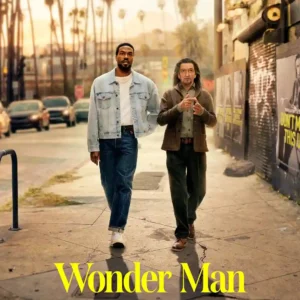
The self-contained episode design feels like real television to many viewers, though the Doorman detour splits opinion over whether it enriches or interrupts the main story.
Pros: entertainment value, humor
Cons: critic appeal, villain quality
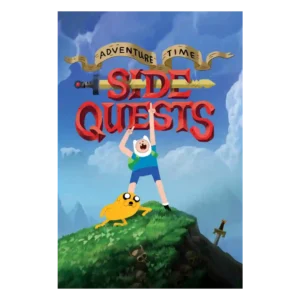
The standalone format is one of the clearest selling points: reviewers repeatedly describe concise, self-contained adventures that can be watched without homework. A few note that the episodic reset also...
Pros: visual style, animation quality
Cons: lore depth, continuity
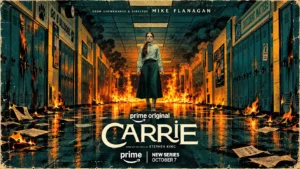
Documentary-style interviews and glimpses of the disaster provide an effective route into a familiar story. Too many framing devices can make the presentation feel cluttered.
Pros: main cast performance, character development
Cons: story quality, finale satisfaction

The series gets strong marks for time jumps, flashbacks, and midseason structural pivots that reframe earlier information without simply following a standard superhero arc.
Pros: character development, cast chemistry
Cons: faithfulness to source material, story quality

The premiere’s recap and reintroduction work well, and its personal stakes sharpen the setup. One critic pushes back that quieter episodes can feel like filler rather than purposeful progression.
Pros: story quality, entertainment value
Cons: season pacing, visual style

The season’s flashbacks and shifting perspectives add more depth than expected. That structure helps the characters’ histories matter alongside the central mystery.
Pros: special effects quality, story quality
Cons: season pacing, drama quality

Flashbacks, road-trip detours, and overlapping clues often keep the mystery lively and reveal character along the way. Repeated scenes and a recurring trouble-clue-escape pattern made the structure feel formulaic to...
Pros: humor, story quality
Cons: plot clarity, season length

The medical-case-of-the-week structure generally works, especially when cases intersect with character growth. Repeated town traditions risk becoming formulaic, though later episodes use the format more effectively.
Pros: tone consistency, entertainment value
Cons: humor, character development

Compact episodes and interlocking arcs earn praise. One assessment finds the layered plotting less satisfyingly connected.
Pros: entertainment value, story quality

The expanded eight-episode and two-timeline structure gives the saga room to breathe. It is also framed as a setup for a longer story rather than a completely self-contained arc.
Pros: main cast performance, acting quality
Cons: dialogue quality, episode pacing