
Season 2’s opening episodes usually move quickly, with critics praising how fast the premiere reestablishes stakes and throws viewers back into the conflict.
Pros: story quality, entertainment value
Cons: season pacing, visual style

Season 2’s opening episodes usually move quickly, with critics praising how fast the premiere reestablishes stakes and throws viewers back into the conflict.
Pros: story quality, entertainment value
Cons: season pacing, visual style

Episode-level pacing is generally praised as brisk and confident, with the story raising stakes quickly and moving without much wasted time.
Pros: character development, story quality
Cons: plot originality, realism

One of the strongest pacing notes is positive: the show is said not to lag, helped by energetic editing and a full archive.
Pros: emotional impact, interview and source material quality

The half-hour episodes can move quickly without feeling rushed, especially when a clue turns into a mission and then a new complication.
Pros: animation quality, acting quality
Cons: story quality, character development

Individual episodes are generally brisk and tightly constructed, with legal reversals and revelations arriving quickly. This strong scene-to-scene momentum contrasts with some criticism of the season’s larger arc.
Pros: acting quality, entertainment value
Cons: finale satisfaction, realism

Individual episodes are generally praised for moving quickly without lingering too long on secrets or dragging.
Pros: sports storyline quality, character development
Cons: romance quality, plot originality

Individual episodes can be gripping and well-paced, especially around major chases and reveals, though some reviewers find the slower stretches overextended.
Pros: story quality, theme depth
Cons: plot clarity, season pacing

The show generally moves briskly, with slick pacing and little sense of dead air in the more enthusiastic reactions.
Pros: spin-off quality, main cast performance
Cons: plot originality, cast chemistry
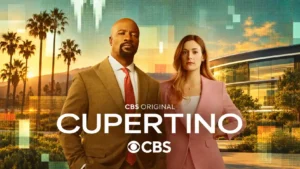
The series starts briskly and keeps its cases moving. The pilot earns particular praise for getting to work immediately instead of lingering on setup.
Pros: entertainment value, theme depth
Cons: realism, plot originality

Individual episodes are generally praised for maintaining momentum and landing their turns efficiently. The penultimate stretch in particular drew strong approval.
Pros: main cast performance, character development
Cons: pilot episode quality

Most reviews find the individual episodes snappy and brisk, helped by the short runtime. The main drag comes from repeated fantasy beats that some critics felt turned into padding.
Pros: main cast performance, theme depth
Cons: story quality, character development

Individual episodes are often described as measured but effective, with several reviews praising the deliberate build and strong momentum. The main pacing complaints are concentrated in the later flashback-heavy stretch.
Pros: story quality, genre satisfaction
Cons: realism, season pacing

The slower premiere works for viewers who want comfort-show rhythms, while the middle of the season becomes much more gripping. Episode-level pacing is stronger once the many threads begin converging.
Pros: story quality, emotional impact
Cons: drama quality, writing quality

The first episode’s pacing is praised alongside its editing and performances. Its momentum helps sustain interest through the introduction and growing school tension.
Pros: main cast performance, character development
Cons: story quality, finale satisfaction

Episode-to-episode momentum gets a positive nod from critics who felt the show kept viewers on edge. The weekly rhythm is treated as measured rather than empty when the suspense is...
Pros: acting quality, supporting cast performance
Cons: plot clarity

Most reviewers thought individual episodes moved briskly and efficiently, especially once the season gets going. One premiere review found the opening chapter slower and more cumbersome than usual.
Pros: main cast performance, humor
Cons: plot originality

Episode-level pacing is strongest in the premiere coverage, where reviewers say the show gets moving quickly and builds real momentum. The first episode is repeatedly framed as a confident reset...
Pros: main cast performance, episode structure
Cons: season pacing, character development

Episode-level pacing is usually a strength, with short chapters, quick momentum, and little dead air. A few viewers may find the nonstop pressure abrasive rather than breezy.
Pros: main cast performance, supporting cast performance
Cons: plot clarity, season pacing

Pacing is often praised as brisk and engaging, though the premiere’s rhythm and some structural choices receive occasional criticism.
Pros: main cast performance, entertainment value
Cons: plot originality, sexual content level

Episode pacing earns strong marks for urgency, real-time momentum, and jam-packed medical plots. The main caveat is that the premiere and early stretch can feel slower or more table-setting before...
Pros: realism, emotional impact

Most episodes move briskly and stay focused, with fast stories and sharp timing. One corporate C-word plot was the notable exception, criticized for running out of steam.
Pros: humor, cast chemistry
Cons: season length, season pacing

Individual episodes often move briskly and confidently, though one review says the series takes too long to fully establish its premise.
Pros: entertainment value, humor
Cons: story quality, modern political framing

The gentle rhythm suits comfort viewing and observational comedy. Some episodes struggle to balance several narrative layers.
Pros: entertainment value, story quality

The premiere can feel like an extension of Season 1, but reviewers say the pace improves quickly. Once the season gets moving, the short episodes rarely waste much time.
Pros: humor, character development
Cons: season length, writing quality

The pacing is loose and light rather than urgent, with several reviewers finding the breezy movement a good fit for the material.
Pros: theme depth, humor
Cons: character consistency

The episode-by-episode movement can be both nimble and substantive. The series covers a lot without losing the thread when its historical sections are doing the work.
Pros: interview and source material quality, theme depth
Cons: modern political framing, season pacing

Episodes usually move quickly and keep viewers engaged, but the middle stretch and finale draw complaints for either dragging or cramming too much into too little time.
Pros: entertainment value, cast chemistry
Cons: faithfulness to source material, plot clarity

Episode pacing ranges from thrillingly fast to occasionally frustrating. The monster-of-the-week structure is praised, though one critic wanted stronger payoff.
Pros: genre satisfaction, suspense

Pacing improves after the opener. Two-part cases generally work well, though the first investigation can feel drawn out before the series finds its rhythm.
Pros: modernization quality, cast chemistry
Cons: story quality

Individual episodes generally move briskly, and several critics specifically praised the snappy half-hour rhythm even when they disliked the larger season.
Pros: cast chemistry, supporting cast performance
Cons: humor, story quality

Individual episodes are described as crisp and tense, with enough movement between family trauma and investigation to keep attention. The first episode in particular avoids dumping everything at once.
Pros: story quality, emotional impact
Cons: season pacing

The short run mostly keeps tension taut, though speech-heavy stretches can interrupt the momentum when the drama pauses to underline its politics.
Pros: modern political framing, drama quality
Cons: finale satisfaction, season finale quality

The finale is strongly liked, though one reviewer wishes it had spent more time on Hank and Peggy’s decision to move to Saudi Arabia.
Pros: franchise connection, character development

One review approves the deliberately low-stakes start, arguing that letting the show develop at its own pace may be the right way to build the new team.
Pros: franchise connection, entertainment value
Cons: cast chemistry, main cast performance

The middle of the season gains momentum and becomes more character-focused after a mechanical opening. That improvement helps, but the early episodes still spend too long explaining familiar territory.
Pros: modern political framing, spin-off quality
Cons: violence level, season pacing

Episode pacing is a clear selling point for viewers who want momentum. Even negative reviewers often concede that episodes move quickly, especially in the opening prison-break stretch.
Pros: bingeability, suspense
Cons: plot twists, entertainment value

Pacing varies by reviewer: some praised the swift, compact episodes, while others found the pilot incomplete or the season too slow to reach OnlyFans. The early setup is the most...
Pros: audience appeal, character development
Cons: season pacing, season length

Episode pacing ranges from thrilling to slow, depending on the critic. The best notices praise its momentum and tension, while the colder responses say some stretches drag or move too...
Pros: character development, spin-off quality
Cons: accent authenticity, plot clarity
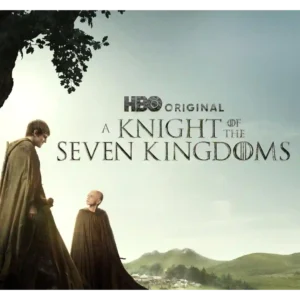
Most episodes move briskly and avoid the bloat associated with larger Thrones stories, though the opening can feel slow and a late flashback noticeably stalls momentum.
Pros: story quality, entertainment value
Cons: violence level, editing quality

The variety-show momentum is energetic and often praised, though the rapid jumps between bits can feel rushed or overwhelming for newcomers.
Pros: humor, entertainment value
Cons: main cast performance, character balance

Episode-level pacing varies: several installments are praised for urgency or well-judged slowdown, while exposition-heavy stretches and the rushed finale can sap momentum. The strongest episodes balance action and character effectively.
Pros: action quality, franchise connection
Cons: season pacing, character balance
Several episodes are described as energetic and quick-moving, with jokes and adventure beats arriving steadily. The main pacing complaint is that at least one episode takes too long to reach...
Pros: visual style, animation quality
Cons: lore depth, continuity

Early episodes are often praised for focused momentum, but several reviews call individual chapters rushed or too compressed when major developments pile up quickly.
Pros: story quality, action quality
Cons: season pacing, season length

Pacing varies noticeably by reviewer and episode. The show can feel brisk and propulsive, but the opener and middle stretch are repeatedly criticized for filler, exposition, or sluggishness.
Pros: entertainment value, acting quality
Cons: faithfulness to source material, season length
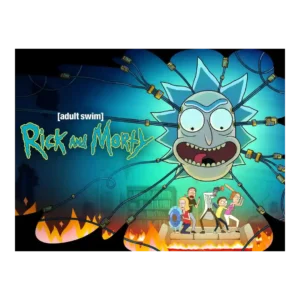
Episode pacing is a clear tradeoff: rapid movement, slower breathers, and occasional loose or jarring moments all show up. The rhythm is not uniformly tight, but it often serves the...
Pros: humor, entertainment value
Cons: supporting cast performance

The episodes generally move quickly, which helps the binge, but some reviewers want more breathing room and find the tempo uneven from installment to installment.
Pros: entertainment value, story quality
Cons: plot clarity, finale satisfaction

The premiere is often praised for getting into the mystery quickly, but broader pacing criticism says the case could move with more urgency.
Pros: main cast performance, spin-off quality
Cons: plot originality, villain quality

Individual episodes can be exhilaratingly fast, but the barrage of edits, jokes, music, and plot sometimes becomes overstimulating or hard to track.
Pros: soundtrack quality, story quality
Cons: season pacing, character balance

The strongest episodes move with kinetic revenge-thriller energy, but the season also contains slow detours that repeatedly interrupt the action.
Pros: main cast performance, visual style
Cons: story quality, plot originality

Pacing varies sharply: some episodes move quickly and engagingly, while the premiere and other installments take too long to reach obvious destinations.
Pros: humor, sports storyline quality
Cons: story quality, character development