Graphic creature violence includes torn flesh, heavy bloodshed, grotesque transformations and bodies. Suicidal distress, sexual harassment, profanity and sustained supernatural threats add to the intensity.
Official ratingTV-MA
Bottom Line
Inventive workplace nightmares and an expressive lead make this an entertaining horror-comedy binge. Uneven CGI, repetitive assignments and incomplete answers keep the larger mystery from satisfying everyone.
Viewers seeking complete mystery closure, highly realistic creatures or relaxed background entertainment. Scare-sensitive viewers should also be cautious about the grotesque imagery and threatening clowns.
Verdict
Dead-End Job is easiest to recommend for its individual nightmares: ordinary shifts become strange survival challenges, and each workplace brings new rules and dangers. Lee Jae-wook’s frightened, exhausted lead and Kim Min-ha’s practical sister give the chaos an appealing human center. The jokes often preserve the tension, while the underlying argument about debt and dangerous work gives the monsters a meaningful purpose. Practical effects are frequently impressive, but digital creatures can look shiny, detached or goofy. The short episodes encourage continued viewing, although the assignment pattern grows repetitive for some. The finale divides opinion most sharply: some find its convergence impactful, while others see rushed explanations and important unanswered questions. Watch for the inventive situations and sibling dynamic; keep expectations for complete closure measured.
Ordinary workspaces and unpredictable rules generate memorable scares and sustained curiosity. Later episodes can lose momentum, but the strongest encounters retain their tension even through the comedy.
entertainment value: 4.1, 16 reviews, strong consensus
The bizarre assignments, frightened lead and changing settings make the show a broadly enjoyable ride. Slower later installments and an uneven payoff temper otherwise positive recommendations.
Expressive panic, physical commitment and contrasting sibling temperaments usually anchor the praise for the cast. An included reader strongly dislikes the ensemble, providing a clear dissent from the broader enthusiasm.
The combination of workplace satire, supernatural horror and dark comedy is a major attraction. Most responses enjoy the collision, though some find the tone wayward or dislike jokes interrupting a frightening scene.
Family relationships: 4.5, 11 reviews, strong consensus
The frightened brother and practical sister provide a relatable center through quarrels, concern and contrasting responses to danger. Their bond and the father-son material also give the horror emotional weight.
main cast performance: 4.5, 11 reviews, strong consensus
Lee Jae-wook’s vulnerable, physically committed lead performance is a recurring strength. The central ensemble gives the bizarre jobs a human center and helps the comedy coexist with danger.
Digital monsters are the most persistent visual complaint: shiny textures and an artificial fit with real surroundings can weaken the scares. Some viewers accept the exaggeration as part of the fantasy or find the effects improve after the opening.
character development: 2.7, 8 reviews, strong consensus
The siblings benefit from recognizable emotions and contrasting approaches to danger. Supporting mysteries, the missing-father arc and some late developments need more room, with the investigator drawing repeated criticism for limited depth.
The agency’s secrets are easier to become curious about than to find fully satisfying. Vague rules, delayed explanations and an unresolved final stretch recur as limitations.
The ending is the sharpest point of disagreement. Some find its convergence and dark uncertainty impactful, while others feel the larger story stops with too much unfinished business.
Vague medical explanations, uncertain agency rules and holes in the finale make the plot difficult to follow at times. An included reader finds the amount happening overwhelming.
Early installments jump into the action, while episodes four and six attract complaints about slow setup. The investigative material trades immediate scares for a more methodical account of the agency.
Panicked employee reactions and absurd workplace rules create an appealing vein of dark comedy. The laughs sit alongside serious exploitation themes and threatening supernatural encounters.
The short season and changing assignments make this an appealing weekend commitment. Strong recommendations emphasize a good return on viewing time despite reservations about the ending.
The best moments make the lead’s panic funny while keeping the danger meaningful. The balance generally works, although a reaction to the first episode finds the comic interruptions unwelcome.
Important questions about the agency, its rules and the final confrontation remain unresolved. Anyone wanting a fully explained ending should approach with measured expectations.
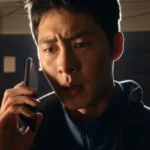
Lee Jae-wook’s expressive fear, comic timing and demanding physical work repeatedly stand out. His exhaustion and vulnerability make the desperate lead sympathetic rather than foolish.
Kim Min-ha brings appealing practicality, warmth and emotional force to Ji-yoon. Her calm contrast with her panicked brother makes the sibling relationship a particular strength.
Lee Hee-joon makes the staffing manager unsettling through courtesy, composure and restrained menace. The contrast between reasonable manners and dangerous arrangements keeps his intentions difficult to read.
Choi Hyun-wook makes a memorable guest impression through menace, nonchalance and comic absurdity. His brief appearance leaves some viewers wanting more.
Ko Min-si’s ambiguous investigator intrigues some viewers through composure and uncertain motives. Others find the performance and characterization comparatively underdeveloped.
Kim Da-min uses different workplace settings to explore fear and humor together. The changing spaces give the horror varied opportunities rather than a single repeated backdrop.
Compared with other TV Shows, this product is above average in memorability, professional life portrayal, dialogue quality, near average in suspense, entertainment value, below average in realism, lore depth, creature design.
Comparison summary
77 compared features
Above average0.4+ pts higher
27(35%)
Same as averagewithin 0.3 pts
37(48%)
Below average0.4+ pts lower
13(17%)
Largest category differences
Attribute
This product
Category average
Difference
realism
1.5
3.3
-1.8
lore depth
2.4
4.0
-1.6
creature design
3.3
4.7
-1.4
memorability
4.5
3.1
+1.4
world-building
2.9
4.2
-1.3
professional life portrayal
4.6
3.3
+1.3
character development
2.7
3.8
-1.1
Survival problem-solving
3.5
4.6
-1.1
Consider This Instead
If you want better episode structure
Choose Black Doves, Season 2. It scores 5.0 vs 3.8 for episode structure, with a 4.3 overall score.
Products reviewers directly compared with this model, grouped into quick takeaways.
Squid Game (2021)
Similar: Social commentary and genre tensionThe series is recommended for viewers who enjoy the combination of sharp social themes and tension associated with Squid Game.
Similar: Desperate workers accepting lethal offersBoth stories involve financially desperate people volunteering for potentially lethal routes to quick money.
Similar: Debt-driven premiseBoth begin with a deeply indebted protagonist accepting an extraordinary opportunity, before this show turns supernatural.
Inception (2010)
Similar: Physics and perceptionThe set-driven disorientation recalls Inception’s manipulation of physics and perception.
Similar: Recognizable film influencesThe early episodes recall Inception, contributing to the reviewer’s concern that the show feels derivative.
Similar: Reality-bending sceneA scene is described as taking inspiration from Inception.
Sweet Home (2020)
Similar: Aesthetic, themes and visualsThe familiar look and themes recall Sweet Home and contribute to fatigue with this kind of thriller.
Similar: CGI monstersThe reviewer accepts the digital monsters as effective otherworldly creations, as in Sweet Home.
FAQ
What is Dead-End Job about?
A debt-burdened man accepts extraordinarily well-paid temporary work through a mysterious agency, only to encounter supernatural dangers at each assignment.
Is it more horror or comedy?
It combines gruesome supernatural horror with dark workplace comedy. Many enjoy the balance, though the jokes and sudden tonal shifts do not work for everyone.
Is it a good weekend binge?
The eight-episode season and short installments make it an approachable binge. Different workplaces keep the early episodes fresh, although the formula can become repetitive.
How convincing are the monsters?
Practical effects receive strong praise. Digital creatures are less consistent and can look artificial or goofy against the physical settings.
Does the ending answer everything?
No. Some find the final convergence impactful, but several responses criticize unresolved questions and incomplete explanations.
Is it suitable for younger viewers?
The graphic violence, grotesque creatures, suicidal distress and sustained threats make it best suited to older teens and adults. Scorata’s recommended minimum age is 17.
What gives the story emotional weight?
The brother-sister relationship and family history ground the dangerous jobs. The pressure to accept harmful work for money gives the supernatural premise a recognizable human concern.
Sample Expert Reviews We Analyzed
These are a few of the reviews included in our analysis.
Best for sharp adult humor, magnetic chemistry and a deeply satisfying farewell. Skip it if familiar will-they-won’t-they plotting or deliberately messy leads are dealbreakers.
Choose Widow’s Bay for its dark laughs, richly haunted island and memorable ensemble. Skip it if you need straightforward scares, rapid answers to every mystery or a completely resolved finale.
Choose Season 15 for warm, character-driven comedy, meaningful growth, and a finale that rewards longtime fans. Skip it if the short binge format, uneven replacement voices, or occasional clumsy commentary...
Best for sharply acted, compassionate, high-pressure hospital drama. Skip it if graphic procedures unsettle you or you need a neatly resolved season finale.