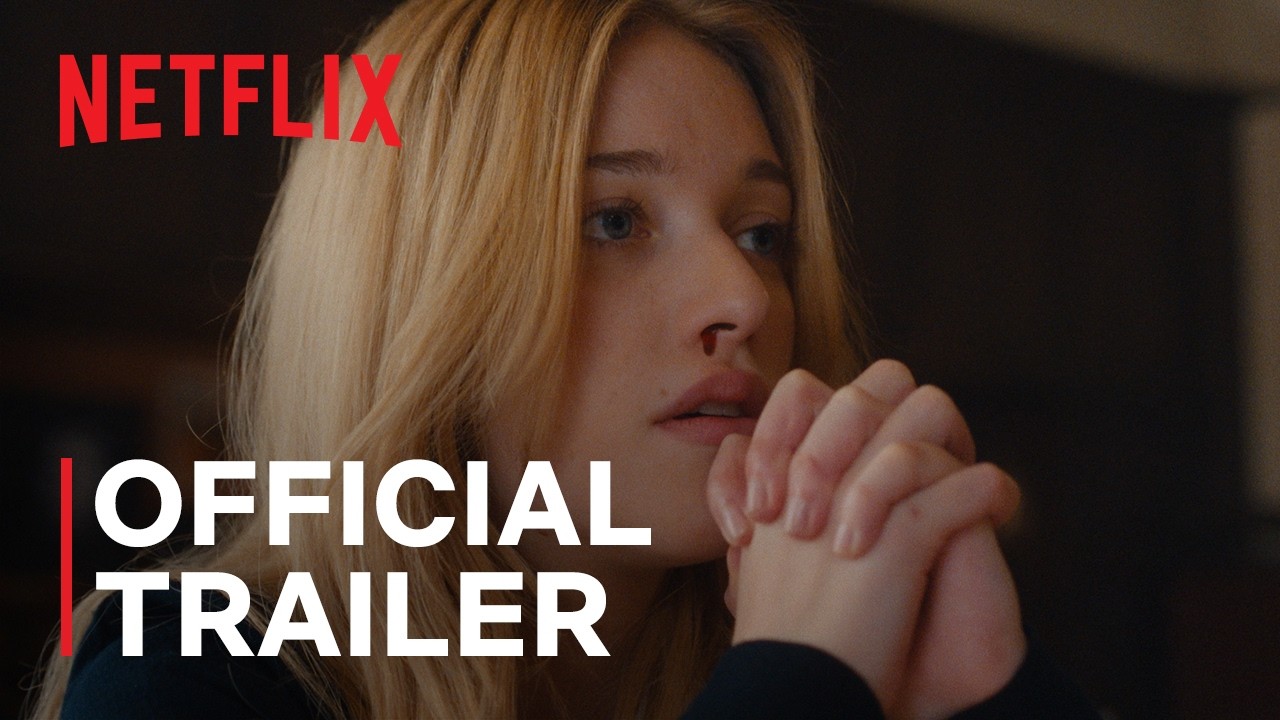
Frequent underage drug and alcohol use, explicit sexual dialogue and situations, strong language, bullying and religious distress make this a mature teen drama. Eating-disorder and self-harm themes, disturbing medical crises and an apparent suicide add to the intensity.
Official ratingTV-MA
Bottom Line
The Body delivers a gripping mix of queer coming-of-age drama, Catholic guilt and Y2K style, powered by its young cast. Its slow middle stretch, dim visuals and deliberately unresolved mystery may test viewers wanting more conventional horror.
Viewers drawn to character-focused psychological drama, sapphic coming-of-age stories and unsettling early-2000s nostalgia. Patient horror fans who appreciate ambiguity are better served than jump-scare seekers.
Viewers who need quick pacing, frequent supernatural scares or a fully explained mystery may be frustrated. Its sexual themes, substance use and intense psychological material make it a poor choice for younger audiences.
Verdict
The Body is at its strongest when it treats high-school friendships as a system of loyalty, desire and control. Performances from the young ensemble, especially the central trio, make the escalating secrets feel emotionally dangerous, while the flip phones, velour outfits and pop-heavy soundtrack evoke 2004 without turning the setting into simple comfort nostalgia. Religious imagery and ambiguous visions create an oppressive atmosphere, and the queer relationship at the center gives the psychological drama its deepest stakes. The tradeoff is the eight-episode structure: critics repeatedly complain of sluggish pacing, underdeveloped subplots and nights filmed too darkly to follow. The finale leaves substantial questions open, which some admire as thematically consistent and others find unsatisfying. Expect vivid character drama and creeping dread rather than constant scares or a tidy explanation.
Faith, guilt, sexuality, belonging and social contagion give the story substantial ideas. Some feel its many concerns never receive adequate follow-through.
The young cast is repeatedly called the series’ biggest strength. Performers make cruelty, guilt, longing and manipulation feel immediate, even when the writing is thin.
Anya and Elise’s attraction, denial and emotional damage are central rather than subtext, and the portrayal of queer repression receives widespread praise.
character development: 4.0, 18 reviews, low consensus
Opinions split sharply: some find richly conflicted leads and rewarding arcs, while others find too many one-note teammates and underexplained choices.
The unresolved finale is divisive. Some appreciate its commitment to ambiguity, while others see a frustrating cliffhanger designed to require another season.
The web of visions, withheld information and competing motives can grow confusing, and several viewers feel the series deliberately withholds too much.
A botched initiation turns into an absorbing study of guilt and group loyalty. The central setup is stronger than some of the loosely connected subplots and unresolved questions.
Her handling of adolescent cruelty, shame and faith wins enthusiastic praise for wit and insight, though some critics fault her for overextending the story.
Her unnerving Lisbeth is a frequent standout, combining uncanny sweetness, menace and glimpses of vulnerability even when the writing leaves her motives thin.
Compared with other TV Shows, this product is above average in LGBTQ+ representation, dialogue quality, realism, near average in character development, story quality, below average in lighting quality, cliffhanger effectiveness, tonal consistency.
Comparison summary
56 compared features
Above average0.4+ pts higher
31(55%)
Same as averagewithin 0.3 pts
10(18%)
Below average0.4+ pts lower
15(27%)
Largest category differences
Attribute
This product
Category average
Difference
lighting quality
2.0
4.1
-2.1
LGBTQ+ representation
4.8
3.3
+1.6
cliffhanger effectiveness
2.0
4.0
-2.0
tonal consistency
1.7
3.5
-1.8
season finale quality
2.0
3.8
-1.8
dialogue quality
5.0
3.4
+1.6
realism
5.0
3.3
+1.7
Religious messaging
4.8
3.5
+1.3
Consider This Instead
If you want better cliffhanger effectiveness
Choose X-Men ’97 Season 2. It scores 4.8 vs 2.0 for cliffhanger effectiveness, with a 4.4 overall score.
Better: realization of premiseIts familiar teen-girl setup lacks the sharper execution expected from its influences.
Similar: high-school comedyMean-girl humor becomes darker and more overtly sapphic.
Similar: social hierarchy and gossipMean-girl dynamics become overtly queer and more unsettling.
Bring It On (2000)
Similar: campy team storyA dance-team setting receives a religious and queer twist.
Similar: team dynamicsDance-team rivalries are reframed as secretive and queer.
Similar: retro teen-movie aestheticThe show borrows Y2K teen-movie conventions while making its queer themes explicit.
The Crucible (1953)
Similar: religious paranoiaSalem-style mass hysteria serves as a major narrative parallel.
Similar: religious accusationsThe series echoes the play's manipulation of belief.
Similar: mass hysteriaThe group's escalating beliefs echo the play's social panic.
FAQ
Is The Body more horror or teen drama?
The strongest through-line is a psychological teen drama about friendship, desire and religious guilt. It uses creepy visions and gothic symbolism but is not consistently scary.
Does the first season resolve its mystery?
Not completely. Some character arcs progress, but the finale keeps central supernatural questions deliberately open.
What makes its 2004 setting distinctive?
AIM chats, flip phones, rhinestone fashion and pop songs ground the story in Y2K culture, while the series examines how that era restricted queer teenage identity.
Are the performances worth watching for?
Yes. The central ensemble and especially the leads receive widespread praise for their chemistry, menace and vulnerability.
Does the eight-episode season feel too long?
For many critics, yes. The early setup is absorbing, but the middle and later episodes can feel repetitive and drawn out.
Does the series feature explicit mature content?
Yes. Expect strong sexual dialogue and situations, drug use, intense religious themes, emotional distress and references to eating disorders and self-harm.
Is The Body a good pick for a weekend binge?
It has strong next-episode momentum for viewers invested in its secrets, but its dark themes and deliberate pacing can make a marathon draining.
Sample Expert Reviews We Analyzed
These are a few of the reviews included in our analysis.
Best for sharp adult humor, magnetic chemistry and a deeply satisfying farewell. Skip it if familiar will-they-won’t-they plotting or deliberately messy leads are dealbreakers.
Choose Widow’s Bay for its dark laughs, richly haunted island and memorable ensemble. Skip it if you need straightforward scares, rapid answers to every mystery or a completely resolved finale.
Choose Season 15 for warm, character-driven comedy, meaningful growth, and a finale that rewards longtime fans. Skip it if the short binge format, uneven replacement voices, or occasional clumsy commentary...
Best for sharply acted, compassionate, high-pressure hospital drama. Skip it if graphic procedures unsettle you or you need a neatly resolved season finale.