#1

The strongest dialogue is poetic, emotionally precise, and capable of carrying large ideas without always turning into a lecture. The Lee-Hamilton conversations and Charles’s letter are recurring highlights.
Pros: main cast performance, story quality
Cons: character balance, episode pacing
#2

McGee's rapid-fire dialogue is a major strength: sharp, profane, layered, and often devastatingly funny in the same breath. Its speed can demand concentration, but reviewers repeatedly say the banter crackles.
Pros: humor, story quality
Cons: plot clarity, season length
#3
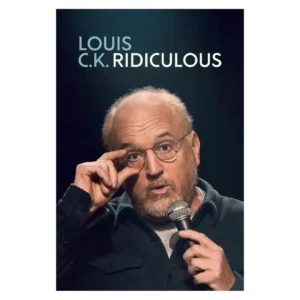
Individual lines and punchlines are often singled out as sharp, sometimes even layered. The best bits stick with viewers, though that precision is not consistent across the whole hour.
Pros: theme depth, genre satisfaction
Cons: humor, sexual content level
#4

At its best, the dialogue crackles with sharp insults, workplace banter, and quick pop-culture references. Some topical jokes already feel dated, while a few exaggerated exchanges come across as forced.
Pros: main cast performance, supporting cast performance
Cons: season pacing, episode structure
#5

The language often lands as sharp, witty, authentic, and restrained, but one episode review criticizes moments that over-explain characters instead of trusting the subtext.
Pros: main cast performance, entertainment value
Cons: plot originality, sexual content level
#6
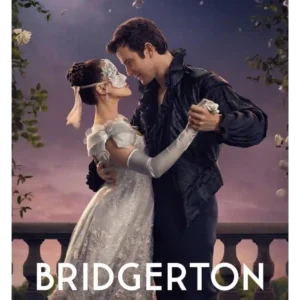
Banter and romantic declarations often work well, while clunky exposition and occasional soapier dialogue draw criticism.
Pros: entertainment value, story quality
Cons: plot originality, writing quality
#7
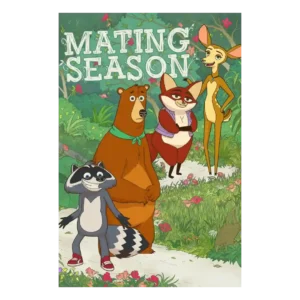
Dialogue swings between polished, quick, and conversational for fans and gratingly crude for detractors. The best-liked lines are smaller throwaways, while the most disliked ones spell out jokes too aggressively.
Pros: cast chemistry, acting quality
Cons: humor, character development
#8

The couple’s teasing banter and the family’s morbid speeches can ring true, but repetitive exposition and limited intimate conversation weaken the relationship writing.
Pros: suspense, theme depth
Cons: season pacing, story quality
#9
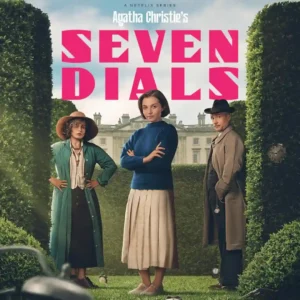
Dialogue is a major split point: some critics enjoy the witty, old-fashioned banter, while others find it plot-heavy or jarringly modern. The best exchanges add charm; the weakest feel like...
Pros: entertainment value, acting quality
Cons: faithfulness to source material, season length
#10

Witty banter lands well in stronger scenes, but exaggerated romantic dialogue can become heavy and slow the pace.
Pros: audience appeal, drama quality
Cons: story quality, character development
#11

Dialogue gets limited but mixed attention. One reviewer mocked the villain’s enigmatic speeches, while another found UTA’s soft, slow delivery eerie and effective.
Pros: special effects quality, story quality
Cons: season pacing, drama quality
#12

Dialogue is divisive: some praise its clipped, zippy confidence, while harsher reviews call it clumsy, over-written or trailer-like rather than natural.
Pros: story quality, renewal interest
Cons: season pacing, plot clarity
#13

Dialogue quality is sharply split. Some reviewers call it extremely good or pacy, while others single out clichéd hospital lines and amateurish dialogue as major weaknesses.
Pros: entertainment value, story quality
Cons: plot clarity, finale satisfaction
#14
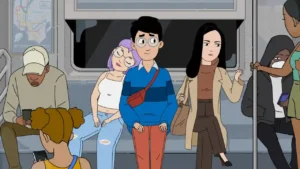
The verbal comedy is inconsistent: some critics find punchlines strained or random, while others enjoy the siblings’ fast back-and-forth roasting.
Pros: cast chemistry, animation quality
Cons: humor, plot originality
#15

Dialogue ranges from witty, emotionally mature banter among veteran characters to clunky exchanges in the love-triangle material. Simplicity is sometimes part of the charm, but not every scene lands.
Pros: story quality, emotional impact
Cons: drama quality, writing quality
#16

There are flashes of compressed, memorable wit, but several critics also found the dialogue stagey, stilted, or implausibly broad. The result depends heavily on tolerance for the show’s heightened academic...
Pros: main cast performance, theme depth
Cons: story quality, character development
#17
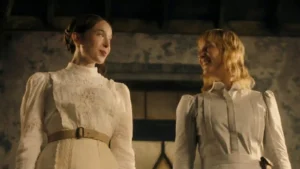
The premiere's dialogue was criticized as over-the-top, fitting the season's deliberately heightened but divisive style.
Pros: acting quality, entertainment value
Cons: faithfulness to source material, violence level
#18
Dialogue quality drew criticism in the cited review, which found some exchanges stilted and awkward. The complaint suggests the dialogue sometimes fails to match the complexity of the cast or...
Pros: entertainment value, acting quality
Cons: episode pacing, plot originality
#19
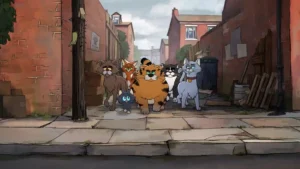
The dialogue is highly polarizing: supporters hear natural, authentic, fast-moving banter, while detractors hear aimless improvisation, repetitive insults, and podcast-like chatter. The same loose style is either the show’s charm...
Pros: main cast performance, episode length
Cons: humor, emotional impact
#20

The local speech can be lively, but heavy scientific explanation and backstory sometimes turn scenes into lectures. Some viewers also need subtitles to follow the accents.
Pros: entertainment value, main cast performance
Cons: writing quality, season pacing
#21
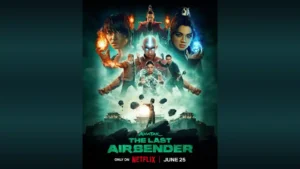
Dialogue remains a major weakness overall, especially exposition-heavy scenes, though several reviewers see a meaningful improvement in natural conversation compared with Season 1.
Pros: character development, action quality
Cons: faithfulness to source material, season pacing
#22

Dialogue is one of the more consistent complaints: Gen Z phrasing, PSA-style speeches and direct theme statements can feel forced, dated or overly explanatory.
Pros: spin-off quality, cultural representation
Cons: romance quality, season pacing
#23
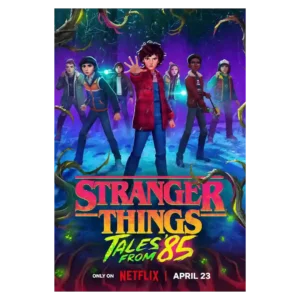
Dialogue is frequently criticized as sanitized, over-explanatory, and too much like a children’s adventure game. A small amount of witty banter stands out, but most reactions find the characters’ voices...
Pros: entertainment value, animation quality
Cons: spin-off quality, acting quality
#24

Dialogue is a consistent complaint when it comes up. Critics call it leaden, blunt, perfunctory, and overloaded with exposition.
Pros: bingeability, suspense
Cons: plot twists, entertainment value
#25

Dialogue is one of the weaker areas. Critics call some lines stiff, cheesy, or pulled from a familiar teen-romance playbook, and a rowing coach flags coxswain dialogue as inauthentic.
Pros: sports storyline quality, character development
Cons: romance quality, plot originality
#26

The younger-skewing dialogue is criticized for sanding down the way the established characters normally speak, making some exchanges feel less authentic.
Pros: animation quality, acting quality
Cons: story quality, character development
#27

Dialogue and speech patterns draw criticism for sounding cheap, annoying, or superficial, making confrontations feel smaller rather than sharper.
Cons: audience appeal, story quality
#28

The synthetic narrator’s scripted jokes are criticized for lacking human comic timing.
Pros: production design, visual style
Cons: entertainment value, faithfulness to source material
