Best for Bass performance
JBL Bar 1300MK2
4.9 attribute score
Highest scored product for this attribute based on supporting review evidence.

Highest scored product for this attribute based on supporting review evidence.
Balances the attribute score, supporting reviews, and overall product strength.
Has the broadest review evidence for this attribute.
Strongest overall product among items with scored evidence for this attribute.
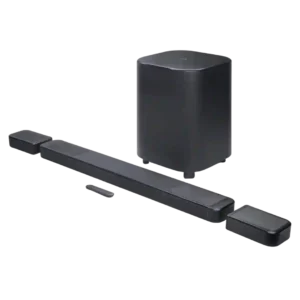
Bass is one of the defining strengths: deep, physical and room-shaking, yet often controlled enough to preserve dialogue. A few reviewers found default bass too dominant or heard artifacts when...
Pros: Rear speaker versatility, Overall product quality
Cons: Size and TV fit, Gaming HDMI passthrough
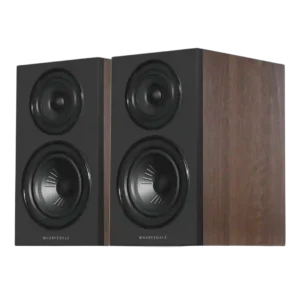
Bass is one of the standout strengths: deep for the size, tuneful, punchy and generally well controlled. Reviewers also hear improved articulation over the predecessor, with only occasional comments about...
Pros: Design and aesthetics, Music performance
Cons: Low-volume performance

Bass is the clearest consensus strength: reviewers describe deep extension, physical punch, and unusually strong output for a portable speaker. Bass Boost modes are more divisive, sometimes sounding boomy, resonant,...
Pros: Overall satisfaction, Overall sound quality
Cons: Energy efficiency, Microphone
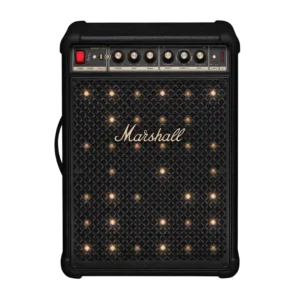
Bass is warm, punchy, and powerful without usually becoming muddy or boomy. The main limitation is the deepest sub-bass, where the larger Bromley 750 has more weight and extension.
Pros: Battery life (if portable), Weight convenience
Cons: App reliability, Remote control usability
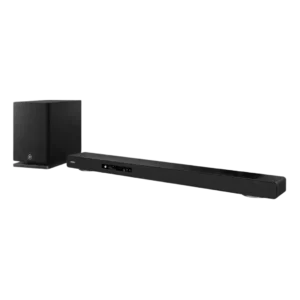
Bass is consistently powerful, tight, and well integrated rather than boomy. The main reservations are that the deepest extension can feel restrained and the sub needs volume before delivering maximum...
Pros: Home theater integration, Overall product quality
Cons: Value for money, Small-room suitability

Bass is one of the XIO’s defining strengths: deep, punchy, controlled, and unusually substantial for a single bar, often enough without a subwoofer. A few listeners wanted tighter or deeper...
Pros: Overall product quality, Overall sound quality
Cons: Value for money, Video passthrough support

Bass is substantially stronger than on earlier Echo Shows, with a punchier, fuller low end from the dedicated woofer. One dissenting review prefers the third-gen model’s bass and depth, so...
Pros: Overall product quality, Smart features
Cons: Privacy and data, On-device controls
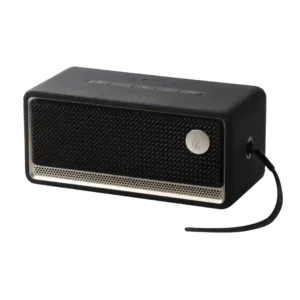
Bass is one of the ES60’s clearest strengths, repeatedly described as punchy, warm, powerful, and impressive for the size. A few listeners wanted deeper extension or noted thinning at very...
Pros: Overall sound quality, Overall satisfaction
Cons: Battery life (if portable), EQ customization
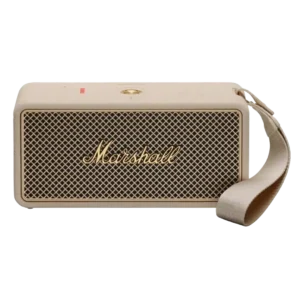
Bass is one of the most praised sound traits: deep, punchy, controlled, and unusually substantial for the size. It can compress at maximum volume and cannot reproduce the deepest sub-bass,...
Pros: Overall sound quality, Battery life (if portable)
Cons: Price / value for money, Weight convenience

Bass is one of the Coda W’s biggest strengths, reaching surprisingly deep with real punch, scale, and authority for the cabinet size. Room placement matters because the rear port can...
Pros: Stereo imaging accuracy, Aesthetic design / Finish options
Cons: Smart features, EQ customization

Bass is one of the Heston 60’s biggest surprises, with unusually strong punch and weight for such a small bar. Deep sub-bass still benefits from an added subwoofer.
Pros: Design and aesthetics, Overall sound quality
Cons: Value for money, App reliability
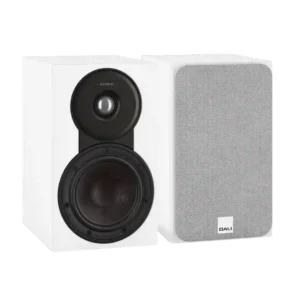
Bass is fast, punchy and far fuller than the cabinet size suggests. Deep-bass listeners should note that ultimate weight is limited and the rear port does much of the low-end...
Pros: Value for money, Aesthetic design / Finish options
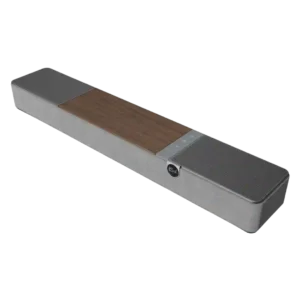
Bass is the Core 100’s defining strength, with unusually deep, punchy output from the built-in woofers and enough low end for many users to skip a sub. A few listeners...
Pros: Overall sound quality, Value for money
Cons: Remote control usability, Detail retrieval

Bass is generally deep, tight, and impressively powerful for the subwoofer’s compact size. A minority of reviewers wanted stronger very-low-frequency impact or preferred a bass-focused rival.
Pros: Home theater integration, Bass performance
Cons: Value for money, Design and aesthetics

Bass is punchy and substantial for the cabinet size, with tighter control than the older Era 100 in some listening comparisons. The tradeoff is limited true sub-bass depth and occasional...
Pros: Overall satisfaction, Overall sound quality
Cons: Trueplay room tuning, Smart assistant integration (Alexa

Bass is punchy and satisfying for such a tiny speaker, especially after EQ adjustment, but true low-bass depth is limited. Playtime Boost strips away much of the bass, and higher...
Pros: Overall satisfaction, Music performance
Cons: Bluetooth connection stability, Control button responsiveness
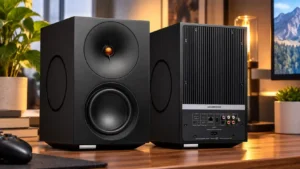
Bass delivers unusual weight, punch, and control for compact speakers. Wall placement can make it overpowering, and the deepest movie rumble or loudest passages may still call for a subwoofer.
Pros: Design and aesthetics, Overall sound quality
Cons: Placement footprint, Midrange performance

Bass opinion depends heavily on room, placement, and expectations: many found it surprisingly deep, punchy, and controlled for the size, while others heard limited low-end extension or boom near walls....
Pros: Overall product quality, Overall sound quality
Cons: Remote control usability, Control button responsiveness

Bass is one of the Era 100’s defining strengths: deeper, punchier and more substantial than its predecessor. A few listeners find it bass-heavy or note limits in true sub-bass, especially...
Pros: Bass performance, Overall sound quality
Cons: Google, Wired input

Bass is generally strong for a smart display, with reviewers describing satisfying thump, low-end weight, and booming output. It will not replace a large dedicated speaker, but it performs above...
Pros: Overall product quality, Display experience
Cons: Value for money, Privacy and data
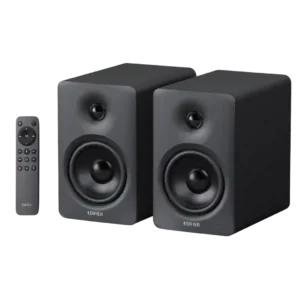
Bass is punchy, fast, and unusually authoritative for four-inch drivers, with little muddiness or bloat. Deep sub-bass and large-room impact remain limited, so bass-heavy listeners may want a subwoofer.
Pros: Bass performance, Value for money
Cons: On-device controls, Auto-off and standby behavior
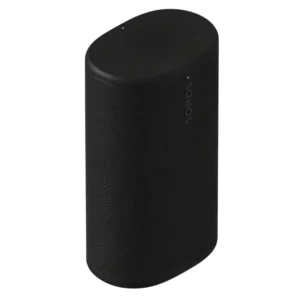
Bass is surprisingly full and punchy for the size, with enough weight for most music and outdoor use. The main caveats are occasional boominess, limited deepest sub-bass, and some compression...
Pros: Overall sound quality, Overall satisfaction
Cons: Price / value for money, App reliability
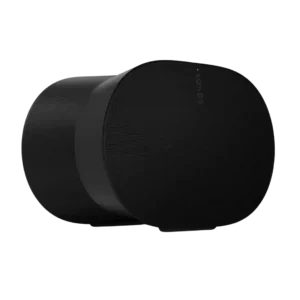
The Era 300 produces controlled, surprisingly deep bass for its size. Some listeners want more sub-bass weight, while stereo pairs or a Sub add extra authority.
Pros: Value for money, Overall sound quality
Cons: Design and aesthetics, Audio format support

Bass is substantially stronger than on the regular Dot and often impresses for such a small enclosure. It still lacks the physical depth of larger Echo speakers, and a few...
Pros: Overall sound quality, Smart features
Cons: Value for money, On-device controls
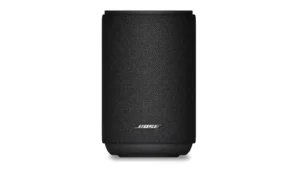
Bass is impressive for the speaker's size, with punch, control, and useful midbass weight. The recurring limitation is true sub-bass: the deepest notes lack the authority of larger speakers or...
Pros: Overall sound quality, Design and aesthetics
Cons: Multi-speaker pairing reliability, Smart features
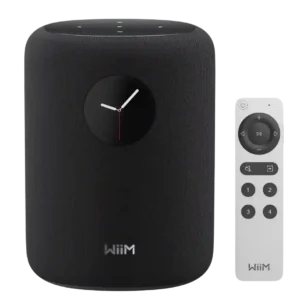
Bass is usually described as tight, controlled, full, and surprisingly capable for the cabinet size. It does not deliver true sub-bass or club-level weight, and some sources want more punch...
Pros: Overall product quality, Overall sound quality
Cons: AirPlay compatibility, Smart assistant integration (Alexa

The H7 delivers unusually deep, forceful bass for a single bar, and the full system can hit with real cinematic weight. The W7 can become boomy, slow, or overbearing, so...
Pros: Inter-speaker connectivity, AI Room Calibration
Cons: Value for money, Music performance

Bass opinions vary more than any other trait: many heard deep, tight, textured impact, while others found sub-bass soft or heavily reduced as volume rose. One test reported severe distortion...
Pros: Design and aesthetics, Music performance
Cons: Price / value for money, App reliability
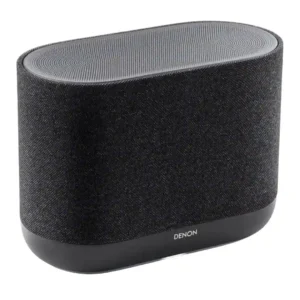
Bass is one of the Home 400’s more debated traits: it can sound strong and room-filling, but also less tight or weighty than some listeners may want. It suits everyday...
Pros: Music performance, Voice clarity
Cons: Small-room suitability, Smart assistant integration (Alexa

Bass is punchy, clean, and fuller than expected for the size, especially after EQ adjustment. Deep sub-bass and room-shaking impact are absent, and Playtime Boost weakens the low end substantially.
Pros: Music performance, Battery life (if portable)
Cons: Lighting effects, Charging cable inclusion
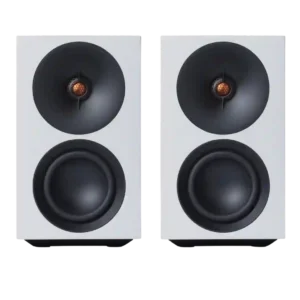
Bass is strong for the cabinet size, often described as tight, punchy and surprisingly full. Opinions split on tuning: some hear a little too much warmth or bloom, while deeper...
Pros: Design and aesthetics, Small-room suitability
Cons: Distortion at high volume, On-device controls
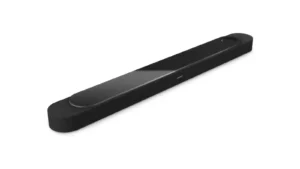
Standalone bass is usually tight, clean, and surprisingly substantial for one bar, but the deepest sub-bass is inconsistent and several comparisons favor Sonos. A subwoofer adds the physical weight that...
Pros: Design and aesthetics, Overall sound quality
Cons: Value for money, App reliability
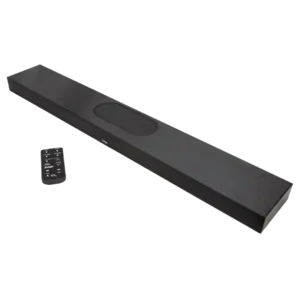
Bass feedback is mixed: some owners are amazed by the built-in low end, while one expert hears useful rumble and another finds it thin and lacking impact.
Pros: Dialogue clarity (for TV/soundbar use), Overall product quality
Cons: TV connection stability, Reliability
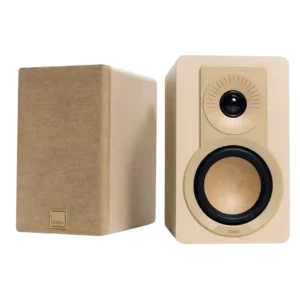
Bass is fast, punchy and unusually controlled for such a small cabinet, often sounding bigger than expected. The consensus is equally clear that true deep bass and room-shaking weight are...
Pros: Bass performance, Value for money
Cons: Amplifier power requirements, Break-in period
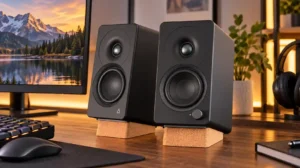
Bass is often described as controlled and clear, yet deeper weight and physical impact remain recurring limitations. A separate subwoofer is the favored remedy for demanding music and cinematic effects.
Pros: Placement footprint, speaker size
Cons: HDMI ARC, HDMI ARC support

Bass is the most divisive part of the GS5: many hear punchy, well-controlled weight without a subwoofer, while others report almost no low end or muddy boosted bass. Expectations and...
Pros: Cohesive presentation, Value for money
Cons: Status indicators, App reliability
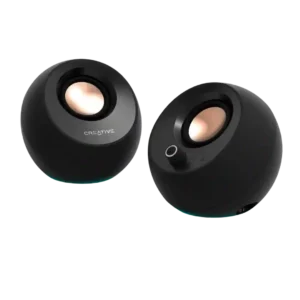
Bass is the biggest tradeoff: mid-bass can be surprisingly punchy with proper power and placement, but deep bass is limited and opinions vary widely. Listeners seeking real low-end weight will...
Pros: Overall sound quality, Value for money
Cons: Amplifier power requirements, Wired input
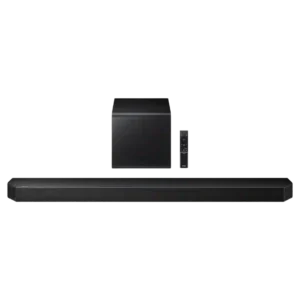
Bass is the most polarizing trait. Experts often praise it as deep, agile, controlled, and room-shaking, but several owners call it weak while another found the subwoofer overpowering and difficult...
Pros: Overall product quality, Overall sound quality
Cons: Bass performance, Surround sound simulation

Bass is controlled and can sound surprisingly weighty for the cabinet size, but deep sub-bass is the recurring weakness and physical impact trails bassier rivals.
Pros: Design and aesthetics, Overall product quality
Cons: Bass performance, Stereo imaging accuracy

Bass is the most divisive audio trait: some reviewers found it punchy and stronger than compact rivals, while others heard little deep impact, muddiness, or a clear downgrade from Nest...
Pros: Music performance, Voice assistant responsiveness
Cons: Value for money, Bass performance

Bass is the most divisive part of the sound: it can be deep and punchy for such a small cabinet, yet it is repeatedly lighter than the original Studio. Placement,...
Pros: Overall sound quality, Design and aesthetics
Cons: Value for money, Overall product quality