If you want better Wired audio connectivity
Choose Wharfedale Diamond 12.1i. It scores 5.0 vs 4.0 for Wired audio connectivity, with a 4.7 overall score.

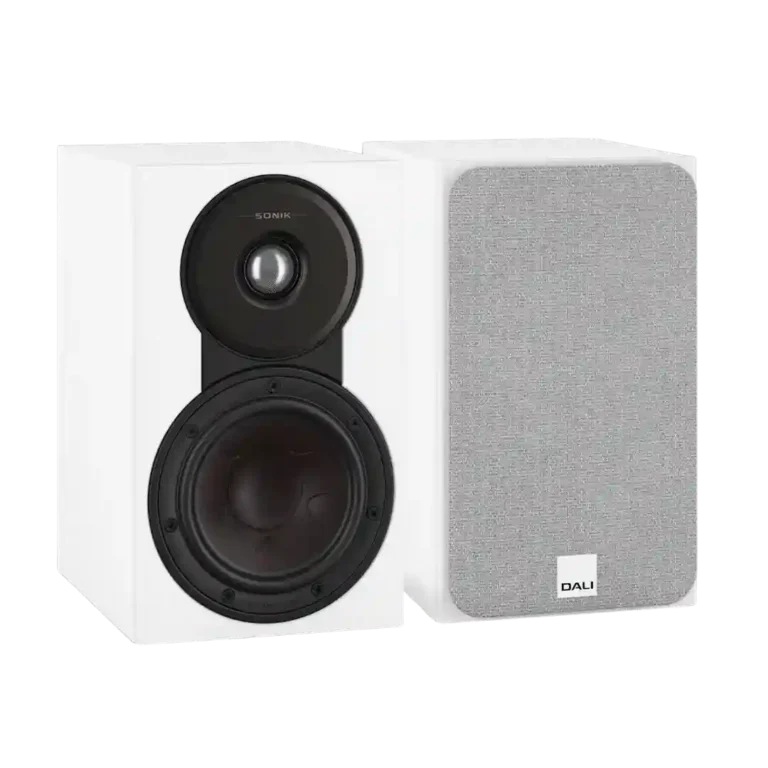
Choose the Sonik 1 for compact-room hi-fi with vivid vocals, punchy bass and precise imaging. Skip it if you need deep sub-bass, dislike forward treble, or cannot justify the steep US price.
Listeners building a refined stereo in a small or medium room who value vocals, imaging, lively dynamics and compact cabinets. It also suits first-time hi-fi buyers using a sensible integrated amplifier.
Deep-bass hunters, near-field desktop users wanting something smaller, or buyers who are sensitive to forward treble should look elsewhere. US shoppers on a strict budget may prefer Dali’s cheaper Kupid.
The Dali Sonik 1 combines compact dimensions with a surprisingly large, composed presentation. Reviewers consistently praise its vocal realism, fast bass, fine detail and stable imaging, while ordinary integrated amplifiers appear sufficient to make it sing. It suits small and medium rooms especially well and feels refined enough to compete above its entry-level position. The tradeoff is that the treble can lean slightly forward, the rear port rewards careful placement, and deep-bass listeners may want a larger model or subwoofer. Build and styling are widely admired, though the square-edged look is not universal. Value is strong at the UK price, but the $900 US price makes the cheaper Kupid a serious alternative.
Compared with other Bookshelf Speakers, this product is above average in Distortion at high volume, Small-room suitability, Dynamic headroom, near average in Detail retrieval, Cabinet construction / bracing, below average in Included accessories, Treble performance.
| Attribute | This product | Category average | Difference |
|---|---|---|---|
| Distortion at high volume | 5.0 | 3.8 | +1.2 |
| Small-room suitability | 4.9 | 4.1 | +0.7 |
| Included accessories | 3.3 | 4.0 | -0.8 |
| Dynamic headroom | 5.0 | 4.4 | +0.6 |
| Soundstage height | 4.5 | 3.9 | +0.6 |
| Treble performance | 4.0 | 4.5 | -0.5 |
| Vocal clarity | 4.9 | 4.4 | +0.5 |
| Loudness / maximum volume | 4.5 | 4.1 | +0.4 |
Choose Wharfedale Diamond 12.1i. It scores 5.0 vs 4.0 for Wired audio connectivity, with a 4.7 overall score.
Choose KEF LS50 Meta Passive Bookshelf Speakers. It scores 4.8 vs 4.3 for Cabinet construction / bracing, with a 4.1 overall score.
Choose Dali Kupid. It scores 5.0 vs 2.5 for Warranty coverage and support, with a 4.5 overall score.
Choose Cambridge L/R S. It scores 4.4 vs 4.0 for Treble performance, with a 4.3 overall score.
Products reviewers directly compared with this model, grouped into quick takeaways.
Bass is fast, punchy and fuller than the cabinet size suggests. It does not deliver the deepest weight, and the rear port contributes heavily to the low end.
No special amplifier was required in the supplied reviews. Common 50-60 watt integrated amplifiers drove them confidently.
They are best matched to small and medium rooms, including bedrooms, offices and compact living spaces. They can sound larger than expected, but may be excessive for close desktop listening.
Treble is detailed and generally refined, but several reviewers heard a slight forwardness. Toe-in, wall distance and amplifier character can affect how prominent the highs feel.
Setup is manageable, though the rear port and stereo image reward experimentation. One reviewer preferred slight toe-in and roughly 15-18 inches of wall clearance.
Most reviewers considered the sound and build excellent value, especially at the UK price. The $900 US price is harder to justify when Dali's cheaper Kupid is available.
These are a few of the reviews included in our analysis.

Explore why Dali Sonik 1 speakers deliver a surprising blend of power and finesse in a compact design.
The Dali Sonik 1 are crystal clear, fathoms deep and sound at least twice their size
Compare the DALI SONIK speaker range and find the right model for your system. Expert advice, FREE Next Day Delivery and Lowest Price...
A seven-strong range of speakers for hi-fi and home cinema
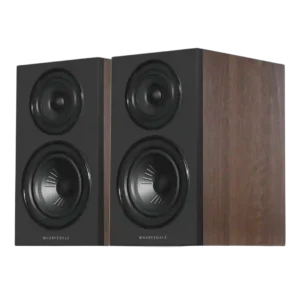
Choose the Diamond 12.1i for balanced, punchy hi-fi sound, strong bass and premium build at a budget price. Skip it if you mostly listen very quietly, need shallow-shelf placement, or...
Pros: Design and aesthetics, Music performance
Cons: Low-volume performance
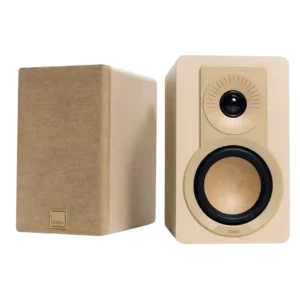
Choose the Kupid for lively, detailed sound in a desk or small-room system where compact size matters. Skip it if you need deep bass, huge-room output, or want to pair...
Pros: Bass performance, Value for money
Cons: Amplifier power requirements, Break-in period

Choose these if you want detailed, room-filling sound, excellent connectivity, and premium styling in a compact powered pair. Skip them if you need effortless remote control, native streaming services, HDMI...
Pros: Overall product quality, Overall sound quality
Cons: Remote control usability, Control button responsiveness

Choose the Coda W if you want big, precise stereo sound, strong bass, HDMI ARC and simple turntable/desktop connectivity without a separates stack. Skip it if built-in Wi-Fi/multi-room streaming, compact...
Pros: Stereo imaging accuracy, Aesthetic design / Finish options
Cons: Smart features, EQ customization