If you want better Cohesive presentation
Choose JBL Go 5. It scores 4.8 vs 1.0 for Cohesive presentation, with a 4.2 overall score.

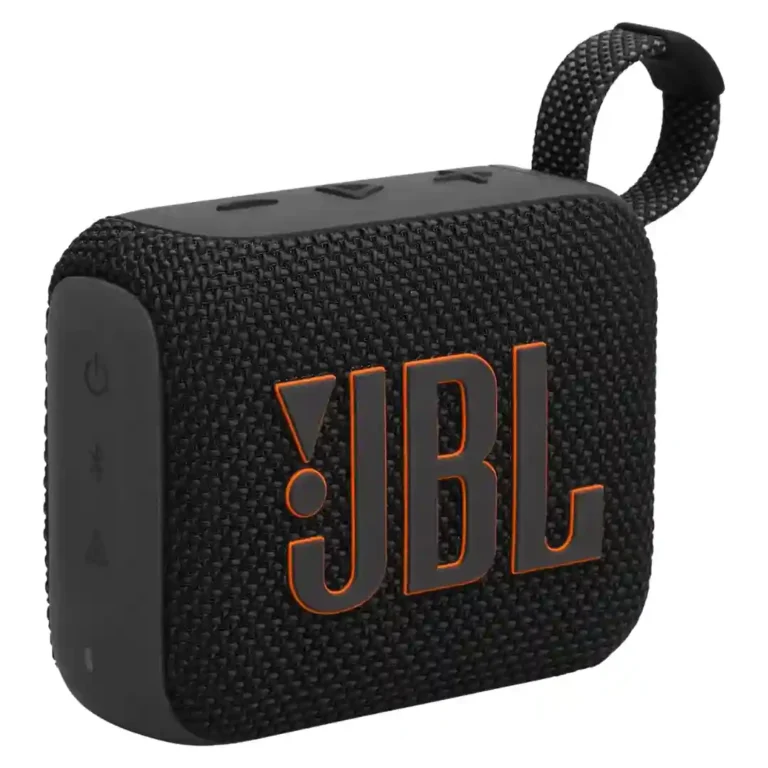
Choose the JBL Go 4 for an inexpensive, pocketable speaker that sounds lively, pairs easily, and shrugs off water and rough handling. Skip it if you need deep bass, all-day battery life, room-filling volume, calls, or wired audio.
It is best for travelers, students, hikers, beachgoers, and casual listeners who want an inexpensive speaker that disappears into a pocket or bag. It excels in personal spaces and small gatherings.
It is not for bass-focused listeners, large parties, all-day playback without charging, or anyone needing a microphone, voice assistant, Wi-Fi streaming, or wired audio.
The JBL Go 4 succeeds by focusing on portability, durability, and uncomplicated everyday listening. Reviewers consistently praise its palm-sized, lightweight build, IP67 protection, quick Bluetooth setup, useful app EQ, and surprisingly lively output for the price. It is at its best on a desk, in a hotel room, at the beach, or providing background music for a small group. The compromises are equally clear: deep bass is limited, the presentation is mono and directional unless two units are paired, and maximum volume cannot cover a large gathering. Battery results vary, with several users falling short of the advertised figure, while Playtime Boost extends playback by thinning the sound. For casual grab-and-go use under $50, its ruggedness and convenience outweigh those limitations.
Compared with other Portable Bluetooth Speakers, this product is above average in Bluetooth codec support, Weight convenience, Float capability, near average in Design and aesthetics, Stereo imaging accuracy, below average in Cohesive presentation, Soundstage height, Omnidirectional sound.
| Attribute | This product | Category average | Difference |
|---|---|---|---|
| Cohesive presentation | 1.0 | 4.4 | -3.4 |
| Soundstage height | 1.0 | 4.0 | -3.0 |
| Omnidirectional sound | 1.0 | 3.5 | -2.5 |
| Dynamic headroom | 2.0 | 4.3 | -2.3 |
| Voice assistant responsiveness | 2.0 | 4.0 | -2.0 |
| Bluetooth codec support | 5.0 | 3.0 | +2.0 |
| Status indicators | 2.0 | 3.9 | -1.9 |
| Wired audio connectivity | 1.7 | 3.3 | -1.7 |
Choose JBL Go 5. It scores 4.8 vs 1.0 for Cohesive presentation, with a 4.2 overall score.
Choose JBL Xtreme 4. It scores 5.0 vs 4.3 for Battery life (if portable), with a 4.1 overall score.
Choose JBL Clip 5 Bluetooth Speaker. It scores 4.7 vs 4.0 for Handle or strap quality, with a 4.2 overall score.
Choose Ultimate Ears Wonderboom 4 Speaker. It scores 4.6 vs 1.0 for Omnidirectional sound, with a 3.9 overall score.
Products reviewers directly compared with this model, grouped into quick takeaways.
Yes. Reviewers repeatedly confirm that its IP67 protection handles rain, splashes, beach use, and brief submersion without trouble.
Many reviewers report roughly five to seven hours, while some get longer and others fall short. Playtime Boost can extend playback, but it noticeably reduces bass and overall sound quality.
Bass is punchy for such a small speaker, especially with EQ adjustments, but deep low bass is limited and thins out as volume rises.
Yes. Two identical Go 4 speakers can form a true left-right stereo pair through the JBL Portable app; Auracast can also link compatible JBL models for wider mono coverage.
No. It cannot function as a speakerphone, and it has no 3.5mm input; the USB-C port is for charging only.
Yes. Reviewers value its five-band EQ, presets, battery display, firmware updates, Playtime Boost control, and speaker-grouping tools, although the app is fairly basic.
These are a few of the reviews included in our analysis.



The JBL Go 4's sound quality is pretty poor, compressed, and lacks clarity, especially at higher volumes. It's also tiny, waterproof, and...
Discover what’s new in the JBL Go 5 vs Go 4. From refreshed design to ambient lighting and improved battery life, is it worth the upgrade?
The JBL Go 5 and Go 4 are extremely similar speakers, but JBL added a few upgrades that may make the Go 5 worth it.
You want big sound. You want a small speaker. You want something you can toss in your bag without a second thought. The JBL Go 4 promises all...
JBL Go 4 Review- Sound quality, battery life, features, pros & cons. Find out if this compact Bluetooth speaker is worth buying.
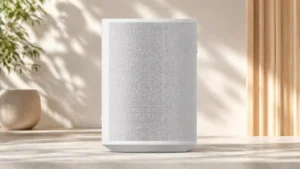
Best for rich, room-filling stereo sound, easy Sonos expansion and flexible Bluetooth/AirPlay playback. Skip it if Google Assistant, Dolby Atmos or true battery-powered portability is essential.
Pros: Bass performance, Overall sound quality
Cons: Google, Wired input
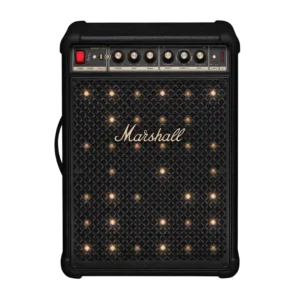
Best for powerful 360° sound, exceptional battery life, premium styling, and flexible mic/instrument inputs. Skip it if you want a light, inexpensive speaker or deep app-based control.
Pros: Battery life (if portable), Weight convenience
Cons: App reliability, Remote control usability
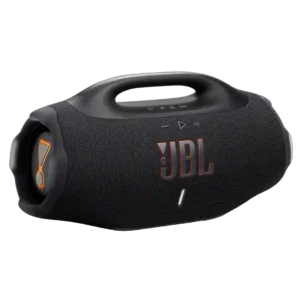
Choose the Boombox 4 if you want huge bass, extreme outdoor volume, long battery life, IP68 durability, and a replaceable battery in a carryable boombox. Skip it if price, lighter...
Pros: Overall satisfaction, Overall sound quality
Cons: Energy efficiency, Microphone
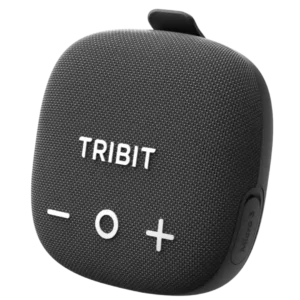
Choose the StormBox Micro 3 for rugged travel, magnetic mounting, long battery life, strong value, and surprisingly full sound. Skip it if you need premium codecs, aux input, refined detail,...
Pros: Magnetic mounting, Frequency response balance
Cons: Backwards compatibility, Distortion at high volume