Best for remote control
EcoFlow Delta 3 Plus Review
5.0 attribute score
Highest scored product for this attribute based on supporting review evidence.

Highest scored product for this attribute based on supporting review evidence.
Balances the attribute score, supporting reviews, and overall product strength.
Has the broadest review evidence for this attribute.
Strongest overall product among items with scored evidence for this attribute.
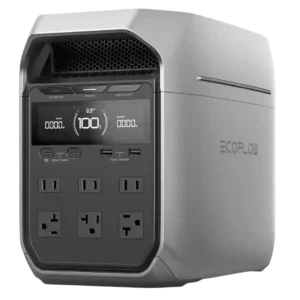
Users can switch output groups, adjust charging, set battery limits, and manage generator or alternator behavior from the app.
Pros: overall product satisfaction, solar panel compatibility
Cons: long-term reliability, standby power loss
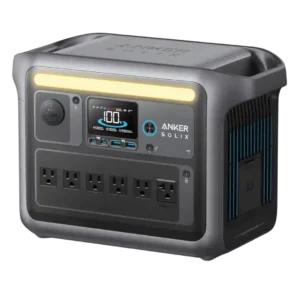
The app can switch outputs, adjust charging wattage, manage timers, and control the light without touching the unit.
Pros: overall product satisfaction, runtime
Cons: noise level, weight
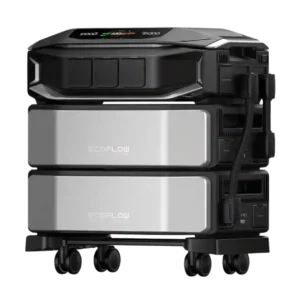
Smart Home Panel users can remotely turn circuits on or off and manage priorities, giving the system much more control than a simple battery connected to a manual transfer switch.
Pros: power output, home backup capability
Cons: AC outlet count, UPS functionality
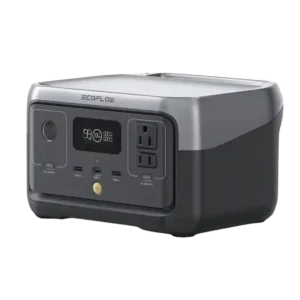
AC and DC outputs can be switched from the app, adding convenience for installations and backup setups.
Pros: overall product satisfaction, AC charging speed
Cons: runtime, high-demand appliance support
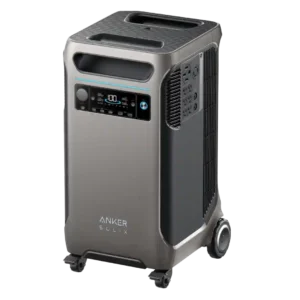
The app can switch outlet banks, change settings, and manage the station without using the front panel.
Pros: overall product satisfaction, home backup capability
Cons: value for money, weight
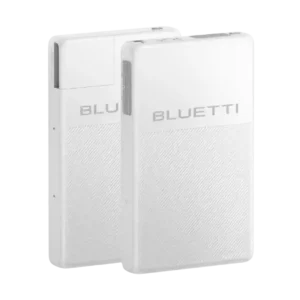
The app can remotely wake and manage the hidden unit, which is convenient for fixed installations.
Pros: overall product satisfaction, runtime
Cons: weight, DC output
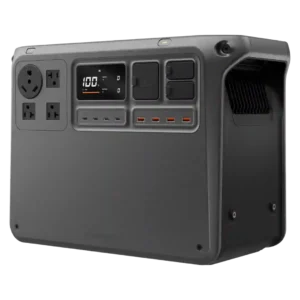
Phone controls provide useful remote access to outlets and operating settings.
Pros: noise level, power output
Cons: weight, accessory ecosystem
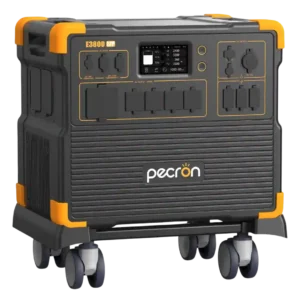
Reviewers generally view remote control positively where discussed, with the comments reflecting real-world use rather than specifications alone.
Pros: overall product satisfaction, value for money
Cons: weight, app quality
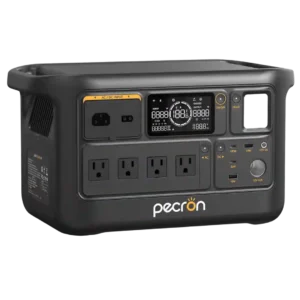
App-based switching can turn outputs on from a distance while leaving the main unit ready without keeping the inverter idling unnecessarily.
Pros: overall product satisfaction, load handling
Cons: battery expandability, long-term reliability
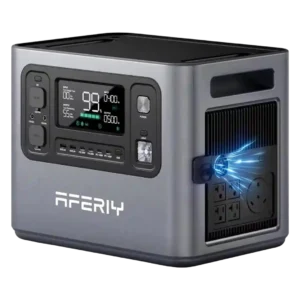
The app can switch AC, DC, USB, and lighting functions and adjust charging behavior, useful when the station is installed out of reach.
Pros: overall product satisfaction, battery expandability
Cons: weight, built-in light
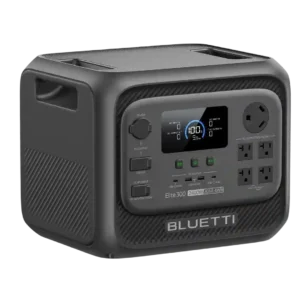
App controls make it easy to switch outputs and adjust settings from bed, another room, or a remote installation.
Pros: compactness, load handling
Cons: weight, battery expandability
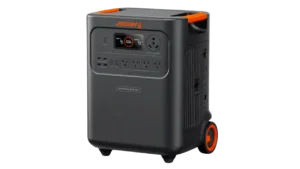
Remote control through the app gives owners convenient access to charging modes and system settings.
Pros: overall product satisfaction, portability
Cons: weight, solar charging speed
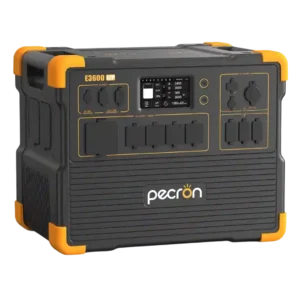
The app can remotely switch AC and DC outputs and adjust key settings, though the touchscreen is often preferred.
Pros: overall product satisfaction, value for money
Cons: long-term reliability, noise level
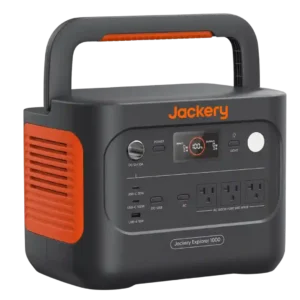
The app can switch outputs, lights, timeouts, and charge modes from a distance, reducing the need to reach a tucked-away unit.
Pros: overall product satisfaction, AC charging speed
Cons: solar panel compatibility, solar cable compatibility
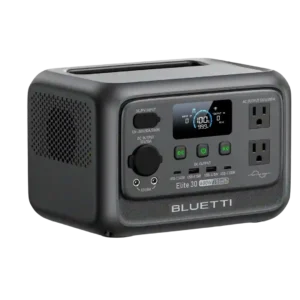
Owners can switch AC and DC outputs, change modes, and adjust settings from a phone. That is especially convenient when the station is installed under a desk or in a...
Pros: value for money, portability
Cons: battery capacity, standby power loss
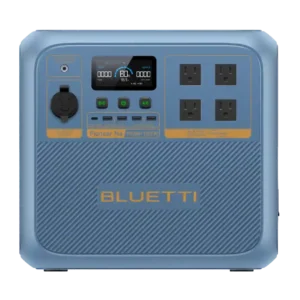
The app makes it easy to toggle outputs, change charging modes, and adjust settings from nearby.
Pros: overall product satisfaction, cold-weather performance
Cons: value for money, weight
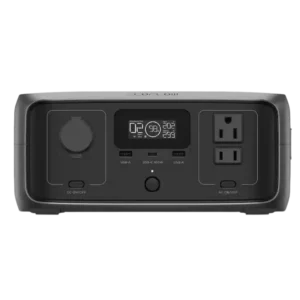
Charging limits, output sections, schedules, and timeouts can be adjusted remotely through the app.
Pros: overall product satisfaction, portability
Cons: specification accuracy, display readability
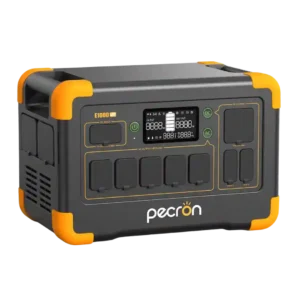
App control makes it convenient to switch outputs and manage the station without standing next to it.
Pros: overall product satisfaction, value for money
Cons: standby power loss, surge capacity
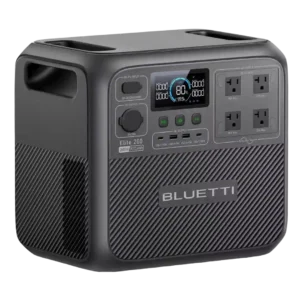
Remote output control is convenient, but some functions require the app and a few owners wanted more direct or reliable control.
Pros: overall product satisfaction, value for money
Cons: weight, battery expandability
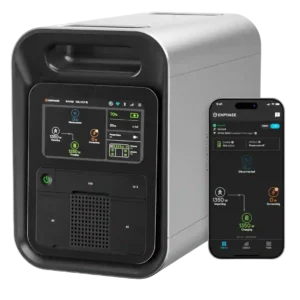
Remote control ranges from genuinely useful to frustratingly limited. Basic settings are available, but some testers found most meaningful functions duplicated on the touchscreen.
Pros: display quality, overall product satisfaction
Cons: solar charging speed, weight
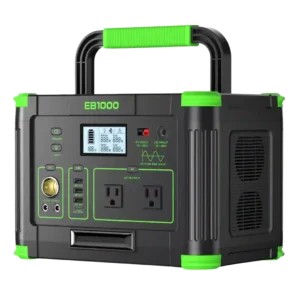
Remote control is absent, requiring all switching and checks to be handled directly from the front panel.
Pros: overall product satisfaction, value for money
Cons: long-term reliability, recharge speed
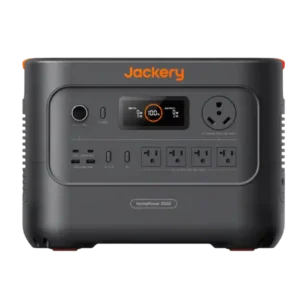
Remote switching works, although one test found commands laggy and slow to confirm.
Pros: high-demand appliance support, overall product satisfaction
Cons: accessory ecosystem, charging input compatibility
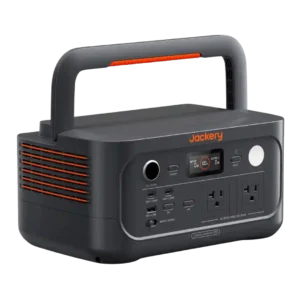
There is no app-based remote control, which connected-power-station users may miss.
Pros: overall product satisfaction, compactness
Cons: high-demand appliance support, app connectivity