#1
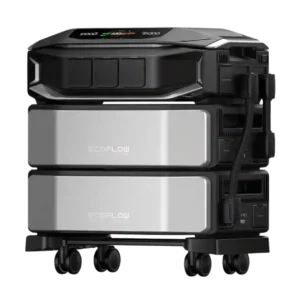
Smart Home Panel users can remotely turn circuits on or off and manage priorities, giving the system much more control than a simple battery connected to a manual transfer switch.
Pros: output stability, voltage regulation
Cons: solar cable compatibility, UPS functionality
#2
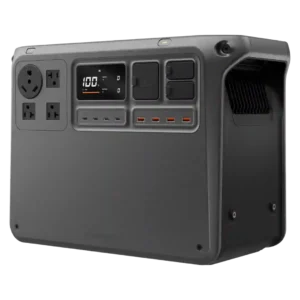
Phone controls provide useful remote access to outlets and operating settings.
Pros: rated output, peak output
Cons: startup reliability, full-load noise
#3
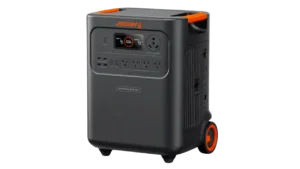
Remote control through the app gives owners convenient access to charging modes and system settings.
Pros: output stability, voltage regulation
Cons: DC output, 12-volt outlet
#4
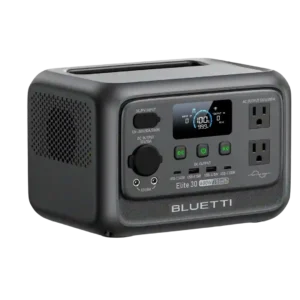
Owners can switch AC and DC outputs, change modes, and adjust settings from a phone. That is especially convenient when the station is installed under a desk or in a...
Pros: rated output, output stability
Cons: over-voltage protection, cold-weather performance
#5
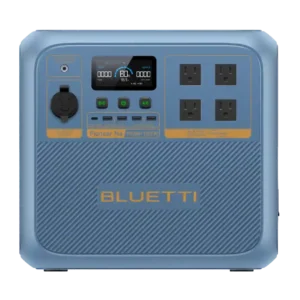
The app makes it easy to toggle outputs, change charging modes, and adjust settings from nearby.
Pros: pure sine wave output, startup performance
Cons: MPPT controller performance, battery expandability
#6
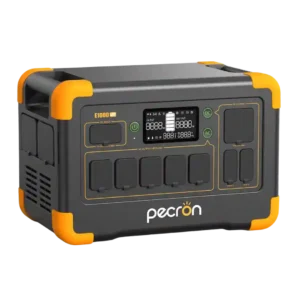
App control makes it convenient to switch outputs and manage the station without standing next to it.
Pros: inverter quality, LiFePO4 battery
Cons: idle noise, built-in light
#7
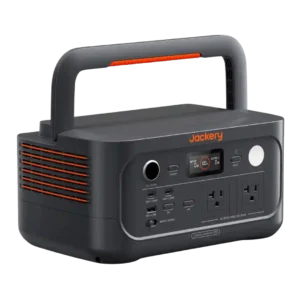
There is no app-based remote control, which connected-power-station users may miss.
Pros: output stability, pure sine wave output
Cons: remaining runtime estimate, Bluetooth connectivity
