Best for remaining runtime estimate
Anker Solix C1000
5.0 attribute score
Highest scored product for this attribute based on supporting review evidence.

Highest scored product for this attribute based on supporting review evidence.
Balances the attribute score, supporting reviews, and overall product strength.
Has the broadest review evidence for this attribute.
Strongest overall product among items with scored evidence for this attribute.
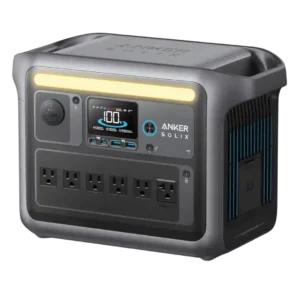
The live estimate helps users decide which loads to keep running and how soon they need to recharge.
Pros: overall product satisfaction, runtime
Cons: noise level, weight
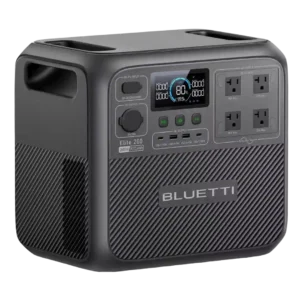
The live time-remaining estimate helps users decide which appliances to keep running and when to recharge.
Pros: overall product satisfaction, value for money
Cons: weight, battery expandability
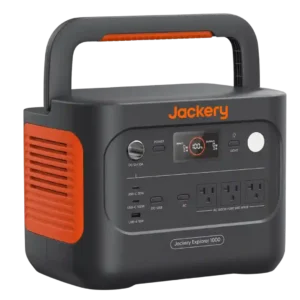
The live runtime estimate is practical and helps users decide which devices to keep connected during limited-power situations.
Pros: overall product satisfaction, AC charging speed
Cons: solar panel compatibility, solar cable compatibility
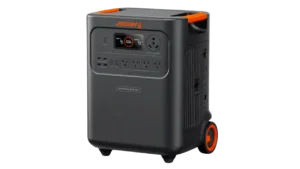
Runtime estimation was praised for being realistic, particularly Jackery’s usage calculator that accounts for efficiency and idle draw.
Pros: overall product satisfaction, portability
Cons: weight, solar charging speed
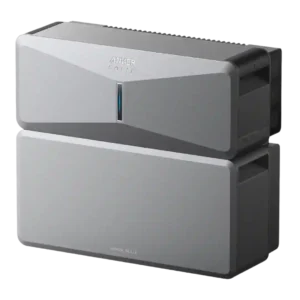
The app's live remaining-runtime estimate is a practical outage tool, giving owners a direct view of how long their current load can be supported.
Pros: ease of setup, overall product satisfaction
Cons: display quality, accessory ecosystem
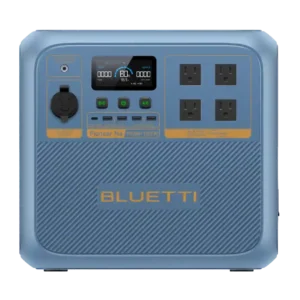
The display's runtime estimate is praised as accurate and easy to read alongside live input and output information.
Pros: overall product satisfaction, cold-weather performance
Cons: value for money, weight
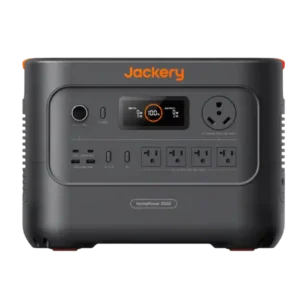
Estimated runtime in the app helps users judge how long the connected setup can continue operating.
Pros: high-demand appliance support, overall product satisfaction
Cons: accessory ecosystem, charging input compatibility
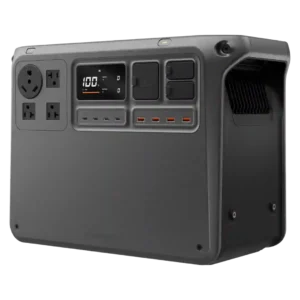
Runtime estimates were useful and generally accurate, helping users plan loads and charging.
Pros: noise level, power output
Cons: weight, accessory ecosystem
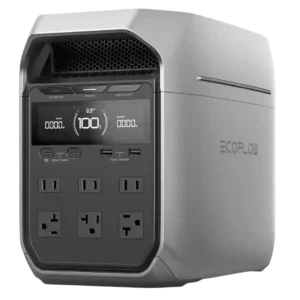
The time estimate is useful for planning, though it can shift substantially when cycling appliances such as refrigerators turn on and off.
Pros: overall product satisfaction, solar panel compatibility
Cons: long-term reliability, standby power loss
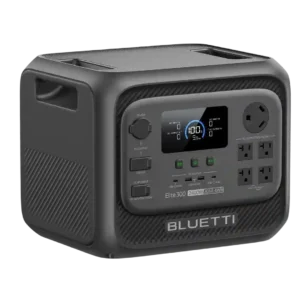
The display and app provide useful estimates of remaining runtime, helping users judge whether a load can stay connected.
Pros: compactness, load handling
Cons: weight, battery expandability
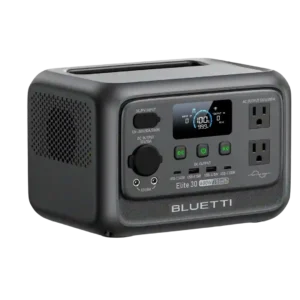
The runtime estimate gives useful planning guidance and matched a diesel-heater test well enough to inspire confidence.
Pros: value for money, portability
Cons: battery capacity, standby power loss
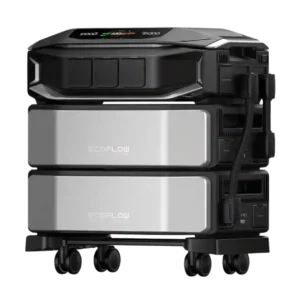
The app's estimated remaining autonomy is part of a broader data view that one reviewer particularly likes, helping owners understand how long the current battery configuration may last.
Pros: power output, home backup capability
Cons: AC outlet count, UPS functionality
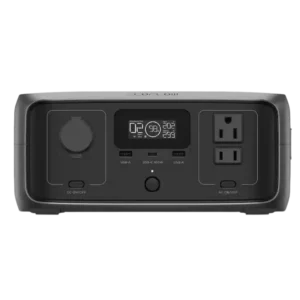
The remaining-time estimate is useful for planning and often tracks real use reasonably well.
Pros: overall product satisfaction, portability
Cons: specification accuracy, display readability
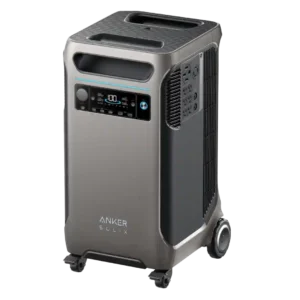
The display adjusts remaining-time estimates as loads change and is usually helpful, though unusual charging setups can produce unrealistic figures.
Pros: overall product satisfaction, home backup capability
Cons: value for money, weight
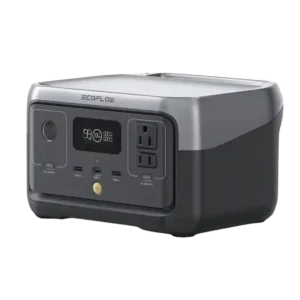
The time estimate is useful and tracked charging closely in some tests, though another reviewer found such estimates inherently unreliable.
Pros: overall product satisfaction, AC charging speed
Cons: runtime, high-demand appliance support
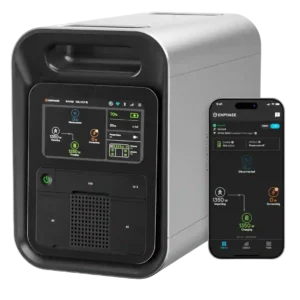
The screen adjusts its remaining-time estimate to the current load and presents it in minutes, hours, or days.
Pros: display quality, overall product satisfaction
Cons: solar charging speed, weight
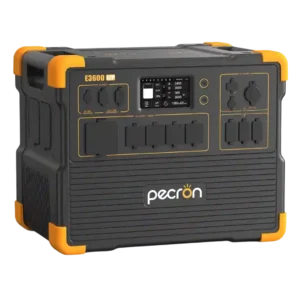
The on-screen runtime estimate proved useful during home-backup use, giving a clear sense of remaining hours.
Pros: overall product satisfaction, value for money
Cons: long-term reliability, noise level
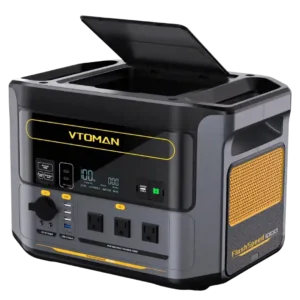
Most units show time remaining, which users find very helpful, but one reviewer reported only a battery percentage with no hours-left estimate.
Pros: overall product satisfaction, AC charging speed
Cons: weight, display readability
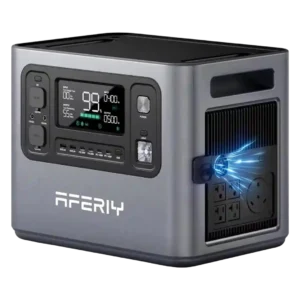
The screen’s runtime estimate is helpful early in a discharge but became significantly inaccurate near empty in one test.
Pros: overall product satisfaction, battery expandability
Cons: weight, built-in light

The runtime estimate becomes unreliable with refrigerators because compressors cycle on and off. Treat the displayed number as a rough snapshot, not a dependable outage forecast.
Pros: overall product satisfaction, runtime
Cons: weight, DC output
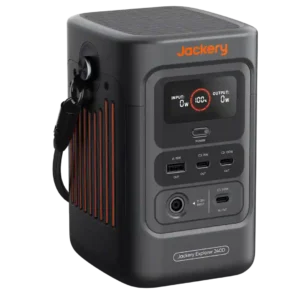
The display's biggest information gap is the lack of a dependable time-remaining estimate. Users must infer runtime from wattage and capacity.
Pros: value for money, compactness
Cons: high-demand appliance support, AC outlet count
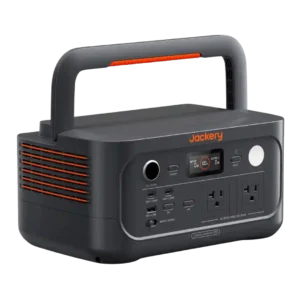
The display does not show remaining hours or minutes, a significant usability omission during backup use.
Pros: overall product satisfaction, compactness
Cons: high-demand appliance support, app connectivity
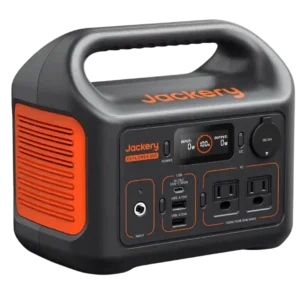
The display’s lack of time-to-empty and time-to-full estimates is a recurring weakness and makes planning less convenient.
Pros: overall product satisfaction, portability
Cons: high-demand appliance support, home backup capability