Best for rated output
Anker Solix C1000
5.0 attribute score
Highest scored product for this attribute based on supporting review evidence.

Highest scored product for this attribute based on supporting review evidence.
Balances the attribute score, supporting reviews, and overall product strength.
Has the broadest review evidence for this attribute.
Strongest overall product among items with scored evidence for this attribute.
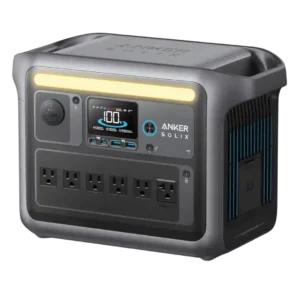
A continuous rating around 1,800W covers most single household appliances and many tool loads, though not every large appliance at once.
Pros: overall product satisfaction, runtime
Cons: noise level, weight
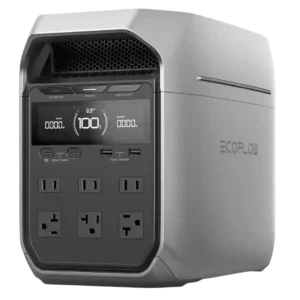
The continuous 1,800W rating covers most common household and camping loads, and owners generally find it generous for a unit this size.
Pros: overall product satisfaction, solar panel compatibility
Cons: long-term reliability, standby power loss
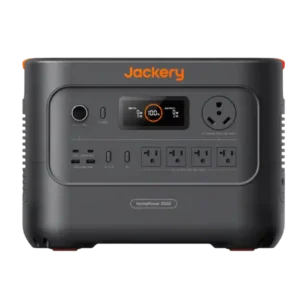
The 3,600W rated output feels unusually strong for such a compact station and comfortably sustains demanding household and professional loads.
Pros: high-demand appliance support, overall product satisfaction
Cons: accessory ecosystem, charging input compatibility
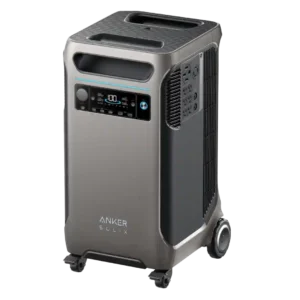
Multiple reviewers confirmed that the station can genuinely sustain its 6,000W continuous rating.
Pros: overall product satisfaction, home backup capability
Cons: value for money, weight
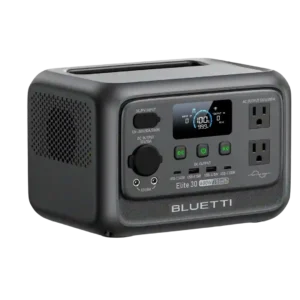
The 600W continuous rating is a meaningful upgrade over many similarly sized stations. It gives the unit enough headroom for real work rather than phone charging alone.
Pros: value for money, portability
Cons: battery capacity, standby power loss
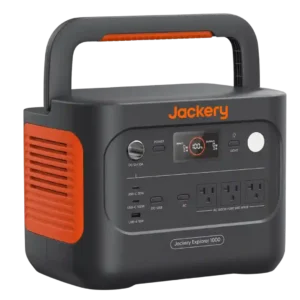
Sustained 1,500W delivery is repeatedly confirmed as a meaningful upgrade over the original model.
Pros: overall product satisfaction, AC charging speed
Cons: solar panel compatibility, solar cable compatibility
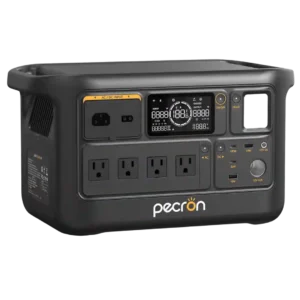
Rated 1,500W output is well supported by testing, including sustained loads at or slightly above the nominal limit without immediate problems.
Pros: overall product satisfaction, load handling
Cons: battery expandability, long-term reliability
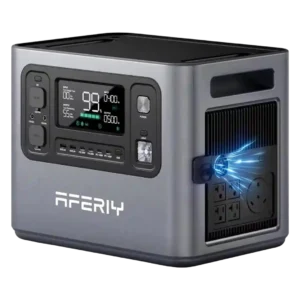
The P280 sustained its full 2,800W rated load for 15 minutes without shutting down.
Pros: overall product satisfaction, battery expandability
Cons: weight, built-in light
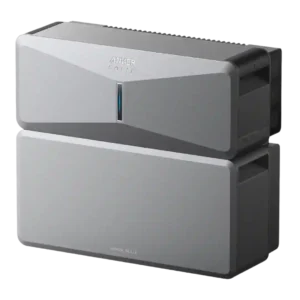
The E10 sustained its rated 7.6kW-class output without issue in testing before reviewers moved on to much higher surge loads.
Pros: ease of setup, overall product satisfaction
Cons: display quality, accessory ecosystem
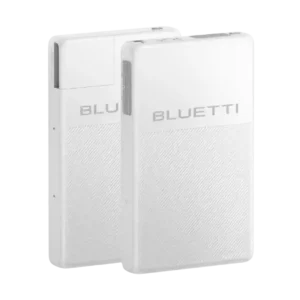
The unit sustained its full 1,800W rating for an extended test without shutting down. That supports its claim for demanding household loads.
Pros: overall product satisfaction, runtime
Cons: weight, DC output
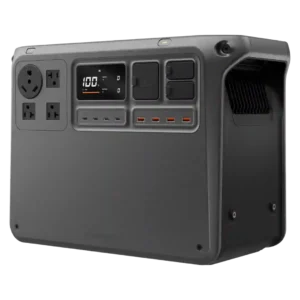
Testing confirmed that the station can sustain its advertised 3,000W rating without shutting down.
Pros: noise level, power output
Cons: weight, accessory ecosystem
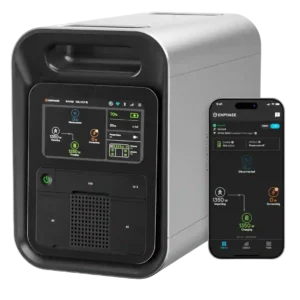
The inverter sustained roughly its 1,500 W rating for ten minutes without shutting down.
Pros: display quality, overall product satisfaction
Cons: solar charging speed, weight
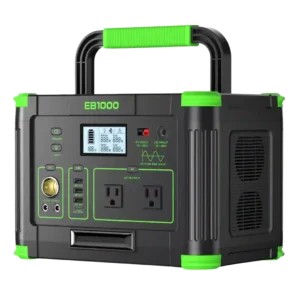
The station reaches its 1000W continuous rating in bench testing, so the headline output is usable rather than merely theoretical.
Pros: overall product satisfaction, value for money
Cons: long-term reliability, recharge speed
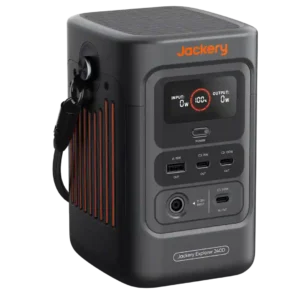
The 200W total rating is considered impressive for such a small station. It is ample for several personal electronics, but not high-wattage appliances.
Pros: value for money, compactness
Cons: high-demand appliance support, AC outlet count
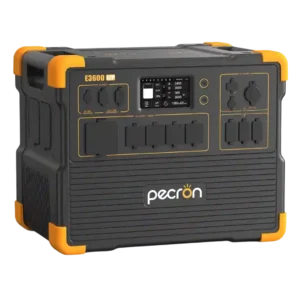
The station can sustain its full 3,600-watt rating in demanding use, including long high-load tests.
Pros: overall product satisfaction, value for money
Cons: long-term reliability, noise level
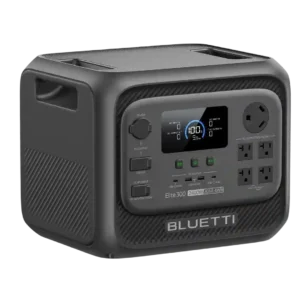
Several tests sustained the full rated load without shutdown, though one long-duration test exposed instability close to empty.
Pros: compactness, load handling
Cons: weight, battery expandability
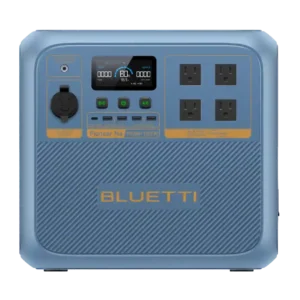
The 1,500W inverter generally meets its continuous rating and can sustain demanding loads, but users should respect the limit for high-inrush tools.
Pros: overall product satisfaction, cold-weather performance
Cons: value for money, weight
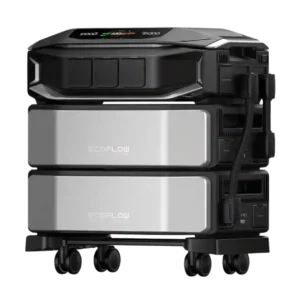
A high-load test ran the system at roughly 11.8kW without obvious thermal or acoustic problems, supporting confidence that the 12kW-class inverter can sustain very demanding loads.
Pros: power output, home backup capability
Cons: AC outlet count, UPS functionality
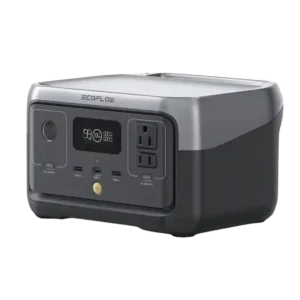
Hands-on tests show it can sustain roughly its 300W rating, while higher loads depend on X-Boost and reduced performance.
Pros: overall product satisfaction, AC charging speed
Cons: runtime, high-demand appliance support
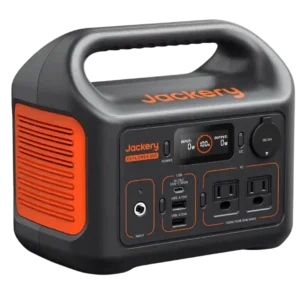
The 300W continuous rating is a hard ceiling in practice, so buyers need to check appliance draw carefully.
Pros: overall product satisfaction, portability
Cons: high-demand appliance support, home backup capability