Best for operating cost
EcoFlow Delta Pro Ultra
5.0 attribute score
Highest scored product for this attribute based on supporting review evidence.

Highest scored product for this attribute based on supporting review evidence.
Balances the attribute score, supporting reviews, and overall product strength.
Has the broadest review evidence for this attribute.
Strongest overall product among items with scored evidence for this attribute.
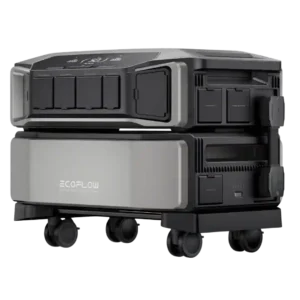
Owners value the ability to cut grid use, avoid generator fuel, reduce maintenance, and shift consumption to cheaper electricity periods. Several report meaningful savings in normal use.
Pros: overall product satisfaction, value for money
Cons: customer support, shipping speed
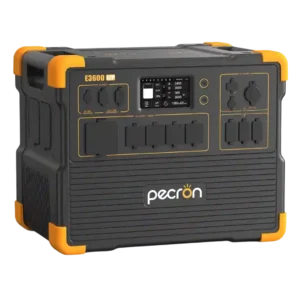
Owners using solar and generator-assisted charging reported substantial reductions in electricity and fuel costs.
Pros: overall product satisfaction, value for money
Cons: long-term reliability, noise level
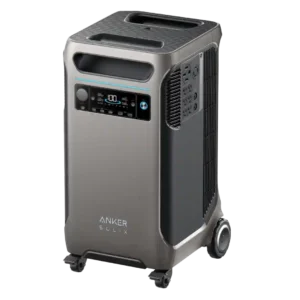
With solar and scheduled battery use, the system can reduce reliance on high-priced grid electricity and create everyday savings.
Pros: overall product satisfaction, home backup capability
Cons: value for money, weight
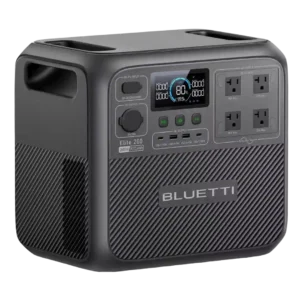
Using solar and stored electricity can reduce generator fuel use and lower the cost of keeping essential devices running off-grid.
Pros: overall product satisfaction, value for money
Cons: weight, battery expandability
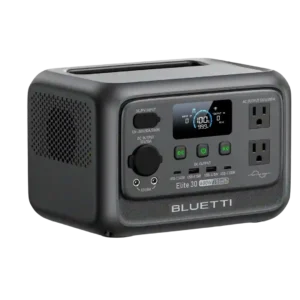
Long-lived LiFePO4 cells can cost less over time than a lead-acid UPS that needs replacement batteries every few years.
Pros: value for money, portability
Cons: battery capacity, standby power loss
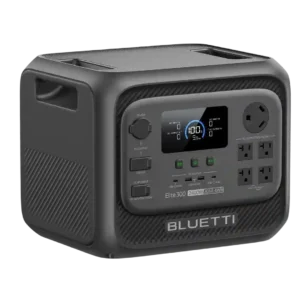
Long battery life produces very low estimated lifetime storage costs, strengthening the case for regular rather than emergency-only use.
Pros: compactness, load handling
Cons: weight, battery expandability
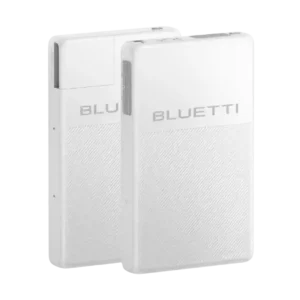
Time-of-use scheduling and solar charging can reduce electricity expense, especially where peak rates are high.
Pros: overall product satisfaction, runtime
Cons: weight, DC output
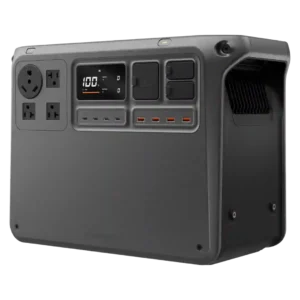
Charging at off-peak electricity rates can reduce daily energy costs for users who cycle the station regularly.
Pros: noise level, power output
Cons: weight, accessory ecosystem
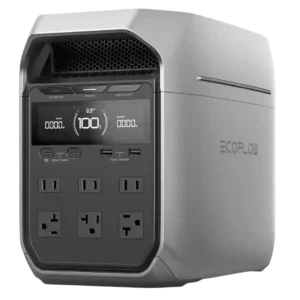
Using surplus daytime solar and time-of-use schedules can reduce grid purchases and improve payback.
Pros: overall product satisfaction, solar panel compatibility
Cons: long-term reliability, standby power loss
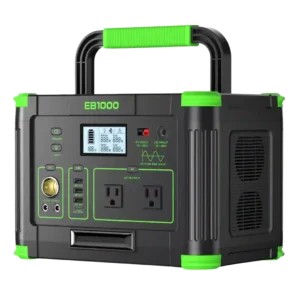
Charging during off-peak hours and using stored energy during peak pricing can reduce daily electricity costs for light household loads.
Pros: overall product satisfaction, value for money
Cons: long-term reliability, recharge speed
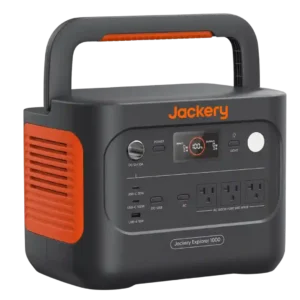
Charging from the grid costs very little and avoids the recurring fuel and maintenance expenses of an engine generator.
Pros: overall product satisfaction, AC charging speed
Cons: solar panel compatibility, solar cable compatibility
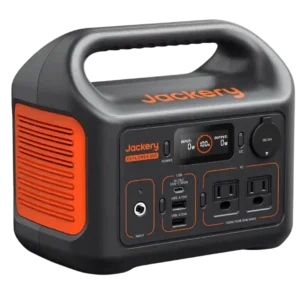
Once paired with solar, day-to-day operation can be effectively fuel-free and very inexpensive.
Pros: overall product satisfaction, portability
Cons: high-demand appliance support, home backup capability
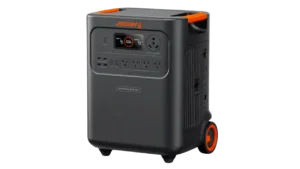
One review argued that the long cycle life improves cost per cycle compared with shorter-lived competing batteries.
Pros: overall product satisfaction, portability
Cons: weight, solar charging speed
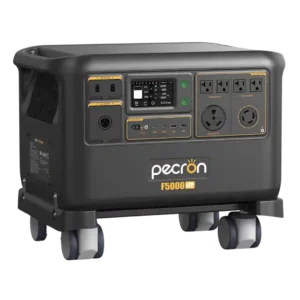
One reviewer sees solar-driven daily use as a way to cut grid electricity costs enough for the system to earn back part of its purchase price. The economics improve when...
Pros: overall product satisfaction, value for money
Cons: weight, wheel quality
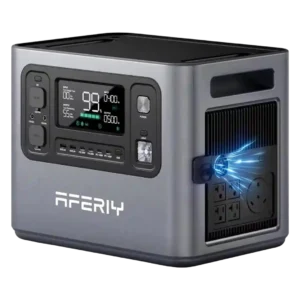
Scheduled charging can take advantage of off-peak electricity, while solar use and low idle draw can reduce the cost of running household or mobile equipment.
Pros: overall product satisfaction, battery expandability
Cons: weight, built-in light
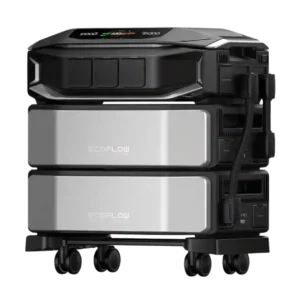
Time-of-use charging and solar can reduce ongoing electricity costs in favorable rate structures. Reviewers see real savings potential, although the large upfront purchase price still dominates the economics.
Pros: power output, home backup capability
Cons: AC outlet count, UPS functionality
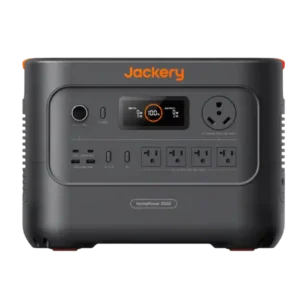
Off-peak charging and stored solar energy can lower operating costs, while a full wall recharge remains relatively inexpensive.
Pros: high-demand appliance support, overall product satisfaction
Cons: accessory ecosystem, charging input compatibility
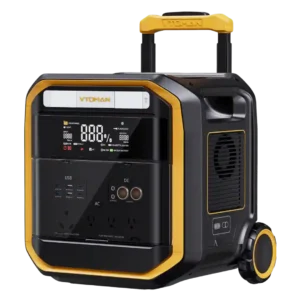
Charging during cheap overnight electricity periods or from solar could reduce day-to-day energy costs over time.
Pros: overall product satisfaction, recharge speed
Cons: weight, lifting ease
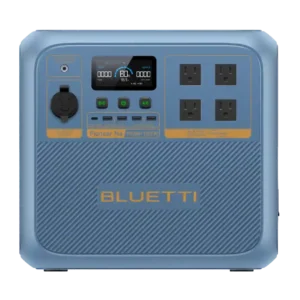
Long-term ownership economics look favorable when cycle life is considered, with reviewers citing strong lifetime value and favorable cost-per-cycle math.
Pros: overall product satisfaction, cold-weather performance
Cons: value for money, weight
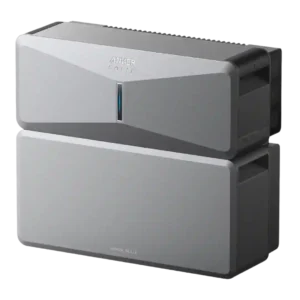
Time-of-use shifting can reduce energy costs substantially in the right rate plan, but the economics are highly utility-dependent; one NEM2 user saw little annual savings despite strong month-to-month results.
Pros: ease of setup, overall product satisfaction
Cons: display quality, accessory ecosystem
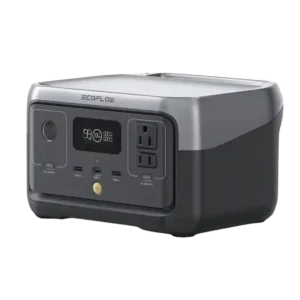
One analysis judged lifetime stored-energy cost reasonable for the unit's small size, especially when bought on sale.
Pros: overall product satisfaction, AC charging speed
Cons: runtime, high-demand appliance support