Best for materials quality
EcoFlow Delta 3 Plus Review
5.0 attribute score
Highest scored product for this attribute based on supporting review evidence.

Highest scored product for this attribute based on supporting review evidence.
Balances the attribute score, supporting reviews, and overall product strength.
Has the broadest review evidence for this attribute.
Strongest overall product among items with scored evidence for this attribute.
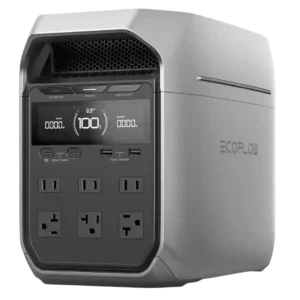
Plastics, handles, port covers, and controls generally feel substantial and durable rather than cheap.
Pros: overall product satisfaction, solar panel compatibility
Cons: long-term reliability, standby power loss
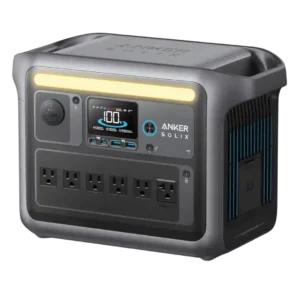
Reviewers describe heavy-duty plastic, an aluminum frame, and industrial-grade electronics rather than cheap or flimsy parts.
Pros: overall product satisfaction, runtime
Cons: noise level, weight
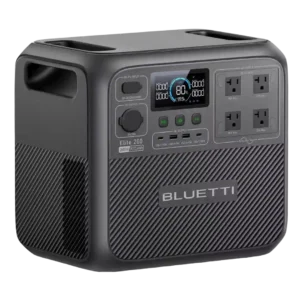
Thick ABS, solid buttons, reinforced handles, and sturdy ports give the unit a premium, durable feel.
Pros: overall product satisfaction, value for money
Cons: weight, battery expandability
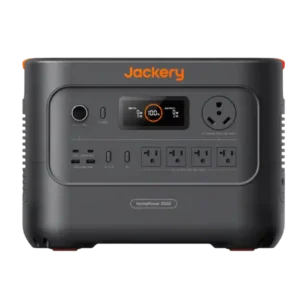
The enclosure materials feel robust, while the integrated cell-to-body construction adds structural strength without excess bulk.
Pros: high-demand appliance support, overall product satisfaction
Cons: accessory ecosystem, charging input compatibility
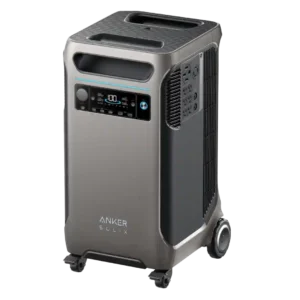
Construction feels premium and substantial, matching the unit’s heavy-duty home-backup role.
Pros: overall product satisfaction, home backup capability
Cons: value for money, weight
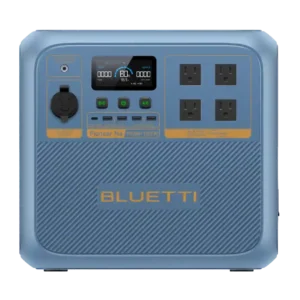
A teardown found quality copper interconnects, capacitors, and internal components rather than budget-grade parts.
Pros: overall product satisfaction, cold-weather performance
Cons: value for money, weight
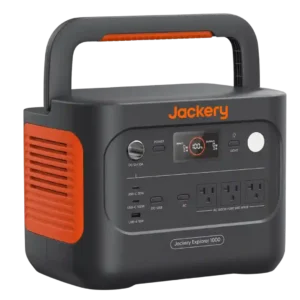
High-grade cells and well-finished components give the station a premium, durable feel.
Pros: overall product satisfaction, AC charging speed
Cons: solar panel compatibility, solar cable compatibility
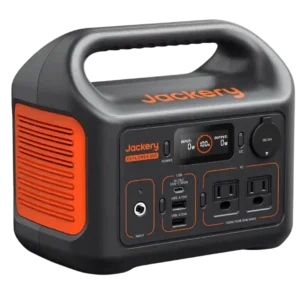
Materials were described as tough and durable, with practical plastics and well-finished controls rather than luxury construction.
Pros: overall product satisfaction, portability
Cons: high-demand appliance support, home backup capability
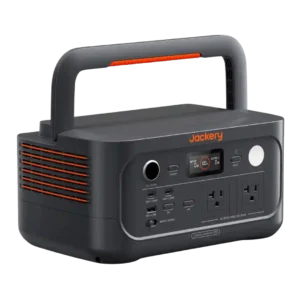
The finished plastic exterior and integrated handle give the unit a premium, well-made feel.
Pros: overall product satisfaction, compactness
Cons: high-demand appliance support, app connectivity
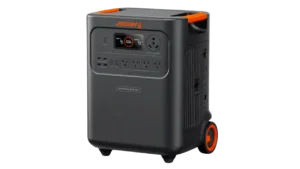
Materials and construction feel substantial, with reinforced corners and a solid enclosure contributing to a premium impression.
Pros: overall product satisfaction, portability
Cons: weight, solar charging speed
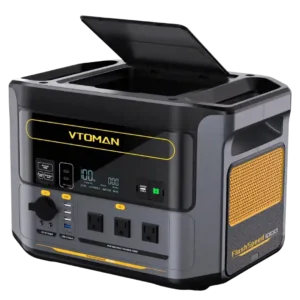
The plastics and structural surfaces feel solid and substantial rather than cheap, with a flat top sturdy enough for tools or occasional seating.
Pros: overall product satisfaction, AC charging speed
Cons: weight, display readability
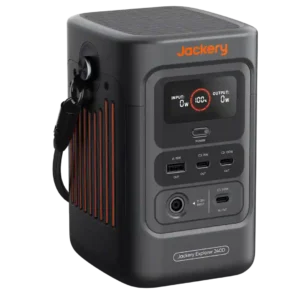
The exterior design and hardware are generally well liked, with sturdy cable mounts and a cleaner look than older orange-heavy Jackery styling.
Pros: value for money, compactness
Cons: high-demand appliance support, AC outlet count
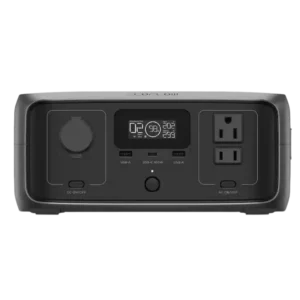
Reviewers describe the plastics and finish as robust and well fitted rather than flimsy.
Pros: overall product satisfaction, portability
Cons: specification accuracy, display readability
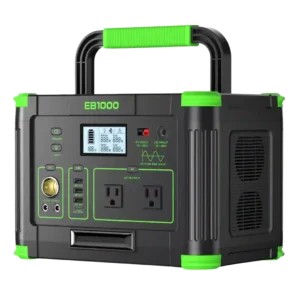
Tough, lightweight plastic keeps weight manageable while still handling normal bumps and jobsite use well.
Pros: overall product satisfaction, value for money
Cons: long-term reliability, recharge speed
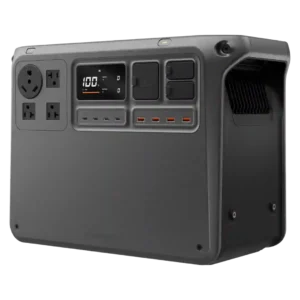
The outer shell and components feel substantial rather than cheap.
Pros: noise level, power output
Cons: weight, accessory ecosystem
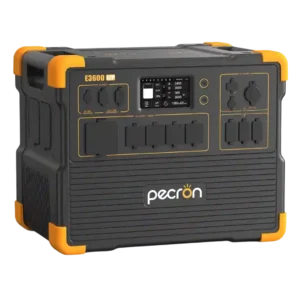
The plastic shell feels sturdy rather than flimsy, supporting the product’s tank-like impression.
Pros: overall product satisfaction, value for money
Cons: long-term reliability, noise level
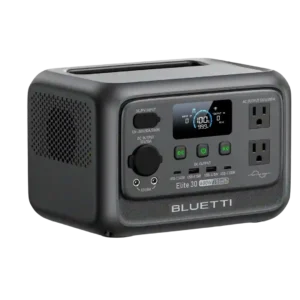
The dense, sturdy feel communicates good material quality, though one owner reported a strong initial off-gassing odor that required airing out.
Pros: value for money, portability
Cons: battery capacity, standby power loss
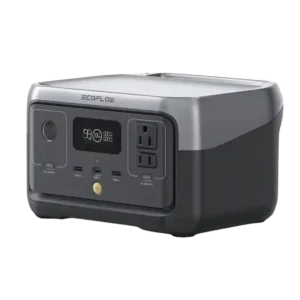
External materials feel solid, but one teardown found inconsistent conformal coating and unsupported internal components.
Pros: overall product satisfaction, AC charging speed
Cons: runtime, high-demand appliance support
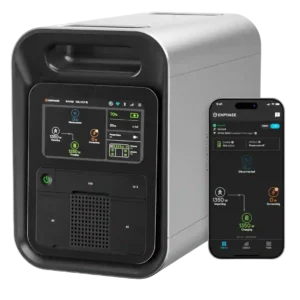
Material impressions range from premium internal engineering to disappointingly thin exterior plastics.
Pros: display quality, overall product satisfaction
Cons: solar charging speed, weight
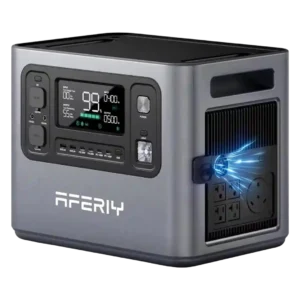
Most of the chassis feels sturdy, but the faux-chrome power button was singled out as less rugged and confidence-inspiring than premium competitors.
Pros: overall product satisfaction, battery expandability
Cons: weight, built-in light
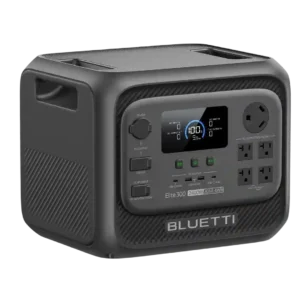
The housing feels solid, but one review called the control buttons cheap-looking and criticized their loud click.
Pros: compactness, load handling
Cons: weight, battery expandability
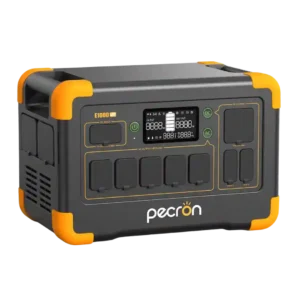
Compared directly with EcoFlow, the Pecron's plastics feel less premium and contribute to its more utilitarian presentation.
Pros: overall product satisfaction, value for money
Cons: standby power loss, surge capacity
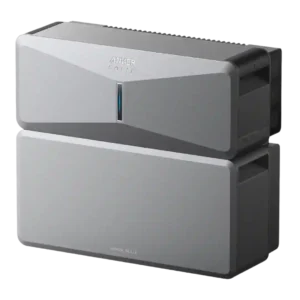
A weak spot is the battery handle construction: plastic handles and cheap-looking riveted hardware disappointed one hands-on tester.
Pros: ease of setup, overall product satisfaction
Cons: display quality, accessory ecosystem
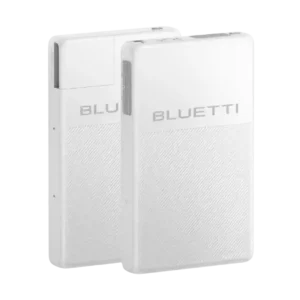
The slim shell uses lighter, thinner plastics than many rugged power stations. It looks clean indoors but does not inspire confidence for rough handling.
Pros: overall product satisfaction, runtime
Cons: weight, DC output