Best for energy usage tracking
EcoFlow Delta 3 Plus Review
5.0 attribute score
Highest scored product for this attribute based on supporting review evidence.

Highest scored product for this attribute based on supporting review evidence.
Balances the attribute score, supporting reviews, and overall product strength.
Has the broadest review evidence for this attribute.
Strongest overall product among items with scored evidence for this attribute.
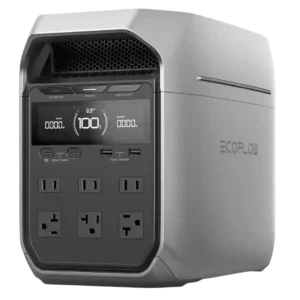
Historical graphs, electricity-rate settings, and live draw data help owners understand consumption and use stored solar more strategically.
Pros: overall product satisfaction, solar panel compatibility
Cons: long-term reliability, standby power loss
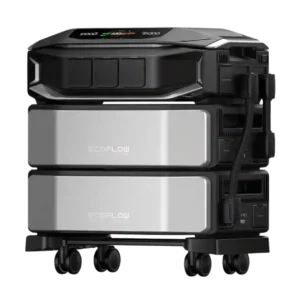
Circuit-level monitoring is highly useful in Smart Home Panel setups, letting owners see where power is going, identify heavy loads, and adjust consumption during an outage.
Pros: power output, home backup capability
Cons: AC outlet count, UPS functionality
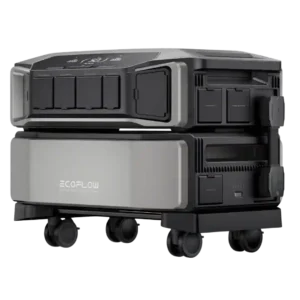
The app offers unusually rich monitoring, including live input/output, historical data, solar production, and circuit-level energy flow in integrated setups.
Pros: overall product satisfaction, value for money
Cons: customer support, shipping speed
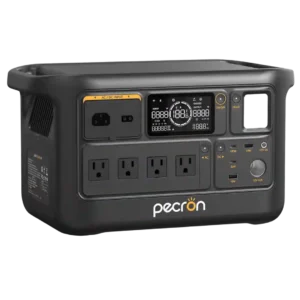
Trip-style and total energy counters are a standout convenience, letting users see how much energy has moved in or out without adding a separate meter.
Pros: overall product satisfaction, load handling
Cons: battery expandability, long-term reliability
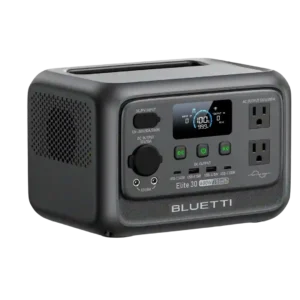
Time-of-use scheduling and detailed consumption data help owners understand loads and shift charging away from expensive peak hours.
Pros: value for money, portability
Cons: battery capacity, standby power loss
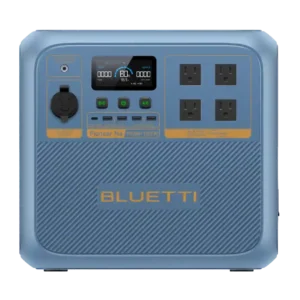
The app and display make it easy to see real-time consumption and understand which connected devices are using power.
Pros: overall product satisfaction, cold-weather performance
Cons: value for money, weight
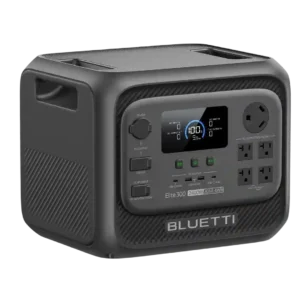
Detailed logging makes it easier to understand hourly consumption and compare solar or vehicle charging against actual loads.
Pros: compactness, load handling
Cons: weight, battery expandability
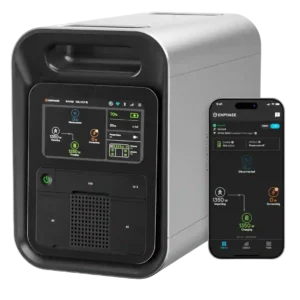
The app provides detailed energy histories by day, week, month, year, and lifetime.
Pros: display quality, overall product satisfaction
Cons: solar charging speed, weight
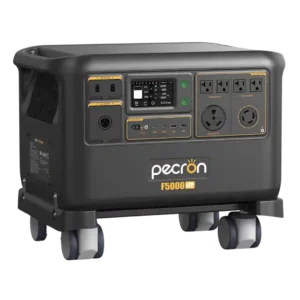
The touchscreen and app provide detailed usage statistics, including AC, DC, solar, and cost information. Reviewers value the unusually deep visibility into where energy is coming from and going.
Pros: overall product satisfaction, value for money
Cons: weight, wheel quality
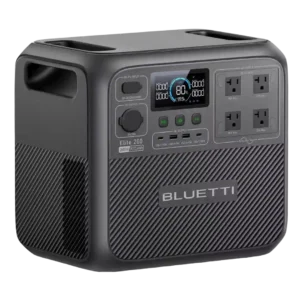
The app and display make it easy to see consumption patterns, live wattage, and longer-term usage information.
Pros: overall product satisfaction, value for money
Cons: weight, battery expandability
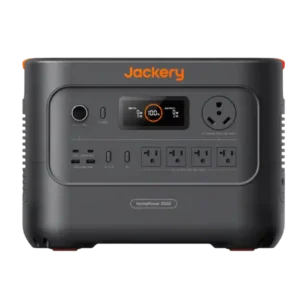
The app can track power flow, solar generation, and related energy savings, making it useful beyond basic battery monitoring.
Pros: high-demand appliance support, overall product satisfaction
Cons: accessory ecosystem, charging input compatibility
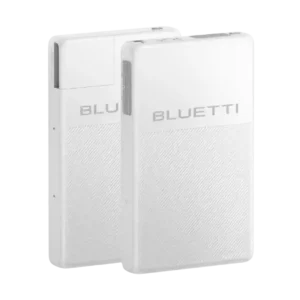
The app tracks power flow, outages, solar generation, estimated savings, and time-of-use costs. These tools make the system useful for energy management as well as backup.
Pros: overall product satisfaction, runtime
Cons: weight, DC output
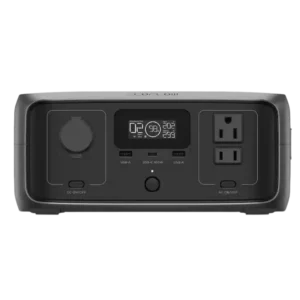
Live draw, usage charts, and historical graphs help users understand consumption and plan runtime.
Pros: overall product satisfaction, portability
Cons: specification accuracy, display readability
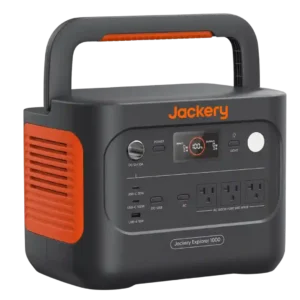
The app’s monitoring and analytics make it easy to follow power consumption and understand where battery capacity is going.
Pros: overall product satisfaction, AC charging speed
Cons: solar panel compatibility, solar cable compatibility
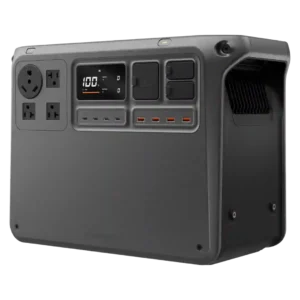
Scheduling and peak-hour controls help shift charging to cheaper or more convenient times.
Pros: noise level, power output
Cons: weight, accessory ecosystem
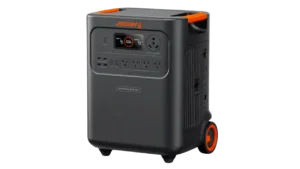
App-based tracking gives owners a useful view of power use and system status during operation.
Pros: overall product satisfaction, portability
Cons: weight, solar charging speed
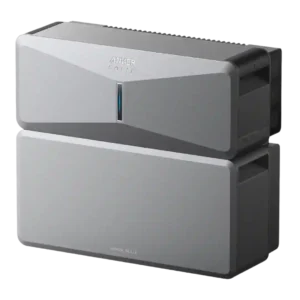
Energy monitoring is useful for seeing battery, grid, and household consumption, but graph precision varies; one tester loved the live visibility while another wanted clearer numerical summaries.
Pros: ease of setup, overall product satisfaction
Cons: display quality, accessory ecosystem
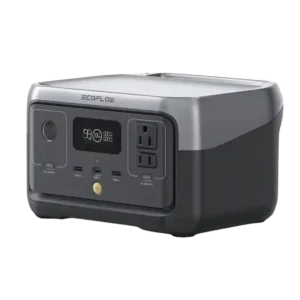
The app shows useful live power trends, but it lacks deeper solar history, cycle counts, and long-term data logging.
Pros: overall product satisfaction, AC charging speed
Cons: runtime, high-demand appliance support
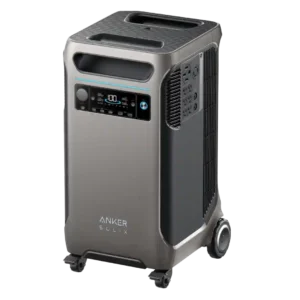
Live readings are useful, but reviewers repeatedly want historical input, output, voltage, and usage graphs that are not fully available.
Pros: overall product satisfaction, home backup capability
Cons: value for money, weight
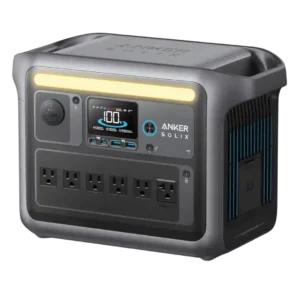
Live wattage is useful, but users repeatedly want longer-term graphs, logs, and historical consumption data rather than a few seconds of activity.
Pros: overall product satisfaction, runtime
Cons: noise level, weight