Best for battery percentage accuracy
Anker Solix C1000
5.0 attribute score
Highest scored product for this attribute based on supporting review evidence.

Highest scored product for this attribute based on supporting review evidence.
Balances the attribute score, supporting reviews, and overall product strength.
Has the broadest review evidence for this attribute.
Strongest overall product among items with scored evidence for this attribute.
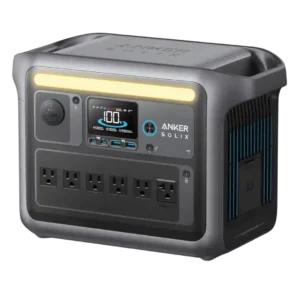
The percentage display was praised as dependable near empty, allowing users to run demanding loads down to the last few percent with confidence.
Pros: overall product satisfaction, runtime
Cons: noise level, weight
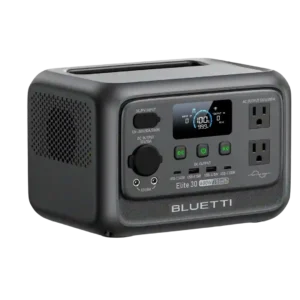
The percentage gauge is generally trusted and tracks discharge reliably. It remains more dependable than the occasional output-wattage reading glitches.
Pros: value for money, portability
Cons: battery capacity, standby power loss
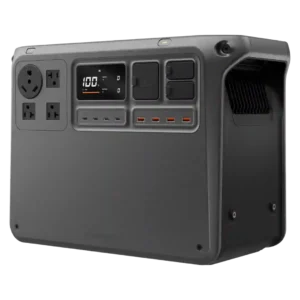
One owner found the displayed and advertised capacity closely matched actual use.
Pros: noise level, power output
Cons: weight, accessory ecosystem
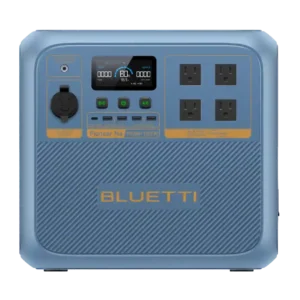
In one deep-freeze comparison, the Pioneer Na's charge-state display recovered normally while the comparison LFP unit's reading did not.
Pros: overall product satisfaction, cold-weather performance
Cons: value for money, weight
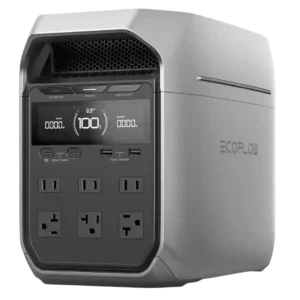
Most routine tests tracked remaining charge plausibly, but two failure cases showed abrupt or inaccurate percentage behavior.
Pros: overall product satisfaction, solar panel compatibility
Cons: long-term reliability, standby power loss
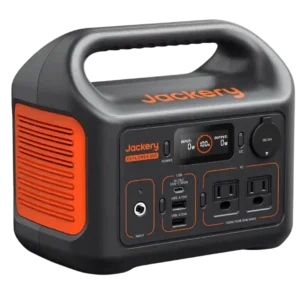
Battery percentage reporting varies by sample: one reviewer found it fairly accurate, while another unit shut down with 12% still displayed.
Pros: overall product satisfaction, portability
Cons: high-demand appliance support, home backup capability
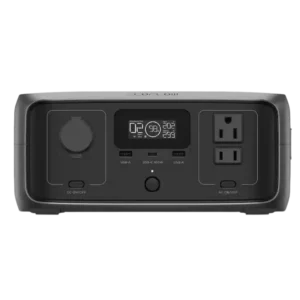
One owner questioned whether the displayed runtime estimate would hold through a full discharge.
Pros: overall product satisfaction, portability
Cons: specification accuracy, display readability
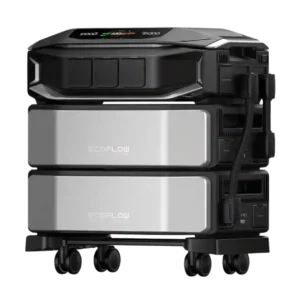
One tester found the battery-percentage display too coarse for precise idle-consumption measurements and explicitly questioned how accurate the meter was for that kind of calculation.
Pros: power output, home backup capability
Cons: AC outlet count, UPS functionality
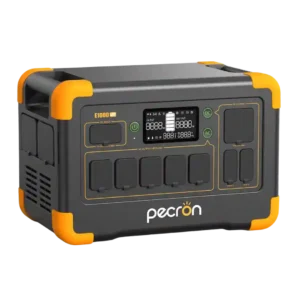
Cold-weather self-heating can confuse the state-of-charge display, with readings temporarily stuck or implausibly high; the charging system may still be functioning correctly underneath.
Pros: overall product satisfaction, value for money
Cons: standby power loss, surge capacity
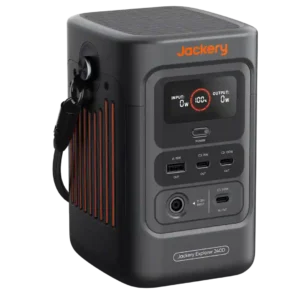
Percentage reporting is a concern in a few sources, ranging from coarse increments to sudden 10% jumps. Buyers should not assume laboratory-level precision.
Pros: value for money, compactness
Cons: high-demand appliance support, AC outlet count
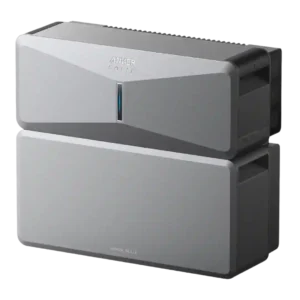
Multi-stack state-of-charge reporting can be misleading because the app may average stacks with very different charge levels, obscuring when one stack is nearly empty.
Pros: ease of setup, overall product satisfaction
Cons: display quality, accessory ecosystem
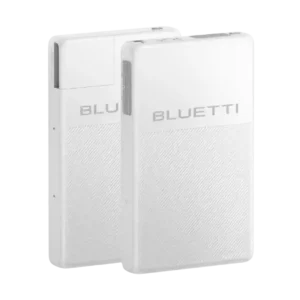
The main and expansion battery LEDs did not always show matching charge levels, reducing trust in the basic indicators.
Pros: overall product satisfaction, runtime
Cons: weight, DC output
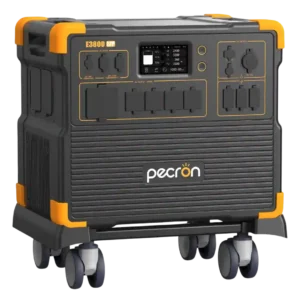
One owner reported substantial state-of-charge differences among connected batteries, reducing confidence in pack balancing/readouts.
Pros: overall product satisfaction, value for money
Cons: weight, app quality
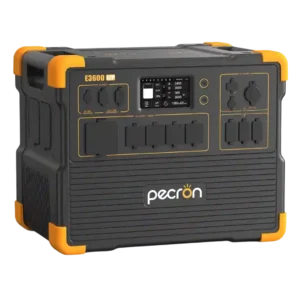
Several units displayed inaccurate state-of-charge readings, including sudden drops from high percentages to empty.
Pros: overall product satisfaction, value for money
Cons: long-term reliability, noise level
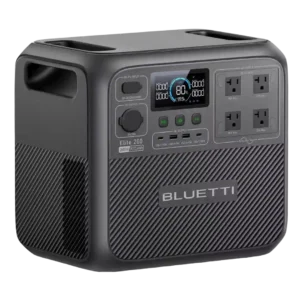
A small number of owners reported abrupt percentage drops or inconsistent state-of-charge readings, undermining trust in the gauge.
Pros: overall product satisfaction, value for money
Cons: weight, battery expandability
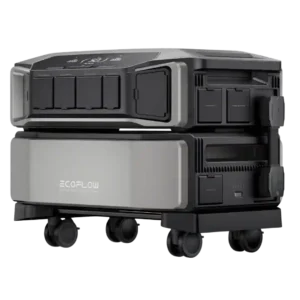
One long-term owner reported a serious state-of-charge mismatch, with the app reading empty after the unit had been charged to 98%.
Pros: overall product satisfaction, value for money
Cons: customer support, shipping speed
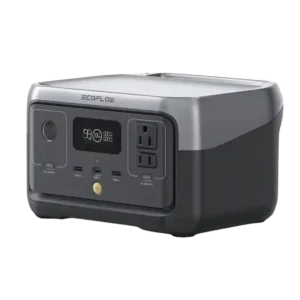
One owner saw an implausibly rapid fall from 99% to 74%, raising concern about calibration on that unit.
Pros: overall product satisfaction, AC charging speed
Cons: runtime, high-demand appliance support