Best for battery management system
EcoFlow River 2
5.0 attribute score
Highest scored product for this attribute based on supporting review evidence.

Highest scored product for this attribute based on supporting review evidence.
Balances the attribute score, supporting reviews, and overall product strength.
Has the broadest review evidence for this attribute.
Strongest overall product among items with scored evidence for this attribute.
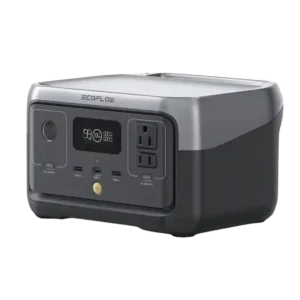
Charge limits, temperature monitoring, tapering near full, and other BMS protections give buyers confidence in long-term battery care.
Pros: overall product satisfaction, AC charging speed
Cons: runtime, high-demand appliance support
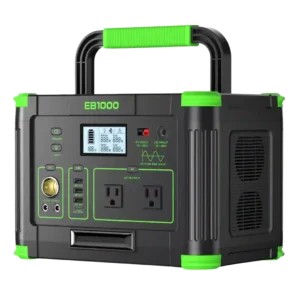
The battery management system earns strong marks for its overload, overcharge, short-circuit, surge, and temperature protections.
Pros: overall product satisfaction, value for money
Cons: long-term reliability, recharge speed
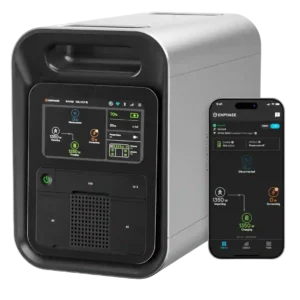
The BMS earns confidence for safety, efficient cycling, and protecting the battery from damaging deep-storage conditions.
Pros: display quality, overall product satisfaction
Cons: solar charging speed, weight
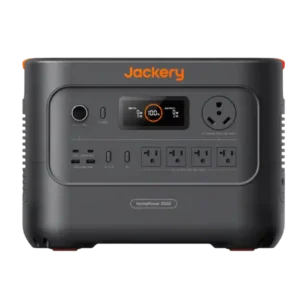
The battery management system provides broad protection against electrical faults and overheating.
Pros: high-demand appliance support, overall product satisfaction
Cons: accessory ecosystem, charging input compatibility
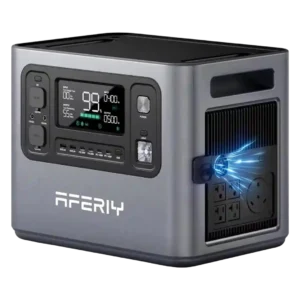
Adjustable charge and discharge limits, low-battery shutdown, and UPS settings provide strong control over battery care.
Pros: overall product satisfaction, battery expandability
Cons: weight, built-in light
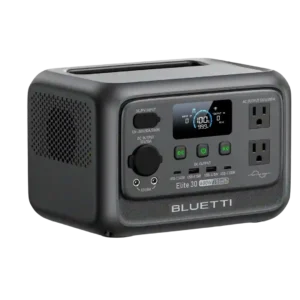
UltraCell management and thermal control are credited with reducing internal consumption and protecting long-term battery health.
Pros: value for money, portability
Cons: battery capacity, standby power loss
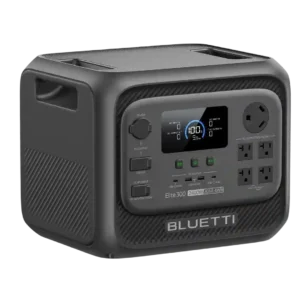
Advanced protection circuitry adds confidence around a large indoor battery, with safety and stability treated as major strengths.
Pros: compactness, load handling
Cons: weight, battery expandability
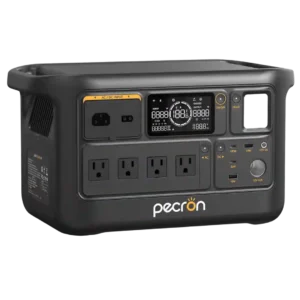
The BMS is praised for monitoring conditions such as overload and temperature and shutting the system down before damage.
Pros: overall product satisfaction, load handling
Cons: battery expandability, long-term reliability
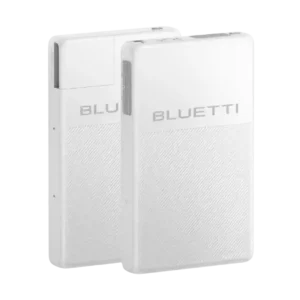
Charge limits, automatic maintenance cycles, storm preparation, and recovery settings make long-term ownership unusually hands-off. These controls are especially useful for a battery that remains plugged in around the clock.
Pros: overall product satisfaction, runtime
Cons: weight, DC output
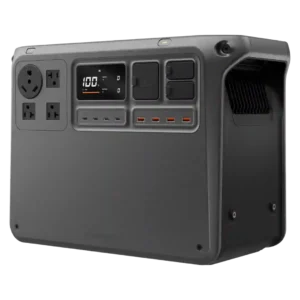
The extensive sensors, fuses, protective coating, and automatic safeguards inspire confidence in battery safety.
Pros: noise level, power output
Cons: weight, accessory ecosystem
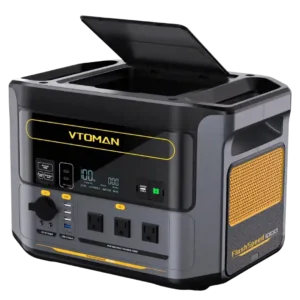
The protection system is praised for controlling charging, temperature, voltage, and connected loads while guarding against common electrical faults.
Pros: overall product satisfaction, AC charging speed
Cons: weight, display readability
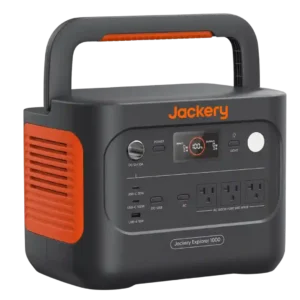
ChargeShield and the battery-management system are praised for controlling heat, charge rates, and cell protection without complicating everyday use.
Pros: overall product satisfaction, AC charging speed
Cons: solar panel compatibility, solar cable compatibility
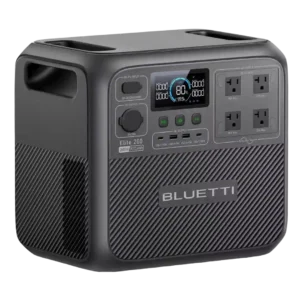
The BMS inspires confidence through temperature, voltage, and charging protection, with strong cold-weather stability in real use.
Pros: overall product satisfaction, value for money
Cons: weight, battery expandability
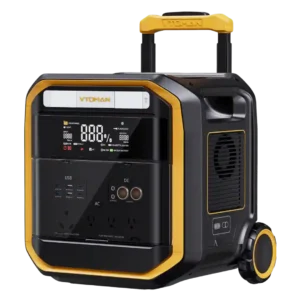
The multi-layer BMS inspires confidence through protections for heat, voltage, current, sparks, and other electrical risks.
Pros: overall product satisfaction, recharge speed
Cons: weight, lifting ease
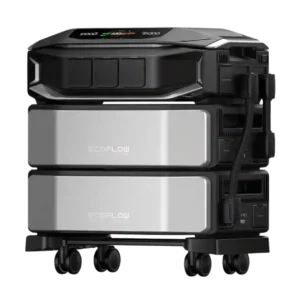
Battery monitoring and protection are treated as strong parts of the design, with pack-level oversight and system safeguards supporting a large residential battery installation.
Pros: power output, home backup capability
Cons: AC outlet count, UPS functionality
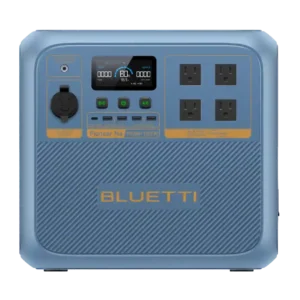
The BMS is praised for broad real-time monitoring and protection against conditions such as overcharge, short circuit, and overheating.
Pros: overall product satisfaction, cold-weather performance
Cons: value for money, weight
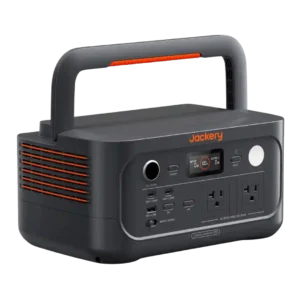
The safety and temperature-management systems inspire confidence for powering sensitive electronics indoors and outdoors.
Pros: overall product satisfaction, compactness
Cons: high-demand appliance support, app connectivity
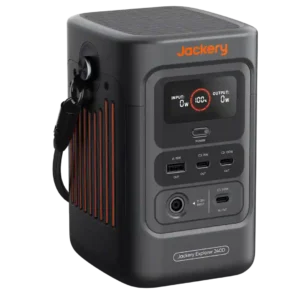
Protection coverage is generally reassuring, including temperature, voltage, and battery-health safeguards. A minority of reports identify the BMS as a possible reliability weak point.
Pros: value for money, compactness
Cons: high-demand appliance support, AC outlet count
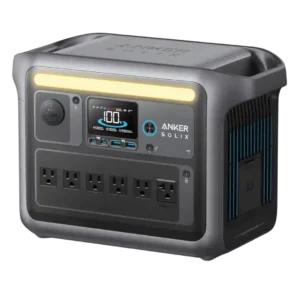
Temperature monitoring and protective charging behavior inspire confidence, but users would like configurable maximum charge limits for long-term battery care.
Pros: overall product satisfaction, runtime
Cons: noise level, weight
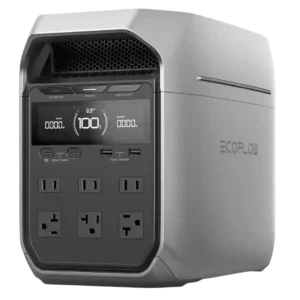
The management system offers useful charge limits and broad protections, but one owner reported a critical safeguard disabled by default and repeated failures.
Pros: overall product satisfaction, solar panel compatibility
Cons: long-term reliability, standby power loss
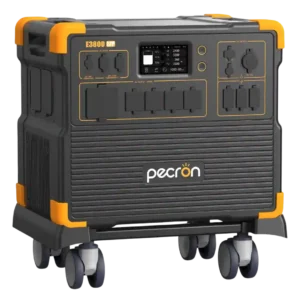
BMS behavior is generally positive, including good factory calibration and useful cell-level diagnostics, but one owner saw uneven discharge among expansion batteries.
Pros: overall product satisfaction, value for money
Cons: weight, app quality
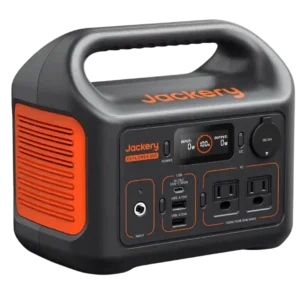
Thermal shutdown protection adds confidence in hot conditions, even though the older chemistry still needs sensible temperature management.
Pros: overall product satisfaction, portability
Cons: high-demand appliance support, home backup capability
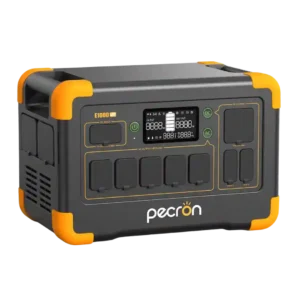
The BMS successfully protected the pack during a frozen recharge scenario, even though the displayed state of charge became inaccurate.
Pros: overall product satisfaction, value for money
Cons: standby power loss, surge capacity
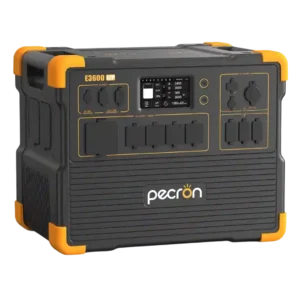
One refrigerator test showed a sudden drop from roughly 30% to empty, suggesting occasional battery-management calibration trouble.
Pros: overall product satisfaction, value for money
Cons: long-term reliability, noise level
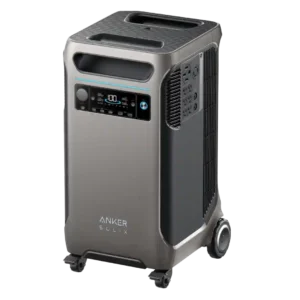
The BMS protects cold cells by restricting charging, but the lack of an internal heater makes recovery after a cold night frustratingly slow.
Pros: overall product satisfaction, home backup capability
Cons: value for money, weight