Best for battery chemistry
Anker Solix C1000
5.0 attribute score
Highest scored product for this attribute based on supporting review evidence.

Highest scored product for this attribute based on supporting review evidence.
Balances the attribute score, supporting reviews, and overall product strength.
Has the broadest review evidence for this attribute.
Strongest overall product among items with scored evidence for this attribute.
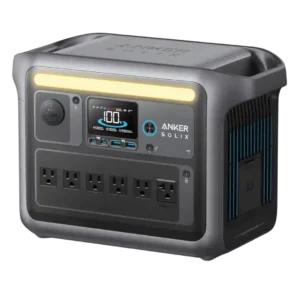
LiFePO4 chemistry earns strong approval for safety, stability, and longevity compared with older lithium-ion formulations.
Pros: overall product satisfaction, runtime
Cons: noise level, weight
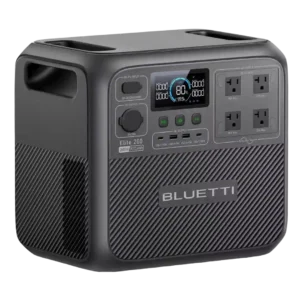
Reviewers strongly favor the automotive-grade LFP cells for their stability, safety, and long service life.
Pros: overall product satisfaction, value for money
Cons: weight, battery expandability
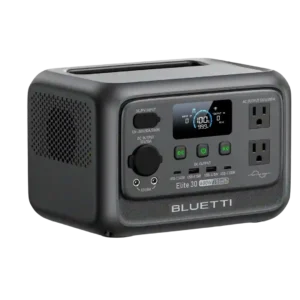
The battery chemistry is praised as safer and longer-lived than older lithium and lead-acid alternatives. It is a key reason buyers choose the unit for continuous UPS duty.
Pros: value for money, portability
Cons: battery capacity, standby power loss
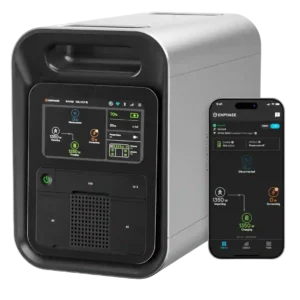
LFP chemistry is consistently viewed as the right choice for safety, thermal stability, and long service life.
Pros: display quality, overall product satisfaction
Cons: solar charging speed, weight
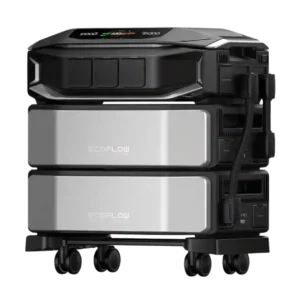
Reviewers favor the LFP battery chemistry for its thermal stability, safety profile, and expected durability, especially in a system designed for long-term home use.
Pros: power output, home backup capability
Cons: AC outlet count, UPS functionality
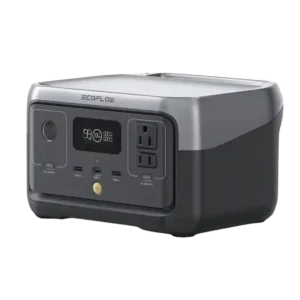
LFP chemistry is consistently treated as a major advantage for safety, frequent cycling, and long service life.
Pros: overall product satisfaction, AC charging speed
Cons: runtime, high-demand appliance support
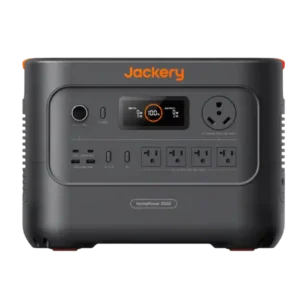
LiFePO4 chemistry brings strong safety, thermal stability, and lifespan advantages over older lithium-ion designs.
Pros: high-demand appliance support, overall product satisfaction
Cons: accessory ecosystem, charging input compatibility
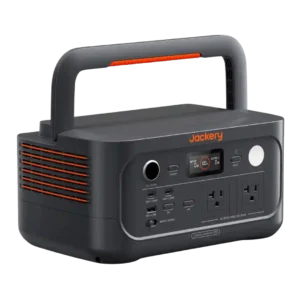
LiFePO4 chemistry is treated as a substantial improvement, with durability and long-term ownership benefits outweighing the modest energy-density tradeoff.
Pros: overall product satisfaction, compactness
Cons: high-demand appliance support, app connectivity
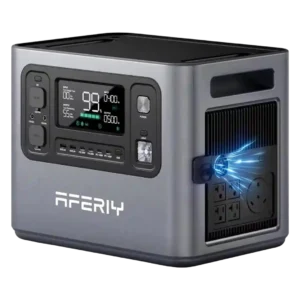
LiFePO4 chemistry is seen as a major safety and durability upgrade over older lithium-ion designs.
Pros: overall product satisfaction, battery expandability
Cons: weight, built-in light
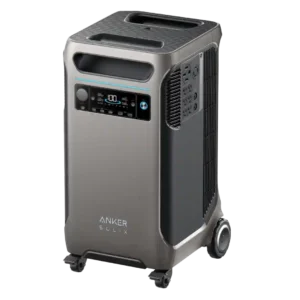
Customers describe the battery cells as high quality and well suited to storing a large amount of energy.
Pros: overall product satisfaction, home backup capability
Cons: value for money, weight
LiFePO4 chemistry is well suited to an always-on backup because it favors safety, cycle life, and long-term durability.
Pros: overall product satisfaction, runtime
Cons: weight, DC output
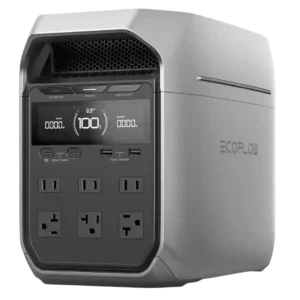
The LiFePO4 chemistry is viewed as a safe, durable foundation for frequent cycling and long-term ownership.
Pros: overall product satisfaction, solar panel compatibility
Cons: long-term reliability, standby power loss
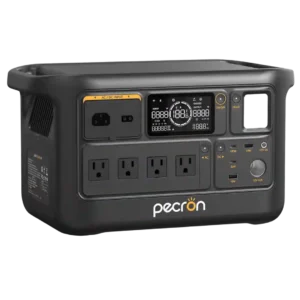
Lithium iron phosphate chemistry is treated positively, especially because the pack is intended for repeated cycling over many years.
Pros: overall product satisfaction, load handling
Cons: battery expandability, long-term reliability
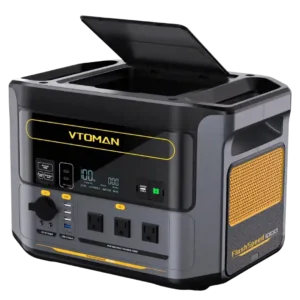
LiFePO4 cells are a major advantage, combining greater safety with a much longer expected service life than conventional lithium-ion packs.
Pros: overall product satisfaction, AC charging speed
Cons: weight, display readability
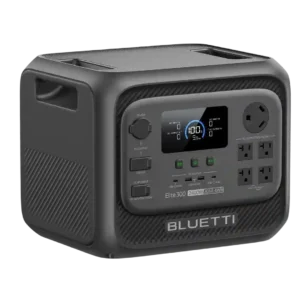
LiFePO4 cells earn strong approval for thermal stability, safety, and durability compared with older lithium-ion chemistries.
Pros: compactness, load handling
Cons: weight, battery expandability
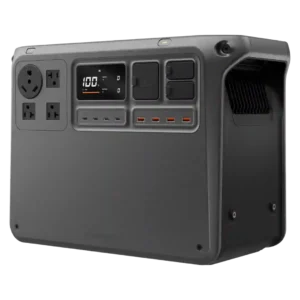
The LiFePO4 chemistry drew strong praise for safety, thermal stability, and long service life.
Pros: noise level, power output
Cons: weight, accessory ecosystem
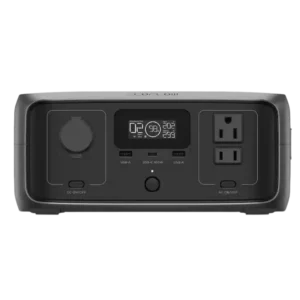
The lithium iron phosphate chemistry is considered safer and longer-lived than older lithium-ion designs.
Pros: overall product satisfaction, portability
Cons: specification accuracy, display readability
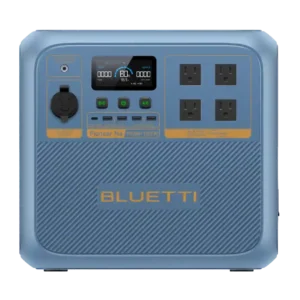
Sodium-ion is the product's defining advantage, earning praise for cold tolerance, stability, safety, and promising efficiency. The tradeoff is lower energy density and a shorter real-world track record than mature...
Pros: overall product satisfaction, cold-weather performance
Cons: value for money, weight
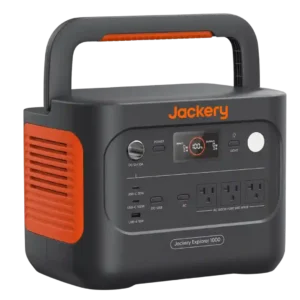
Exact chemistry is described inconsistently, but the newer battery design is still presented as a major longevity upgrade.
Pros: overall product satisfaction, AC charging speed
Cons: solar panel compatibility, solar cable compatibility
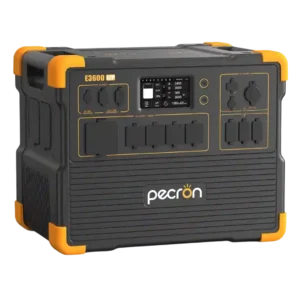
LFP chemistry supports long service life but contributes heavily to the station’s substantial weight.
Pros: overall product satisfaction, value for money
Cons: long-term reliability, noise level
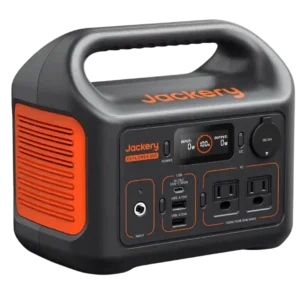
The older NMC lithium-ion chemistry keeps weight down but is repeatedly criticized for shorter life than modern LiFePO4 rivals.
Pros: overall product satisfaction, portability
Cons: high-demand appliance support, home backup capability
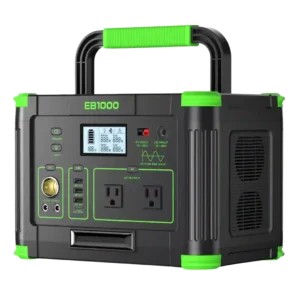
The lithium-ion NCM pack keeps weight down, but it feels dated beside longer-lived LiFePO4 alternatives and is better suited to occasional than intensive daily cycling.
Pros: overall product satisfaction, value for money
Cons: long-term reliability, recharge speed
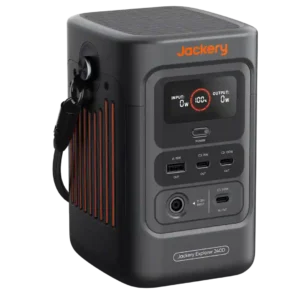
One source describes shorter-lived lithium-ion behavior associated with older Explorer 240 coverage, contrasting with the LiFePO4 chemistry reported across direct 240D sources.
Pros: value for money, compactness
Cons: high-demand appliance support, AC outlet count