
Overall: 3.8/5
Ambient-light sensing adjusts the art image's brightness and tone, helping it look realistic throughout changing room light.
Pros: cable management, design and appearance
Cons: value for money, Dolby Vision support

Overall: 3.8/5
Ambient-light sensing adjusts the art image's brightness and tone, helping it look realistic throughout changing room light.
Pros: cable management, design and appearance
Cons: value for money, Dolby Vision support
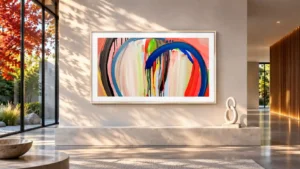
Overall: 3.5/5
Ambient light sensing helps artwork blend into the room rather than glowing too brightly. Some pieces still benefit from manual adjustment at night.
Pros: art display mode, design and appearance
Cons: overall satisfaction, HDMI port accessibility
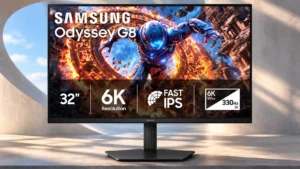
Overall: 3.5/5
Dynamic Brightness can boost perceived contrast, although its histogram-based behavior is not equivalent to a physical ambient-light sensor.
Pros: Resolution, sharpness
Cons: value for money, HDR performance
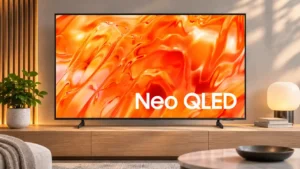
Overall: 3.1/5
Adaptive brightness can make a carefully chosen picture level fluctuate, so fixed settings are preferable for accuracy-minded viewing.
Pros: picture quality, overall satisfaction
Cons: sound quality, black levels
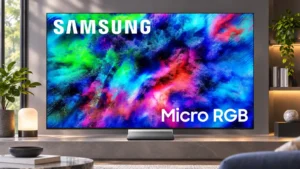
Overall: 3.7/5
Ambient-light adjustment can adapt picture brightness, but a firmware-related handshake bug may turn it on unexpectedly. Disabling optimization can also change measured HDR output noticeably.
Pros: color volume, overall satisfaction
Cons: value for money, color accuracy

Overall: 3.8/5
Ambient-light dimming can undermine carefully chosen picture settings, so leaving it off may produce a more consistent image.
Pros: picture quality, contrast ratio
Cons: blooming control, glare resistance

Overall: 4.2/5
Eco and adaptive brightness settings can alter the picture differently between presets, so owners may need to adjust each mode separately.
Pros: picture quality, overall satisfaction
Cons: design and appearance, Dolby Vision support