Best for simultaneous device support
Jackery Explorer 240D
5.0 feature score
Highest scored product for this feature based on supporting review evidence.

Highest scored product for this feature based on supporting review evidence.
Balances feature score, supporting reviews, and overall product strength.
Has the broadest review evidence for this feature.
Strongest overall product among items with scored evidence for this feature.
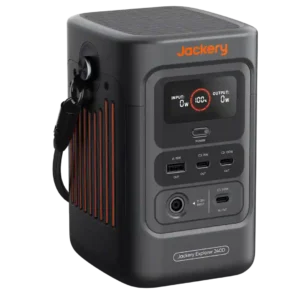
Four ports and a 200W shared budget handle several personal devices at once. Laptops, phones, cameras, tablets, and gaming hardware can share the station effectively.
Pros: power output, rated output
Cons: AC outlet count, repairability
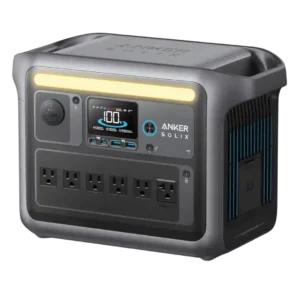
Multiple outlets and a strong inverter let users run several electronics or appliances together, provided the combined load stays below the limit.
Pros: power output, rated output
Cons: dual-input charging, cable storage
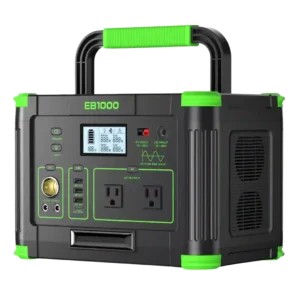
The broad output array makes it easy to power several phones, lights, laptops, tools, and appliances at once without sacrificing basic usability.
Pros: rated output, output stability
Cons: battery expandability, startup reliability
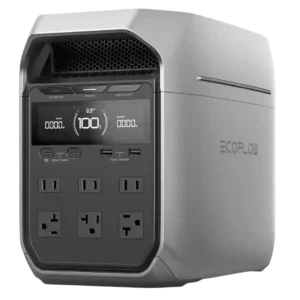
Multiple phones, laptops, monitors, networking devices, and appliances can run together as long as the combined draw stays within the inverter limit.
Pros: rated output, peak output
Cons: 30-amp output, parallel operation support
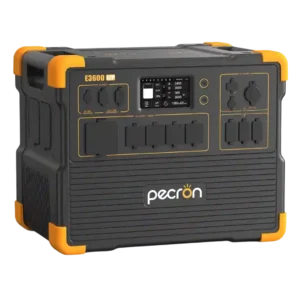
The port and inverter combination can power many devices at once, including refrigeration, lighting, communications, and small climate-control loads.
Pros: power output, rated output
Cons: output stability, voltage regulation
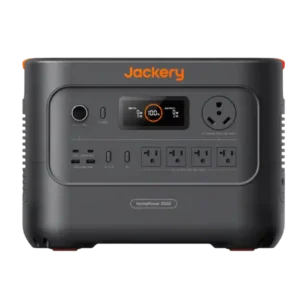
The mix of AC and USB outputs can support several devices together, with ample headroom for typical backup and production setups.
Pros: power output, rated output
Cons: battery expandability, car charging speed
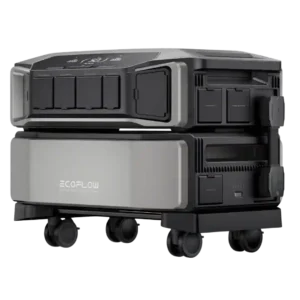
The DPU handles many devices at once impressively, from full studios to several high-demand appliances, without forcing users to constantly rotate loads.
Pros: power quality, simultaneous device support
Cons: battery percentage accuracy, firmware updates
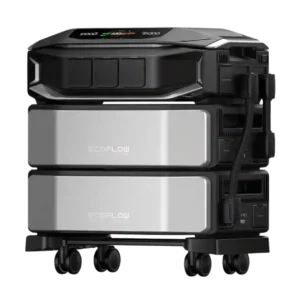
Real-world tests show the Ultra X can keep many household circuits and large appliances operating together. In sufficiently sized configurations, reviewers have run entire homes without obvious interruption.
Pros: output stability, voltage regulation
Cons: solar cable compatibility, UPS functionality
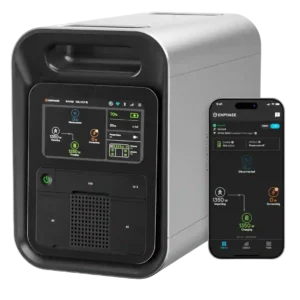
The broad port array can run or charge up to 11 devices at once, including appliances and personal electronics.
Pros: rated output, output stability
Cons: runtime at full load, RV outlet
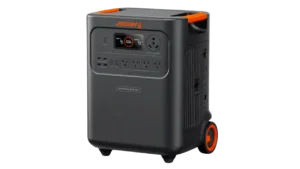
One test specifically praised the ability to charge and discharge at the same time, making simultaneous use more practical.
Pros: output stability, voltage regulation
Cons: DC output, 12-volt outlet
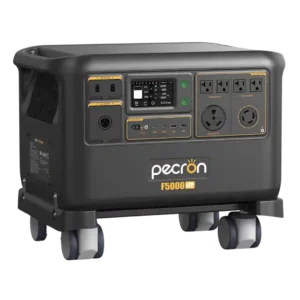
A hands-on test confirmed that AC, DC, and USB outputs can be used together. The F5000's large inverter and strong DC section make multi-device operation especially practical.
Pros: power output, output stability
Cons: firmware updates, built-in light
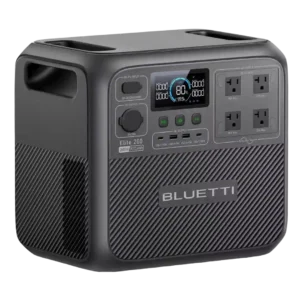
Multiple outlets and strong inverter headroom let users run several appliances, tools, and electronics at the same time.
Pros: output stability, pure sine wave output
Cons: specification accuracy, startup reliability
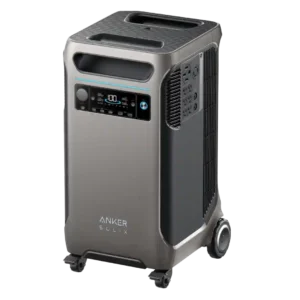
The F3800 comfortably runs several appliances or tools at once, including high-wattage combinations, until the total approaches its 6,000W limit.
Pros: rated output, output stability
Cons: car charging speed, USB-A ports
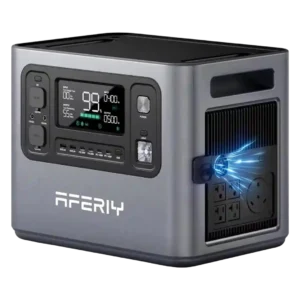
The P280 can run a broad mix of AC, DC, and USB devices together, including household appliances and full camper electrical systems.
Pros: rated output, peak output
Cons: app connectivity, voltage regulation
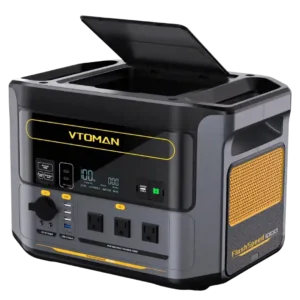
The 12-port layout handles many small and medium devices together, although multiple near-1,000W appliances exceed the station’s practical limits.
Pros: inverter quality, power quality
Cons: Wi-Fi connectivity, weather resistance
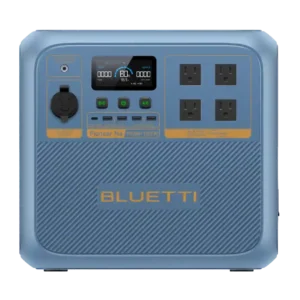
Reviewers successfully ran several electronics and appliances at once without instability, showing strong multi-device handling within the inverter limit.
Pros: pure sine wave output, startup performance
Cons: MPPT controller performance, battery expandability
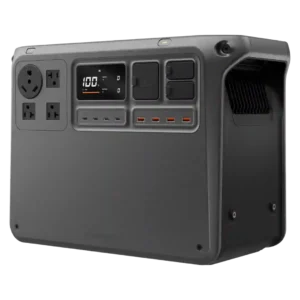
Owners successfully powered several appliances, computers, chargers, lights, and USB devices at once without compromising operation.
Pros: rated output, peak output
Cons: startup reliability, full-load noise
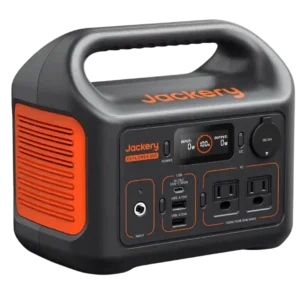
The port mix can power several small devices at once; reviewers successfully ran multiple USB and AC loads together within the 300W limit.
Pros: output stability, voltage regulation
Cons: battery expandability, water resistance
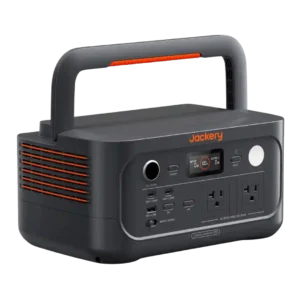
Multiple phones, laptops, cameras, and other small devices can be powered together comfortably as long as total draw stays within the 500W limit.
Pros: output stability, pure sine wave output
Cons: remaining runtime estimate, Bluetooth connectivity
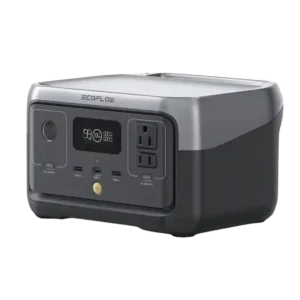
Its mix of USB, DC, and AC connections can charge several low-power devices together, which campers and outage users found genuinely useful.
Pros: surge capacity, output stability
Cons: dual-input charging, whole-home integration
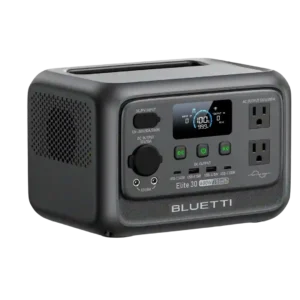
The station handles several devices at once, including laptops, networking gear, lights, phones, and chargers. The generous port mix makes it useful for families and small work setups.
Pros: rated output, output stability
Cons: over-voltage protection, cold-weather performance
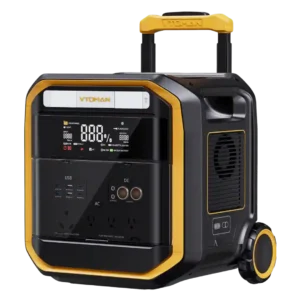
The station comfortably runs many devices together, with enough ports and inverter headroom for mixed USB, DC, and AC loads.
Pros: power output, surge capacity
Cons: specification accuracy, peak output
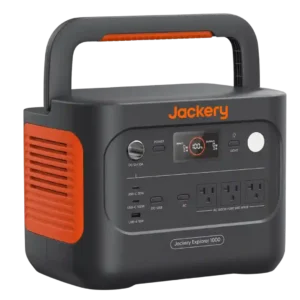
Most users powered several devices together without trouble, but limited outlet count can constrain larger multi-plug arrangements.
Pros: rated output, peak output
Cons: standby power loss, specification accuracy
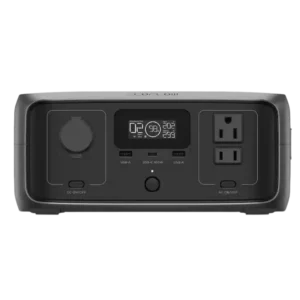
Its AC, USB, and DC ports can support several low-draw devices at once, making it useful as a shared charging hub.
Pros: noise level, idle noise
Cons: self-discharge rate, air travel suitability
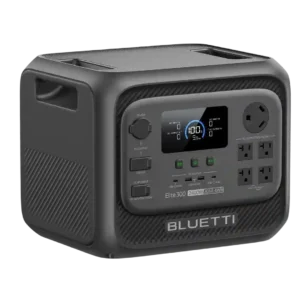
Multiple computers, chargers, lights, and appliances can run together, but the shared 2,400W ceiling means users must manage combinations of high-draw equipment.
Pros: surge capacity, voltage regulation
Cons: water resistance, ventilation requirements
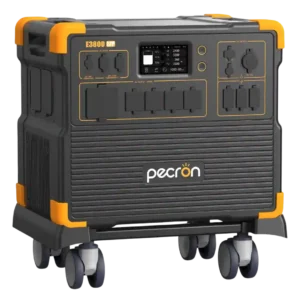
The inverter can power several devices at once with substantial headroom, though coincident startup surges can still cause overloads.
Pros: surge capacity, output stability
Cons: app connectivity, idle noise
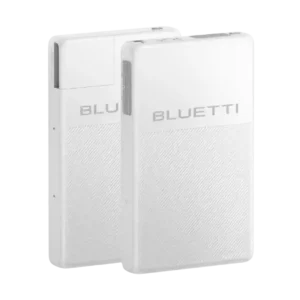
The two AC outlets can run a refrigerator alongside another essential appliance, such as a router, pump, or small kitchen device, within the inverter limit.
Pros: power output, rated output
Cons: USB-A ports, 12-volt outlet
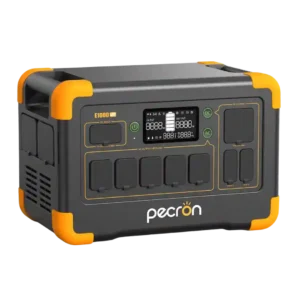
The many ports support several devices at once, but heavy use of the high-current DC output can disable the 100W USB-C ports to protect the shared DC power budget.
Pros: inverter quality, LiFePO4 battery
Cons: idle noise, built-in light
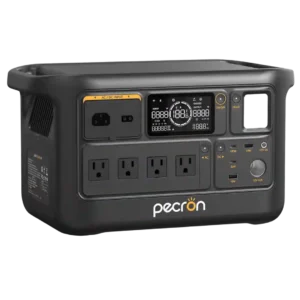
One stress test uncovered a concerning limitation where substantial DC output and AC output would not operate together as expected.
Pros: rated output, peak output
Cons: startup reliability, whole-home integration