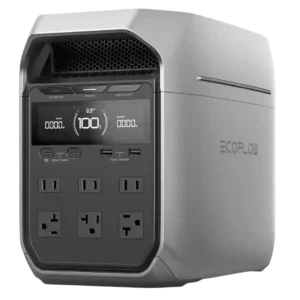
Multiple phones, laptops, monitors, networking devices, and appliances can run together as long as the combined draw stays within the inverter limit.
Pros: rated output, peak output
Cons: 30-amp output, parallel operation support

Multiple phones, laptops, monitors, networking devices, and appliances can run together as long as the combined draw stays within the inverter limit.
Pros: rated output, peak output
Cons: 30-amp output, parallel operation support
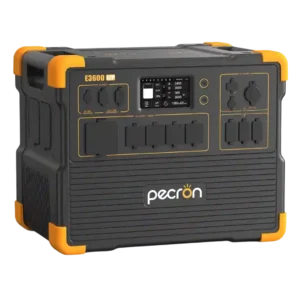
The port and inverter combination can power many devices at once, including refrigeration, lighting, communications, and small climate-control loads.
Pros: power output, rated output
Cons: output stability, voltage regulation
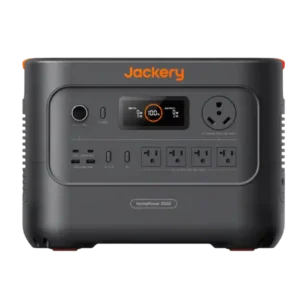
The mix of AC and USB outputs can support several devices together, with ample headroom for typical backup and production setups.
Pros: power output, rated output
Cons: battery expandability, car charging speed
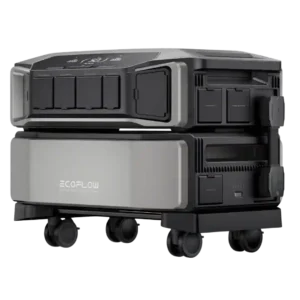
The DPU handles many devices at once impressively, from full studios to several high-demand appliances, without forcing users to constantly rotate loads.
Pros: power quality, simultaneous device support
Cons: battery percentage accuracy, firmware updates
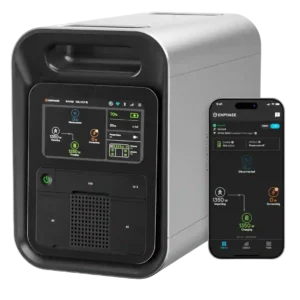
The broad port array can run or charge up to 11 devices at once, including appliances and personal electronics.
Pros: rated output, output stability
Cons: runtime at full load, RV outlet
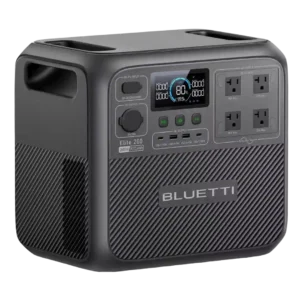
Multiple outlets and strong inverter headroom let users run several appliances, tools, and electronics at the same time.
Pros: output stability, pure sine wave output
Cons: specification accuracy, startup reliability
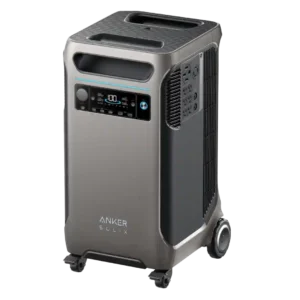
The F3800 comfortably runs several appliances or tools at once, including high-wattage combinations, until the total approaches its 6,000W limit.
Pros: rated output, output stability
Cons: car charging speed, USB-A ports
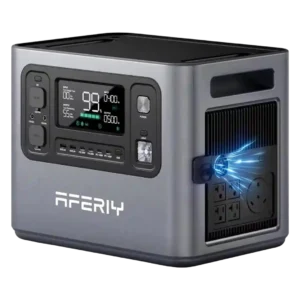
The P280 can run a broad mix of AC, DC, and USB devices together, including household appliances and full camper electrical systems.
Pros: rated output, peak output
Cons: app connectivity, voltage regulation
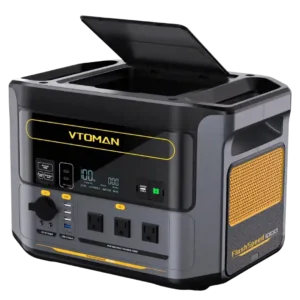
The 12-port layout handles many small and medium devices together, although multiple near-1,000W appliances exceed the station’s practical limits.
Pros: inverter quality, power quality
Cons: Wi-Fi connectivity, weather resistance
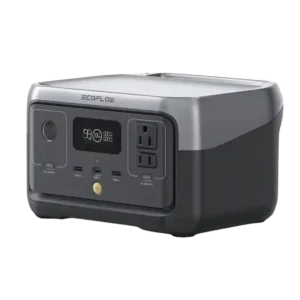
Its mix of USB, DC, and AC connections can charge several low-power devices together, which campers and outage users found genuinely useful.
Pros: surge capacity, output stability
Cons: dual-input charging, whole-home integration
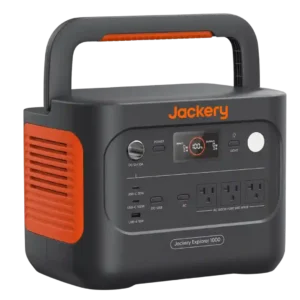
Most users powered several devices together without trouble, but limited outlet count can constrain larger multi-plug arrangements.
Pros: rated output, peak output
Cons: standby power loss, specification accuracy
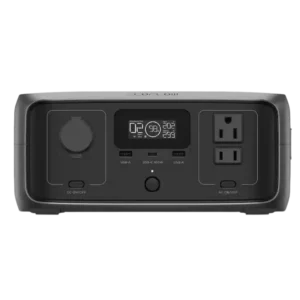
Its AC, USB, and DC ports can support several low-draw devices at once, making it useful as a shared charging hub.
Pros: noise level, idle noise
Cons: self-discharge rate, air travel suitability