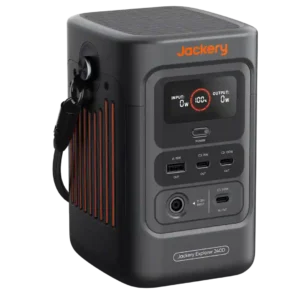
Four ports and a 200W shared budget handle several personal devices at once. Laptops, phones, cameras, tablets, and gaming hardware can share the station effectively.
Pros: power output, rated output
Cons: AC outlet count, repairability

Four ports and a 200W shared budget handle several personal devices at once. Laptops, phones, cameras, tablets, and gaming hardware can share the station effectively.
Pros: power output, rated output
Cons: AC outlet count, repairability
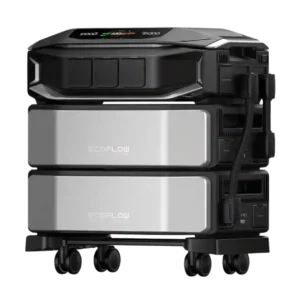
Real-world tests show the Ultra X can keep many household circuits and large appliances operating together. In sufficiently sized configurations, reviewers have run entire homes without obvious interruption.
Pros: output stability, voltage regulation
Cons: solar cable compatibility, UPS functionality
One test specifically praised the ability to charge and discharge at the same time, making simultaneous use more practical.
Pros: output stability, voltage regulation
Cons: DC output, 12-volt outlet
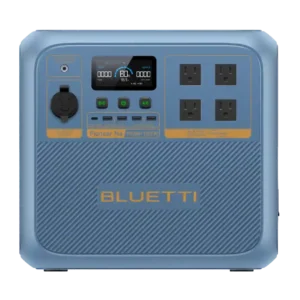
Reviewers successfully ran several electronics and appliances at once without instability, showing strong multi-device handling within the inverter limit.
Pros: pure sine wave output, startup performance
Cons: MPPT controller performance, battery expandability
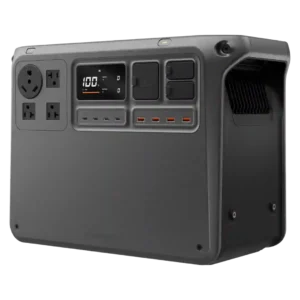
Owners successfully powered several appliances, computers, chargers, lights, and USB devices at once without compromising operation.
Pros: rated output, peak output
Cons: startup reliability, full-load noise
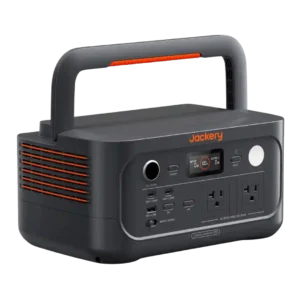
Multiple phones, laptops, cameras, and other small devices can be powered together comfortably as long as total draw stays within the 500W limit.
Pros: output stability, pure sine wave output
Cons: remaining runtime estimate, Bluetooth connectivity
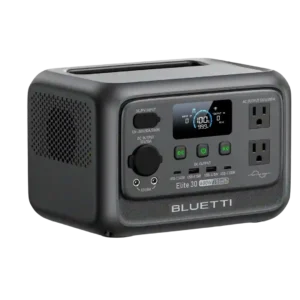
The station handles several devices at once, including laptops, networking gear, lights, phones, and chargers. The generous port mix makes it useful for families and small work setups.
Pros: rated output, output stability
Cons: over-voltage protection, cold-weather performance
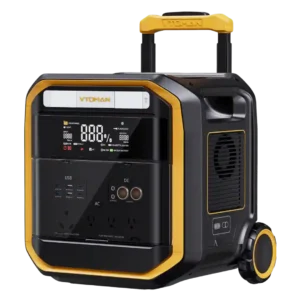
The station comfortably runs many devices together, with enough ports and inverter headroom for mixed USB, DC, and AC loads.
Pros: power output, surge capacity
Cons: specification accuracy, peak output
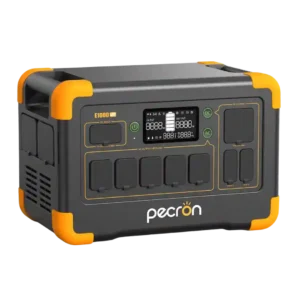
The many ports support several devices at once, but heavy use of the high-current DC output can disable the 100W USB-C ports to protect the shared DC power budget.
Pros: inverter quality, LiFePO4 battery
Cons: idle noise, built-in light