Best for pass-through charging
EcoFlow Delta 3 Plus Review
5.0 feature score
Highest scored product for this feature based on supporting review evidence.

Highest scored product for this feature based on supporting review evidence.
Balances feature score, supporting reviews, and overall product strength.
Has the broadest review evidence for this feature.
Strongest overall product among items with scored evidence for this feature.
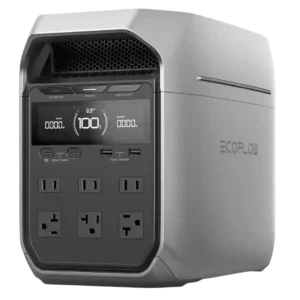
The station can charge while continuing to power connected devices, and both AC and solar pass-through performed reliably in testing.
Pros: rated output, peak output
Cons: 30-amp output, parallel operation support
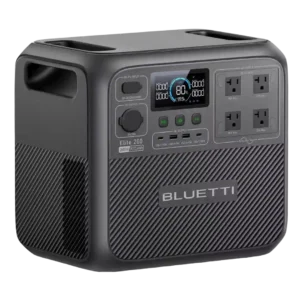
The station reliably powers connected devices while recharging, making it practical as a continuously connected backup source.
Pros: output stability, pure sine wave output
Cons: specification accuracy, startup reliability
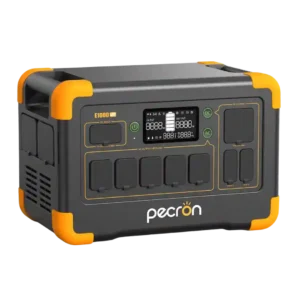
Pass-through operation is consistently reliable, allowing connected loads to keep running while the station recharges from AC or solar.
Pros: inverter quality, LiFePO4 battery
Cons: idle noise, built-in light
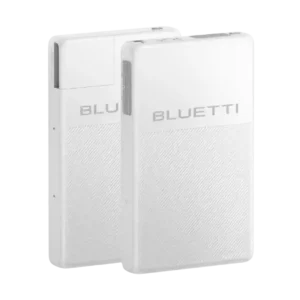
Grid power passes directly to connected appliances while the battery remains ready, reducing unnecessary cycling. Tests confirmed simultaneous charging and load support.
Pros: power output, rated output
Cons: USB-A ports, 12-volt outlet
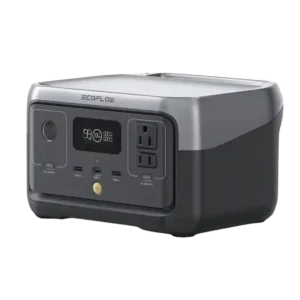
It can power connected devices while recharging, making it useful for continuous desk, router, and light backup duties.
Pros: surge capacity, output stability
Cons: dual-input charging, whole-home integration
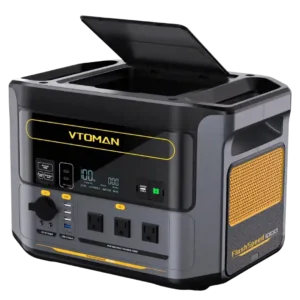
The station can recharge from AC while continuing to power connected devices, which is useful before trips and during backup use.
Pros: inverter quality, power quality
Cons: Wi-Fi connectivity, weather resistance
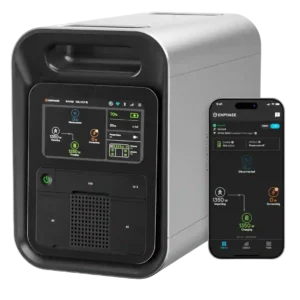
AC pass-through lets the station power connected loads while its battery charges from the grid.
Pros: rated output, output stability
Cons: runtime at full load, RV outlet
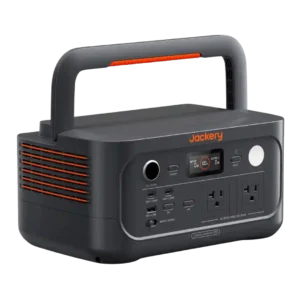
Pass-through charging is a major practical advantage for road trips and outages because devices can stay powered while the station itself recharges.
Pros: output stability, pure sine wave output
Cons: remaining runtime estimate, Bluetooth connectivity
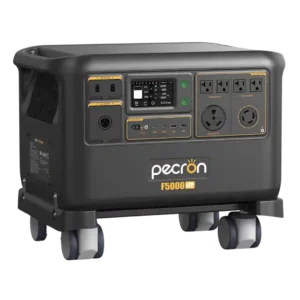
Being able to charge from 120V while continuing to provide 240V output is repeatedly praised as a rare and valuable capability. Users do need to manage total pass-through load so...
Pros: power output, output stability
Cons: firmware updates, built-in light
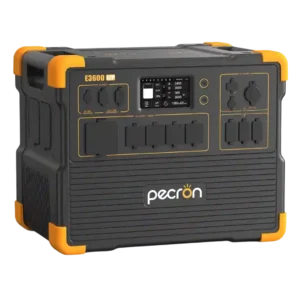
Pass-through operation is a major strength, allowing loads to run while AC, solar, or generator power replenishes the battery.
Pros: power output, rated output
Cons: output stability, voltage regulation
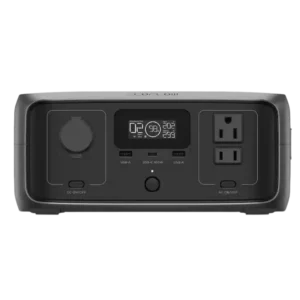
The unit can power devices while charging and works well as a continuously connected backup source.
Pros: noise level, idle noise
Cons: self-discharge rate, air travel suitability
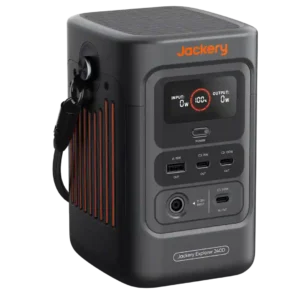
Pass-through operation works well and can keep devices running while the station recharges. Heavy simultaneous input and output may add heat or reduce available power.
Pros: power output, rated output
Cons: AC outlet count, repairability
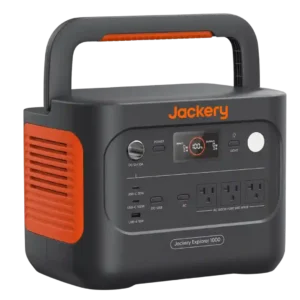
Devices can keep running while the station recharges, a valuable outage feature, though very heavy loads reduce incoming charge speed.
Pros: rated output, peak output
Cons: standby power loss, specification accuracy
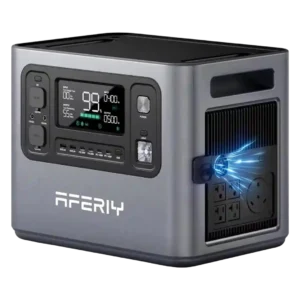
The station can power devices while charging and can pass grid power directly through in UPS use. Heavy AC loads may shut down the inverter while DC and charging continue.
Pros: rated output, peak output
Cons: app connectivity, voltage regulation
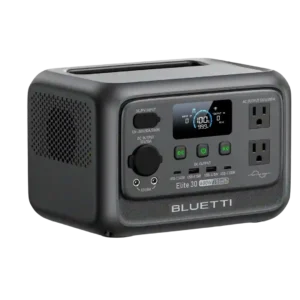
Pass-through and bypass operation are highly useful for UPS and vehicle charging setups. The important exception is that firmware updates can cut all output, including AC passthrough.
Pros: rated output, output stability
Cons: over-voltage protection, cold-weather performance
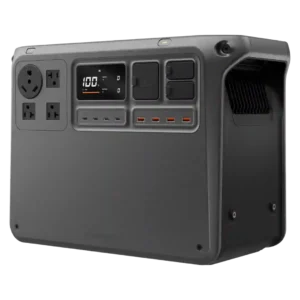
Pass-through operation works well, allowing the station to charge while continuing to power connected equipment.
Pros: rated output, peak output
Cons: startup reliability, full-load noise
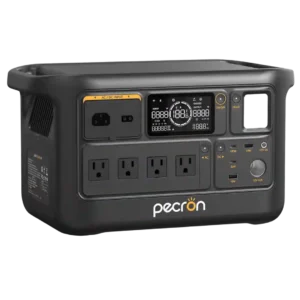
Being able to power connected devices while the F1000 itself is charging is a welcome convenience for backup and everyday setups.
Pros: rated output, peak output
Cons: startup reliability, whole-home integration
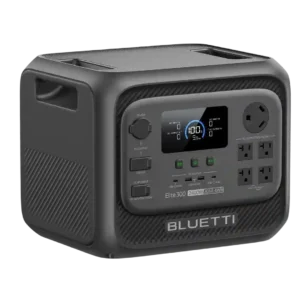
Pass-through operation worked as claimed, allowing devices to remain powered while the battery recharged.
Pros: surge capacity, voltage regulation
Cons: water resistance, ventilation requirements
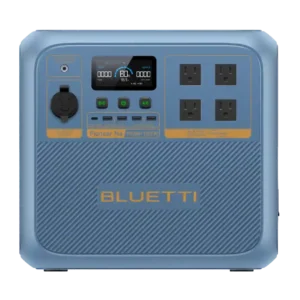
The station can charge while powering connected devices, a useful capability for mobile and backup setups.
Pros: pure sine wave output, startup performance
Cons: MPPT controller performance, battery expandability
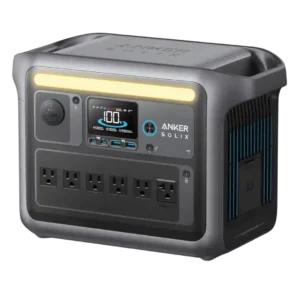
True bypass and charge-while-powering behavior work well for UPS and workstation use. Expansion-battery quirks have occasionally complicated this mode.
Pros: power output, rated output
Cons: dual-input charging, cable storage
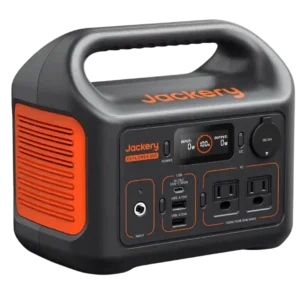
Pass-through charging is useful and generally works well, but several reviewers caution that frequent use can add heat or accelerate battery wear.
Pros: output stability, voltage regulation
Cons: battery expandability, water resistance
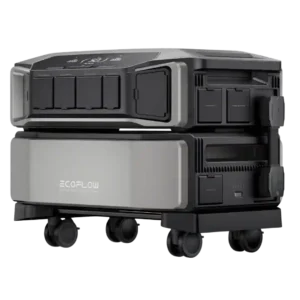
Pass-through behavior is usually a strength, with bypass operation allowing simultaneous charging and output. One test found an important exception: AC outlets were lost while charging from 240V.
Pros: power quality, simultaneous device support
Cons: battery percentage accuracy, firmware updates
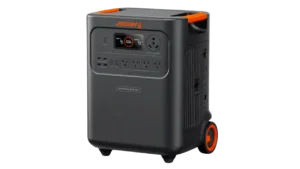
Pass-through behavior is useful, but one test found maximum AC charging could interrupt output until the input rate was reduced.
Pros: output stability, voltage regulation
Cons: DC output, 12-volt outlet
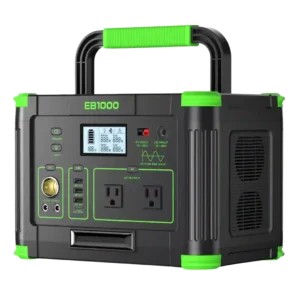
Pass-through charging works well in several tests and supports continuous low-power use, but a few owners experienced shutdowns or overheating in this mode.
Pros: rated output, output stability
Cons: battery expandability, startup reliability
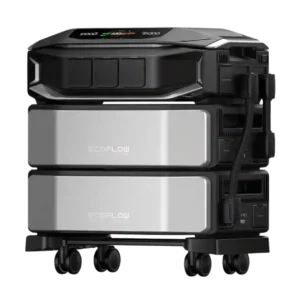
Simultaneous charging and output can work well in the right configuration, but some charging modes expose frustrating limitations. Generator charge-limit behavior and EV-style 240V input are the main trouble spots.
Pros: output stability, voltage regulation
Cons: solar cable compatibility, UPS functionality
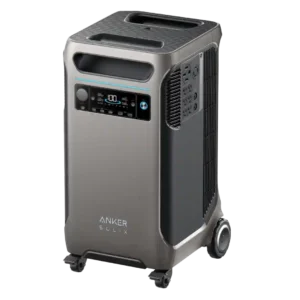
The original F3800’s biggest functional limitation is AC pass-through: 240V and part of the 120V bank are disabled while charging from AC. Solar charging is far more flexible and can...
Pros: rated output, output stability
Cons: car charging speed, USB-A ports