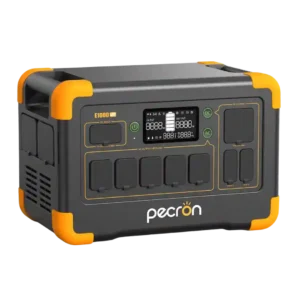
Pass-through operation is consistently reliable, allowing connected loads to keep running while the station recharges from AC or solar.
Pros: inverter quality, LiFePO4 battery
Cons: idle noise, built-in light

Pass-through operation is consistently reliable, allowing connected loads to keep running while the station recharges from AC or solar.
Pros: inverter quality, LiFePO4 battery
Cons: idle noise, built-in light
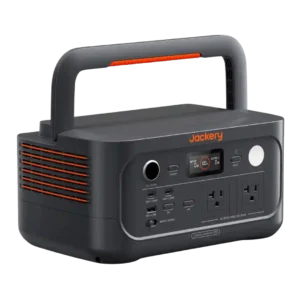
Pass-through charging is a major practical advantage for road trips and outages because devices can stay powered while the station itself recharges.
Pros: output stability, pure sine wave output
Cons: remaining runtime estimate, Bluetooth connectivity
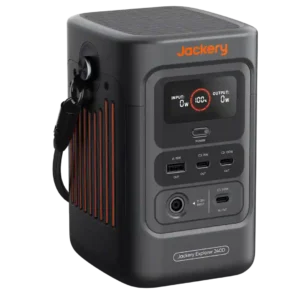
Pass-through operation works well and can keep devices running while the station recharges. Heavy simultaneous input and output may add heat or reduce available power.
Pros: power output, rated output
Cons: AC outlet count, repairability
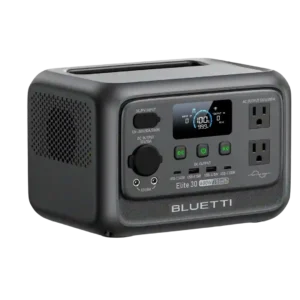
Pass-through and bypass operation are highly useful for UPS and vehicle charging setups. The important exception is that firmware updates can cut all output, including AC passthrough.
Pros: rated output, output stability
Cons: over-voltage protection, cold-weather performance
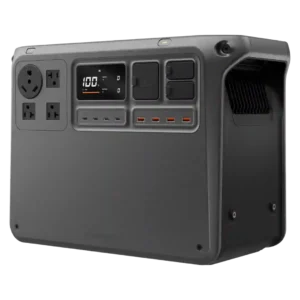
Pass-through operation works well, allowing the station to charge while continuing to power connected equipment.
Pros: rated output, peak output
Cons: startup reliability, full-load noise
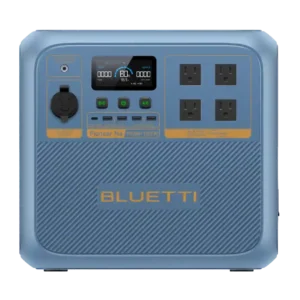
The station can charge while powering connected devices, a useful capability for mobile and backup setups.
Pros: pure sine wave output, startup performance
Cons: MPPT controller performance, battery expandability
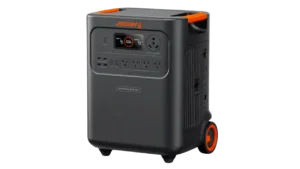
Pass-through behavior is useful, but one test found maximum AC charging could interrupt output until the input rate was reduced.
Pros: output stability, voltage regulation
Cons: DC output, 12-volt outlet
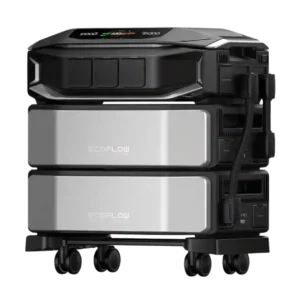
Simultaneous charging and output can work well in the right configuration, but some charging modes expose frustrating limitations. Generator charge-limit behavior and EV-style 240V input are the main trouble spots.
Pros: output stability, voltage regulation
Cons: solar cable compatibility, UPS functionality