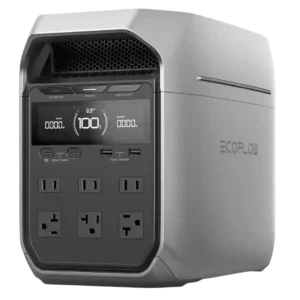
The station can charge while continuing to power connected devices, and both AC and solar pass-through performed reliably in testing.
Pros: rated output, peak output
Cons: 30-amp output, parallel operation support

The station can charge while continuing to power connected devices, and both AC and solar pass-through performed reliably in testing.
Pros: rated output, peak output
Cons: 30-amp output, parallel operation support
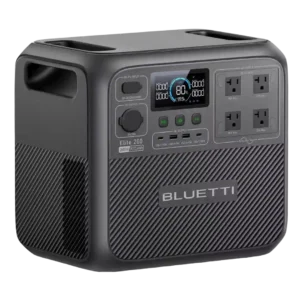
The station reliably powers connected devices while recharging, making it practical as a continuously connected backup source.
Pros: output stability, pure sine wave output
Cons: specification accuracy, startup reliability
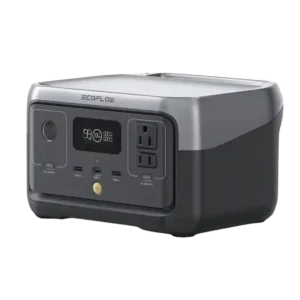
It can power connected devices while recharging, making it useful for continuous desk, router, and light backup duties.
Pros: surge capacity, output stability
Cons: dual-input charging, whole-home integration
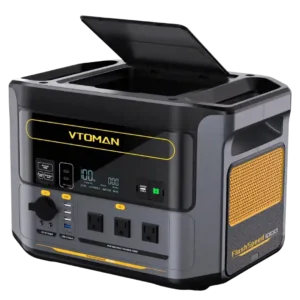
The station can recharge from AC while continuing to power connected devices, which is useful before trips and during backup use.
Pros: inverter quality, power quality
Cons: Wi-Fi connectivity, weather resistance
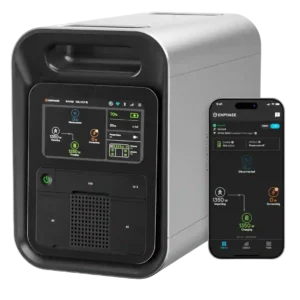
AC pass-through lets the station power connected loads while its battery charges from the grid.
Pros: rated output, output stability
Cons: runtime at full load, RV outlet
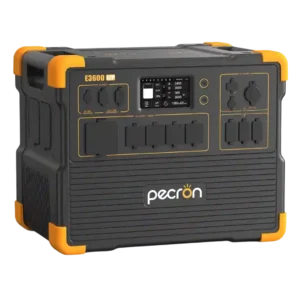
Pass-through operation is a major strength, allowing loads to run while AC, solar, or generator power replenishes the battery.
Pros: power output, rated output
Cons: output stability, voltage regulation
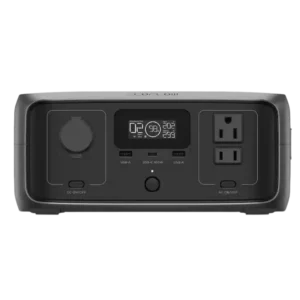
The unit can power devices while charging and works well as a continuously connected backup source.
Pros: noise level, idle noise
Cons: self-discharge rate, air travel suitability
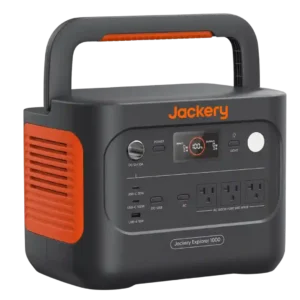
Devices can keep running while the station recharges, a valuable outage feature, though very heavy loads reduce incoming charge speed.
Pros: rated output, peak output
Cons: standby power loss, specification accuracy
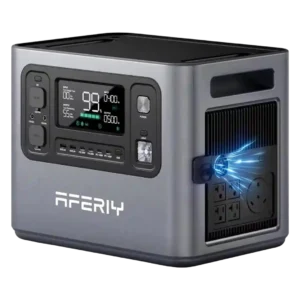
The station can power devices while charging and can pass grid power directly through in UPS use. Heavy AC loads may shut down the inverter while DC and charging continue.
Pros: rated output, peak output
Cons: app connectivity, voltage regulation
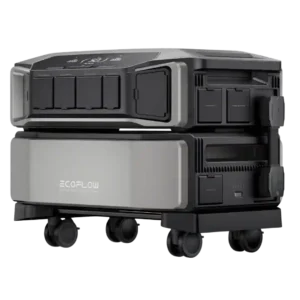
Pass-through behavior is usually a strength, with bypass operation allowing simultaneous charging and output. One test found an important exception: AC outlets were lost while charging from 240V.
Pros: power quality, simultaneous device support
Cons: battery percentage accuracy, firmware updates
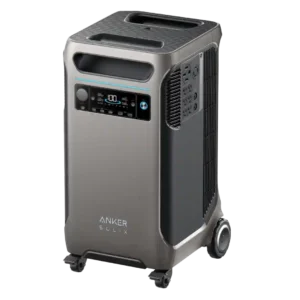
The original F3800’s biggest functional limitation is AC pass-through: 240V and part of the 120V bank are disabled while charging from AC. Solar charging is far more flexible and can...
Pros: rated output, output stability
Cons: car charging speed, USB-A ports