Best for outlet selection
Pecron E3600
5.0 feature score
Highest scored product for this feature based on supporting review evidence.

Highest scored product for this feature based on supporting review evidence.
Balances feature score, supporting reviews, and overall product strength.
Has the broadest review evidence for this feature.
Strongest overall product among items with scored evidence for this feature.
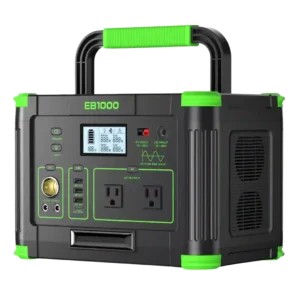
Two AC outlets, multiple USB ports, 12V connections, DC jacks, and wireless charging provide an unusually versatile set of outputs for the price.
Pros: rated output, output stability
Cons: battery expandability, startup reliability
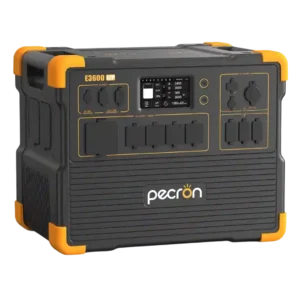
The port mix is unusually complete, covering household AC, RV power, USB, wireless charging, and multiple DC formats.
Pros: power output, rated output
Cons: output stability, voltage regulation
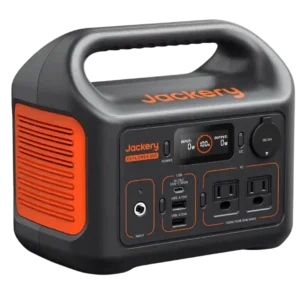
The mix of AC, USB-A, USB-C and 12V outputs is repeatedly praised as versatile for a station this small.
Pros: output stability, voltage regulation
Cons: battery expandability, water resistance
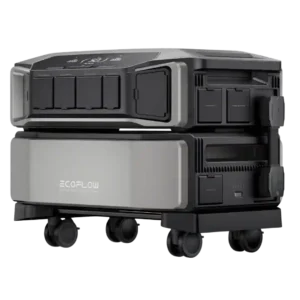
Built-in AC and USB connectivity is widely seen as practical and flexible, letting the DPU power many devices directly without requiring extra distribution hardware.
Pros: power quality, simultaneous device support
Cons: battery percentage accuracy, firmware updates
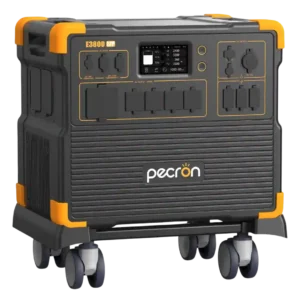
Reviewers appreciate the broad mix of AC and DC outputs for backup, RV, and off-grid use.
Pros: surge capacity, output stability
Cons: app connectivity, idle noise
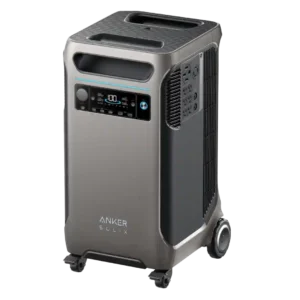
Six household outlets plus heavy-duty 240V, USB, and DC connections make the F3800 one of the most versatile stations for home, RV, workshop, and electronics use.
Pros: rated output, output stability
Cons: car charging speed, USB-A ports
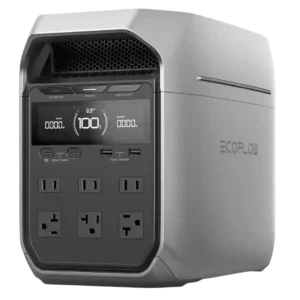
Six AC outlets, high-power USB-C, USB-A, 12V, and DC barrel outputs cover a broad range of home, camping, and worksite devices.
Pros: rated output, peak output
Cons: 30-amp output, parallel operation support
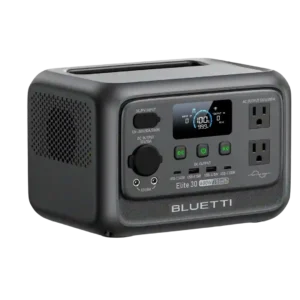
The port mix is unusually generous for the size, with AC, high-power USB-C, USB-A, a car socket, and barrel outputs. It can cover most small-device setups without adapters.
Pros: rated output, output stability
Cons: over-voltage protection, cold-weather performance
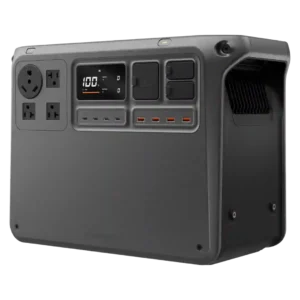
The generous mix of AC, USB, 30-amp, and SDC connections is one of the strongest port selections in this size class.
Pros: rated output, peak output
Cons: startup reliability, full-load noise
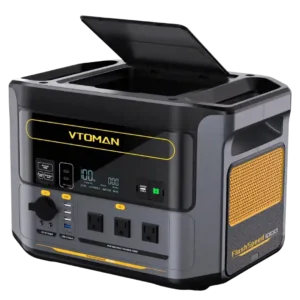
Three AC outlets, multiple USB ports, and several 12V connections provide an unusually versatile mix for electronics, tools, and appliances.
Pros: inverter quality, power quality
Cons: Wi-Fi connectivity, weather resistance
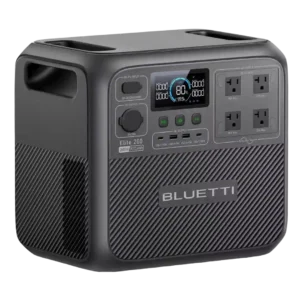
The mix of AC, USB-C, USB-A, and 12V outputs suits most everyday gear, despite limited high-current DC and RV options.
Pros: output stability, pure sine wave output
Cons: specification accuracy, startup reliability
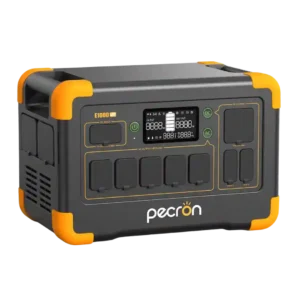
The port mix is broad and practical for camping, cameras, small electronics, and backup use, with AC, USB, car-socket, barrel, and high-current XT60 options.
Pros: inverter quality, LiFePO4 battery
Cons: idle noise, built-in light
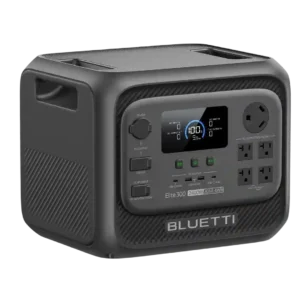
The mix of AC, USB, 12V, high-current DC, and RV connections covers most home, van, and mobile-work needs without extra splitters.
Pros: surge capacity, voltage regulation
Cons: water resistance, ventilation requirements
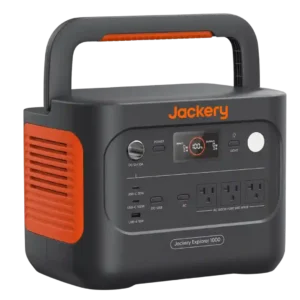
The mix of AC, USB-C, USB-A, and 12-volt outputs suits most modern setups, although one comparison criticizes the total port count.
Pros: rated output, peak output
Cons: standby power loss, specification accuracy
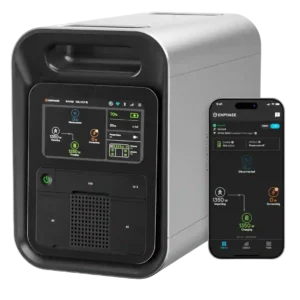
Four AC outlets, four USB-A ports, two USB-C ports, and a 12-volt socket cover most common emergency and camping needs.
Pros: rated output, output stability
Cons: runtime at full load, RV outlet
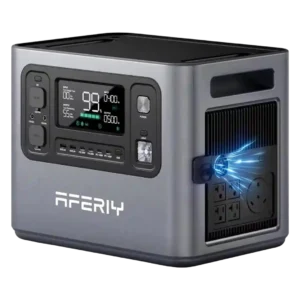
The combination of AC, high-power USB-C, USB-A, regulated 12V, and high-current XT60 outputs covers a wide range of home, RV, and mobile devices.
Pros: rated output, peak output
Cons: app connectivity, voltage regulation
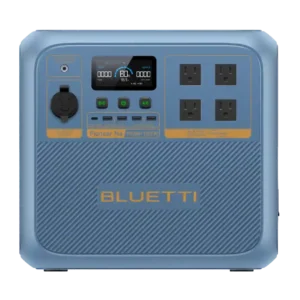
The overall output mix covers most common loads and is generally considered versatile, though the USB balance keeps it from feeling fully modern.
Pros: pure sine wave output, startup performance
Cons: MPPT controller performance, battery expandability
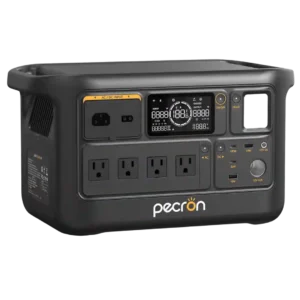
The combination of four AC outlets plus USB and 12V connections gives the F1000 enough flexibility for mixed everyday loads without relying heavily on adapters.
Pros: rated output, peak output
Cons: startup reliability, whole-home integration
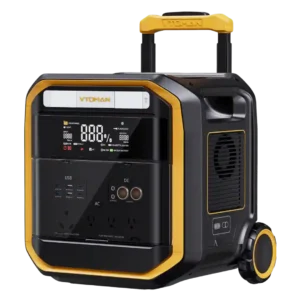
Four AC outlets, multiple USB ports, dual car sockets, barrel connectors, and a high-current connection create an unusually versatile port array. One 120V-focused review flagged the lack of a 240V...
Pros: power output, surge capacity
Cons: specification accuracy, peak output
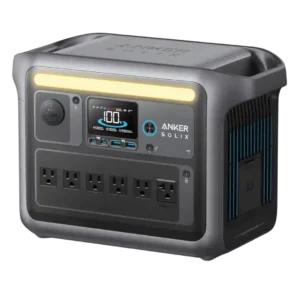
The combination of AC, USB-C, USB-A, and 12V outputs is widely praised as generous. A few specialized users still want more DC barrel or USB ports.
Pros: power output, rated output
Cons: dual-input charging, cable storage
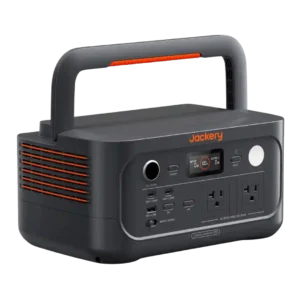
The overall connection mix is versatile for laptops, phones, and small appliances, though heavier multi-device setups may still need an extra adapter or hub.
Pros: output stability, pure sine wave output
Cons: remaining runtime estimate, Bluetooth connectivity
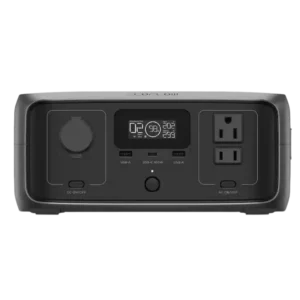
The AC, USB-C, USB-A, and 12V mix is versatile for a compact station, with only minor omissions.
Pros: noise level, idle noise
Cons: self-discharge rate, air travel suitability
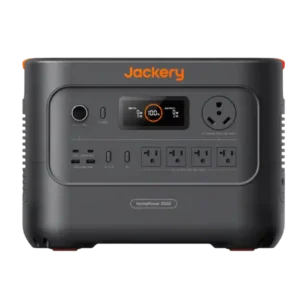
The AC and USB mix covers most everyday needs, but three AC sockets and no 240V output can restrict larger backup setups.
Pros: power output, rated output
Cons: battery expandability, car charging speed
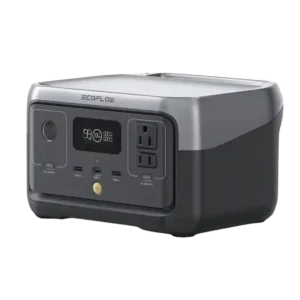
The USB, 12V, and AC mix covers common portable electronics well, but the limited number of AC connections narrows heavier use.
Pros: surge capacity, output stability
Cons: dual-input charging, whole-home integration
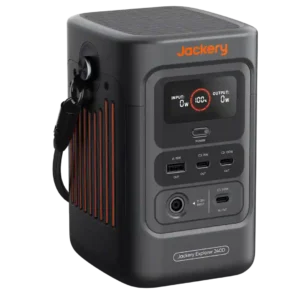
The USB-focused port array is excellent for modern electronics, but the lack of AC and 12V outputs makes the overall selection highly use-case dependent.
Pros: power output, rated output
Cons: AC outlet count, repairability
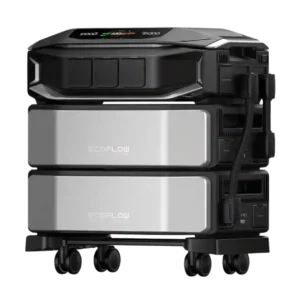
Port selection is one of the clearer compromises. The true 50A and 30A connections fit whole-home use well, but reviewers repeatedly miss the extra 120V and USB/DC options found on...
Pros: output stability, voltage regulation
Cons: solar cable compatibility, UPS functionality

Two AC outlets cover the intended appliance-backup role, but the absence of USB and 12V options sharply limits versatility.
Pros: power output, rated output
Cons: USB-A ports, 12-volt outlet
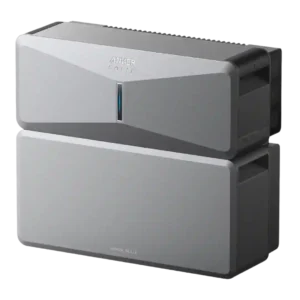
Direct plug-in flexibility is poor because the E10 inverter has no built-in AC outlets; adapters or home-integration hardware are required.
Pros: rated output, surge capacity
Cons: outlet selection, AC outlet count