#1
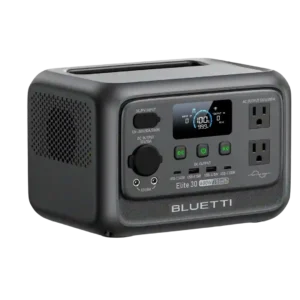
The port mix is unusually generous for the size, with AC, high-power USB-C, USB-A, a car socket, and barrel outputs. It can cover most small-device setups without adapters.
Pros: rated output, output stability
Cons: over-voltage protection, cold-weather performance
#2
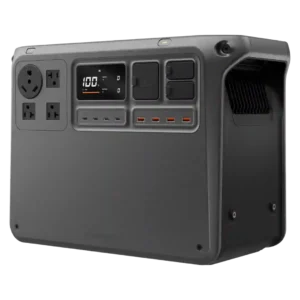
The generous mix of AC, USB, 30-amp, and SDC connections is one of the strongest port selections in this size class.
Pros: rated output, peak output
Cons: startup reliability, full-load noise
#3
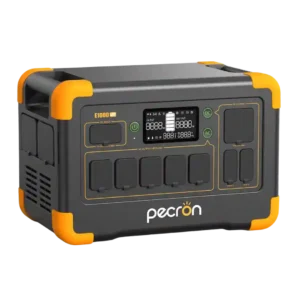
The port mix is broad and practical for camping, cameras, small electronics, and backup use, with AC, USB, car-socket, barrel, and high-current XT60 options.
Pros: inverter quality, LiFePO4 battery
Cons: idle noise, built-in light
#4
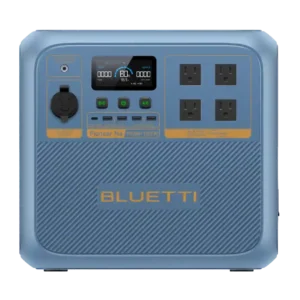
The overall output mix covers most common loads and is generally considered versatile, though the USB balance keeps it from feeling fully modern.
Pros: pure sine wave output, startup performance
Cons: MPPT controller performance, battery expandability
#5
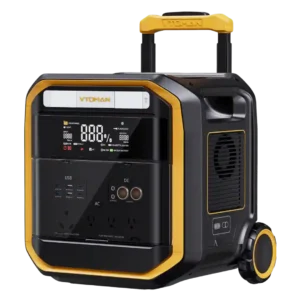
Four AC outlets, multiple USB ports, dual car sockets, barrel connectors, and a high-current connection create an unusually versatile port array. One 120V-focused review flagged the lack of a 240V...
Pros: power output, surge capacity
Cons: specification accuracy, peak output
#6
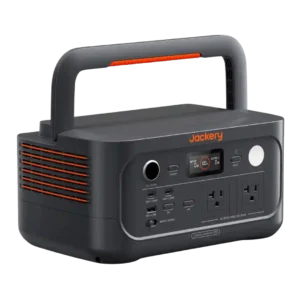
The overall connection mix is versatile for laptops, phones, and small appliances, though heavier multi-device setups may still need an extra adapter or hub.
Pros: output stability, pure sine wave output
Cons: remaining runtime estimate, Bluetooth connectivity
#7
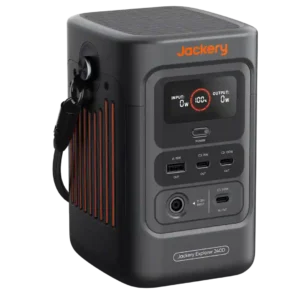
The USB-focused port array is excellent for modern electronics, but the lack of AC and 12V outputs makes the overall selection highly use-case dependent.
Pros: power output, rated output
Cons: AC outlet count, repairability
#8
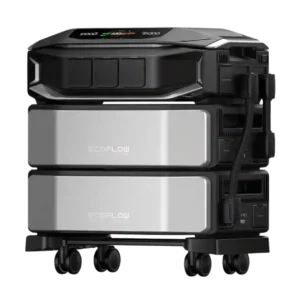
Port selection is one of the clearer compromises. The true 50A and 30A connections fit whole-home use well, but reviewers repeatedly miss the extra 120V and USB/DC options found on...
Pros: output stability, voltage regulation
Cons: solar cable compatibility, UPS functionality
