Best for noise level
EcoFlow Delta Pro Ultra X
5.0 feature score
Highest scored product for this feature based on supporting review evidence.

Highest scored product for this feature based on supporting review evidence.
Balances feature score, supporting reviews, and overall product strength.
Has the broadest review evidence for this feature.
Strongest overall product among items with scored evidence for this feature.
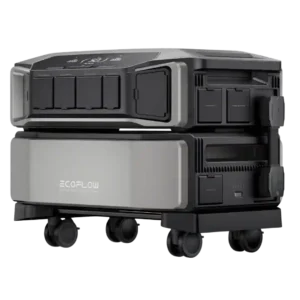
Quiet operation is one of the most unanimous strengths. Multiple testers describe the DPU as nearly silent or whisper-quiet even while charging or supporting substantial loads.
Pros: power quality, simultaneous device support
Cons: battery percentage accuracy, firmware updates
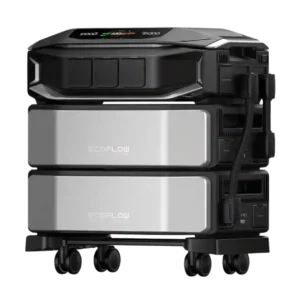
Quiet operation is consistently impressive. Reviewers describe the Ultra X as nearly silent or difficult to hear even while supporting meaningful loads, a major advantage over generators and some DIY...
Pros: output stability, voltage regulation
Cons: solar cable compatibility, UPS functionality
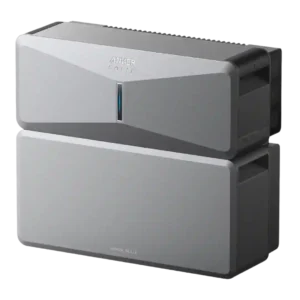
Silence is a major E10 strength. The passive-cooled inverter has no fans, and users repeatedly describe it as effectively unnoticeable indoors, in garages, or overnight.
Pros: rated output, surge capacity
Cons: outlet selection, AC outlet count
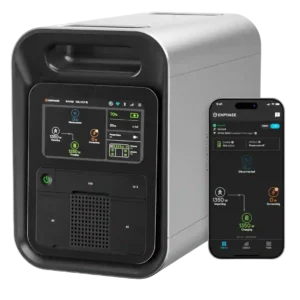
Quiet fans and clean inverter operation make it well suited to living rooms, home offices, and indoor outage use.
Pros: rated output, output stability
Cons: runtime at full load, RV outlet
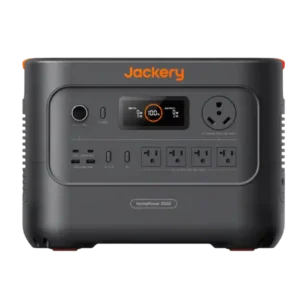
Quiet operation is a notable advantage, with fan noise staying unobtrusive even during demanding use.
Pros: power output, rated output
Cons: battery expandability, car charging speed
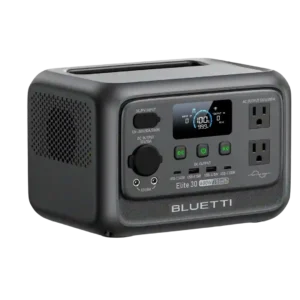
Quiet operation is one of the most consistent strengths. At light loads it is nearly silent, and even the fan under heavier use is usually unobtrusive.
Pros: rated output, output stability
Cons: over-voltage protection, cold-weather performance
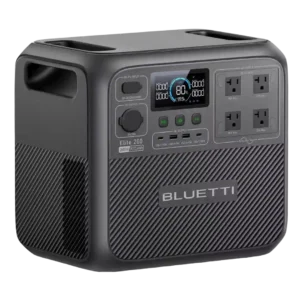
The station is unusually quiet at light and heavy loads, making it suitable for bedrooms, offices, campsites, and recording environments.
Pros: output stability, pure sine wave output
Cons: specification accuracy, startup reliability
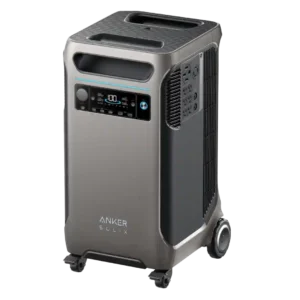
Quiet operation is one of the clearest strengths. Under ordinary and even substantial loads, it is often described as whisper-quiet and suitable for nighttime or indoor use.
Pros: rated output, output stability
Cons: car charging speed, USB-A ports
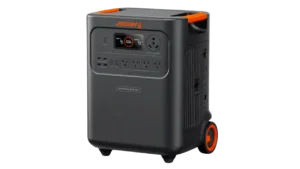
Quiet operation is one of the strongest points of agreement. Even under meaningful loads, reviewers often found the unit far quieter than fuel generators.
Pros: output stability, voltage regulation
Cons: DC output, 12-volt outlet
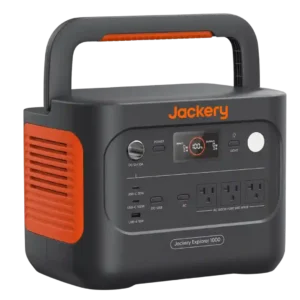
Quiet operation is one of the clearest strengths, with most users comfortable running it indoors, overnight, or near neighbors.
Pros: rated output, peak output
Cons: standby power loss, specification accuracy
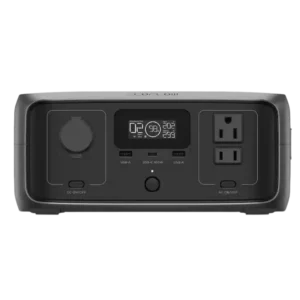
Near-silent operation is the River 3’s most universally praised trait, suitable for bedrooms, offices, tents, and TV rooms.
Pros: noise level, idle noise
Cons: self-discharge rate, air travel suitability
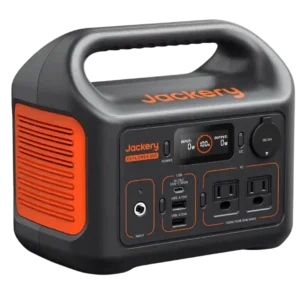
Quiet operation is a consistent strength; the fan is usually barely noticeable and low-load use can be essentially silent.
Pros: output stability, voltage regulation
Cons: battery expandability, water resistance
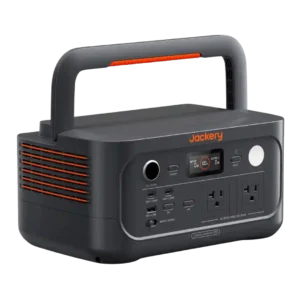
Quiet operation is one of the product’s strongest comfort advantages, with several reviewers describing it as nearly silent or whisper-quiet in normal use.
Pros: output stability, pure sine wave output
Cons: remaining runtime estimate, Bluetooth connectivity
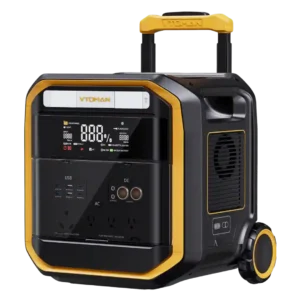
Fan noise is minimal and often masked by the appliance being powered; at lighter loads, reviewers described the unit as effectively silent.
Pros: power output, surge capacity
Cons: specification accuracy, peak output
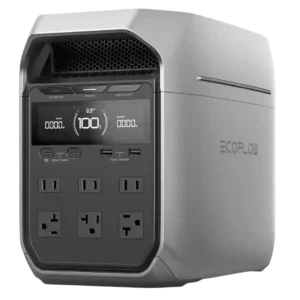
Most units are exceptionally quiet, even under meaningful loads, making indoor and campsite use comfortable. A recurring minority report rhythmic or loud fan behavior.
Pros: rated output, peak output
Cons: 30-amp output, parallel operation support
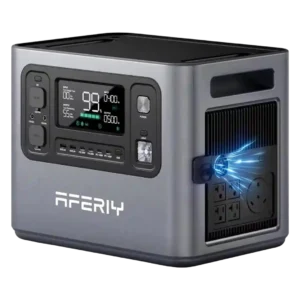
The station is generally quiet in ordinary use and much more pleasant than a fuel generator. Fan and inverter noises become more noticeable at maximum load or in silent rooms.
Pros: rated output, peak output
Cons: app connectivity, voltage regulation
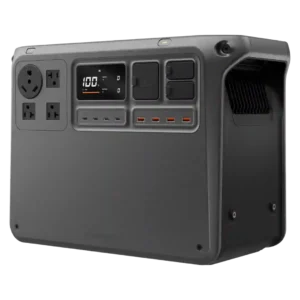
Near-silent operation is one of the most consistent strengths, though one stress test recorded loud fans at sustained maximum load.
Pros: rated output, peak output
Cons: startup reliability, full-load noise
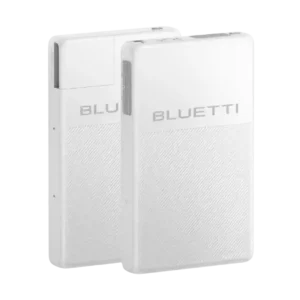
Normal refrigerator backup is usually quiet enough to fade into the kitchen. Charging and heavier loads bring audible fan noise, but it is generally described as manageable rather than intrusive.
Pros: power output, rated output
Cons: USB-A ports, 12-volt outlet
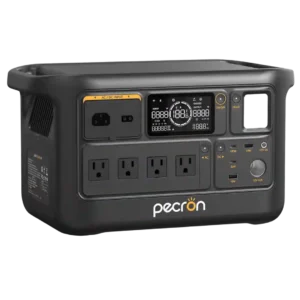
Most users find the F1000 quiet in ordinary use, and several tests report very low fan noise. One customer calls the fan very noisy, so noise experience is not completely...
Pros: rated output, peak output
Cons: startup reliability, whole-home integration
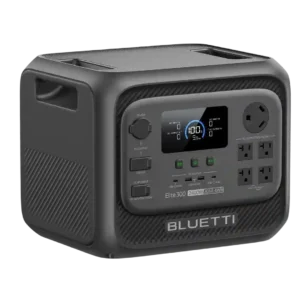
Normal operation is usually quiet enough for apartments, RVs, tents, and recording work. Under heavy load or fast charging, some units became noticeably louder than competing stations.
Pros: surge capacity, voltage regulation
Cons: water resistance, ventilation requirements
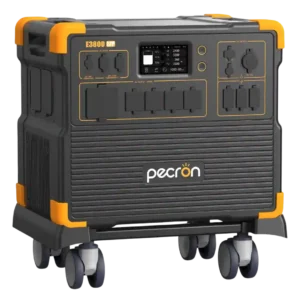
Most lab-style testing found the E3800LFP relatively quiet even under high load, but one customer found the cooling fan unacceptably intrusive even below 200W.
Pros: surge capacity, output stability
Cons: app connectivity, idle noise
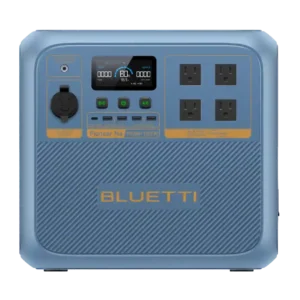
Noise is usually well controlled and often praised as quiet, especially at normal loads. Fast charging can make the fans more noticeable, and a few testers measured higher levels than...
Pros: pure sine wave output, startup performance
Cons: MPPT controller performance, battery expandability
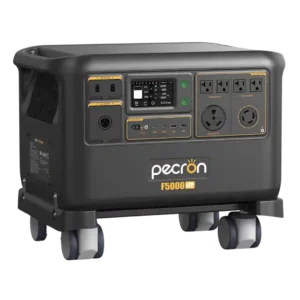
Noise depends heavily on operating conditions. Light-load and quiet-mode behavior can be very quiet, but multiple reviewers report clearly audible or intrusive fan noise once charging or output climbs.
Pros: power output, output stability
Cons: firmware updates, built-in light
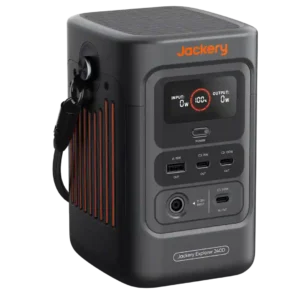
The DC-only design is usually silent or nearly silent. A few reports mention fan or coil noise, including unexpected fan activity at light loads.
Pros: power output, rated output
Cons: AC outlet count, repairability
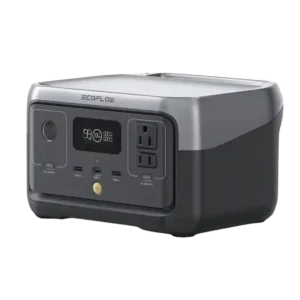
The fan is usually quiet or off at light loads, but fast AC charging and heavy output can produce audible whine or loud bursts.
Pros: surge capacity, output stability
Cons: dual-input charging, whole-home integration
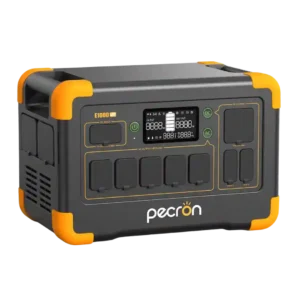
Fan noise varies notably by unit and workload, ranging from whisper-quiet to clearly louder than competitors; most owners find it acceptable, but noise-sensitive bedroom users should be cautious.
Pros: inverter quality, LiFePO4 battery
Cons: idle noise, built-in light
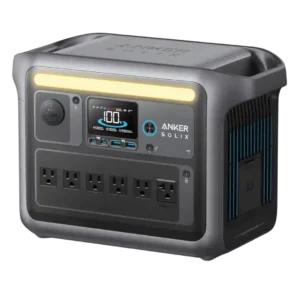
Noise opinions depend heavily on load: light use can be quiet, while fast charging or high output can sound harsh or loud. Fan noise is the most consistent complaint.
Pros: power output, rated output
Cons: dual-input charging, cable storage
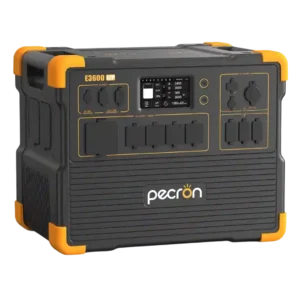
Noise is highly unit- and load-dependent, ranging from barely noticeable to loud fan and bearing sounds.
Pros: power output, rated output
Cons: output stability, voltage regulation
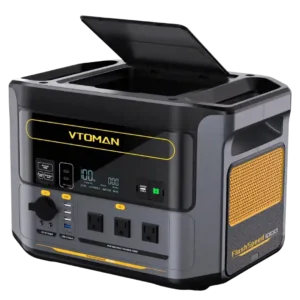
Noise varies sharply by workload: ordinary use is often quiet, but fast AC charging and sudden heavy loads can trigger very loud fans.
Pros: inverter quality, power quality
Cons: Wi-Fi connectivity, weather resistance
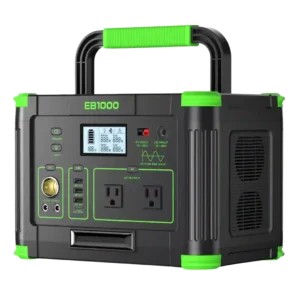
Noise varies sharply by load and unit condition. Normal operation can be quiet, but fans become noticeable above modest loads and defective bearings can be extremely disruptive.
Pros: rated output, output stability
Cons: battery expandability, startup reliability