Best for maximum solar input
Pecron F5000LFP
5.0 feature score
Highest scored product for this feature based on supporting review evidence.

Highest scored product for this feature based on supporting review evidence.
Balances feature score, supporting reviews, and overall product strength.
Has the broadest review evidence for this feature.
Strongest overall product among items with scored evidence for this feature.
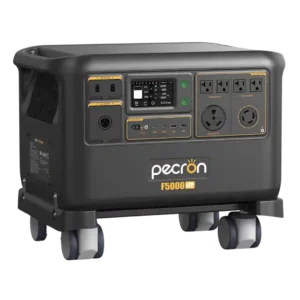
The enormous solar-input ceiling is the most universally praised specification in the entire review set. Reviewers repeatedly call the dual-input platform class-leading or exceptional for the price and well suited...
Pros: power output, output stability
Cons: firmware updates, built-in light
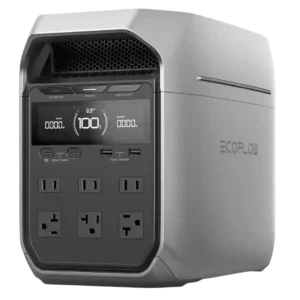
Two 500W MPPT inputs provide up to 1,000W of solar charging, unusually high for a compact 1kWh station.
Pros: rated output, peak output
Cons: 30-amp output, parallel operation support
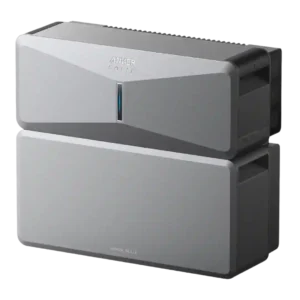
The 9kW-per-inverter solar input is one of the most celebrated specifications, repeatedly described as a major advantage over competing modular home-backup systems.
Pros: rated output, surge capacity
Cons: outlet selection, AC outlet count
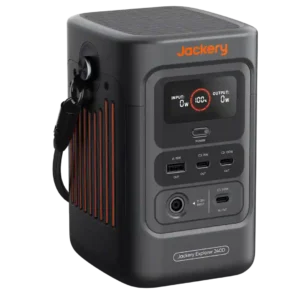
The dedicated solar input accepts about 100W and held that limit reliably in testing. That is well matched to portable panels in this size class.
Pros: power output, rated output
Cons: AC outlet count, repairability
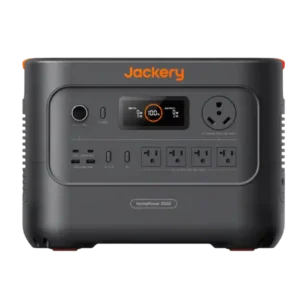
Up to 1,000W of solar input gives the station strong off-grid potential, though reaching that ceiling may require several panels and adapters.
Pros: power output, rated output
Cons: battery expandability, car charging speed
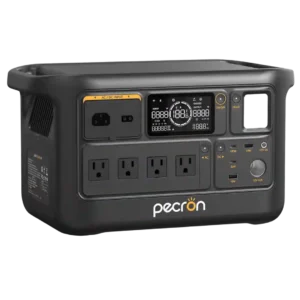
A 600W solar-input ceiling is unusually strong for a station this small and supports rapid off-grid recovery when panel voltage is configured correctly.
Pros: rated output, peak output
Cons: startup reliability, whole-home integration
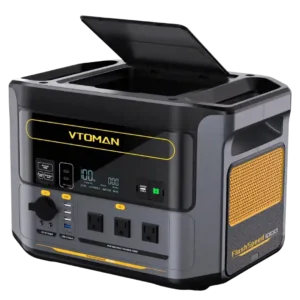
A hands-on test reached the full 300W solar limit immediately, confirming the rated input is achievable.
Pros: inverter quality, power quality
Cons: Wi-Fi connectivity, weather resistance
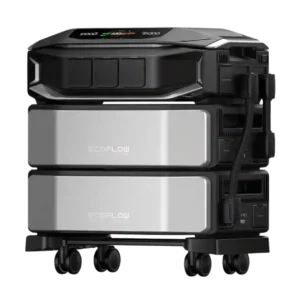
The 10kW solar ceiling is one of the Ultra X's biggest upgrades, making large fixed arrays practical and moving the system beyond the small folding-panel power-station category.
Pros: output stability, voltage regulation
Cons: solar cable compatibility, UPS functionality
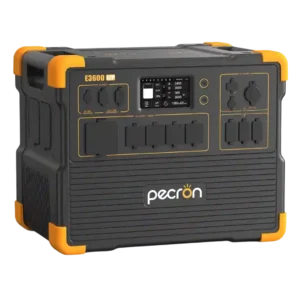
Up to roughly 2,400–2,500 watts of solar input is a standout capability and was repeatedly achieved in testing.
Pros: power output, rated output
Cons: output stability, voltage regulation
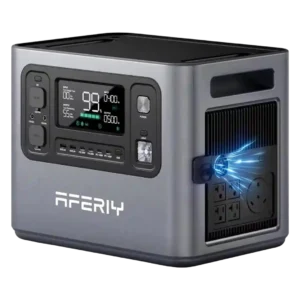
Two 600W inputs provide up to 1,200W of solar charging, one of the strongest capabilities in this size and price class.
Pros: rated output, peak output
Cons: app connectivity, voltage regulation
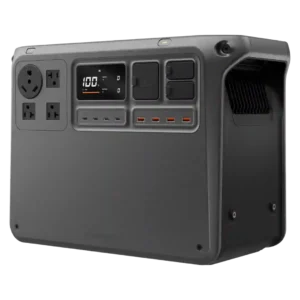
The unusually high solar-input ceiling makes rapid off-grid recharging possible with a large enough array and the correct accessory.
Pros: rated output, peak output
Cons: startup reliability, full-load noise
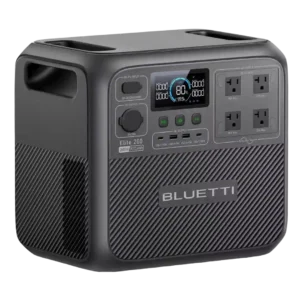
Up to 1,000W of solar input is strong for this capacity and can restore a full charge in a few good-sun hours.
Pros: output stability, pure sine wave output
Cons: specification accuracy, startup reliability
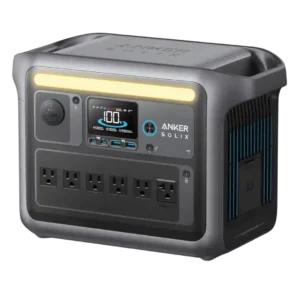
Up to 600W of solar is unusually strong for this footprint. Achieving the maximum requires panels with the right voltage and current characteristics.
Pros: power output, rated output
Cons: dual-input charging, cable storage
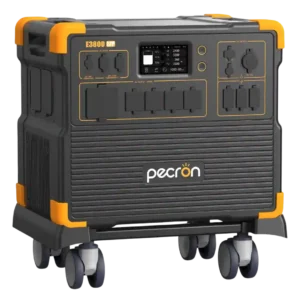
Dual high-voltage MPPT inputs provide unusually large solar capacity for the price, though one reviewer wanted more voltage headroom near the 150V ceiling.
Pros: surge capacity, output stability
Cons: app connectivity, idle noise
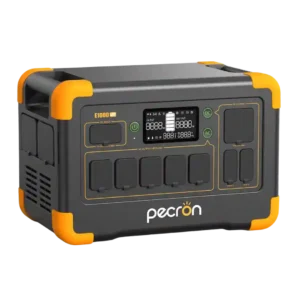
The 600W solar ceiling is strong for a 1,024Wh station and beats some direct competitors, though it becomes less adequate if the battery system is expanded heavily.
Pros: inverter quality, LiFePO4 battery
Cons: idle noise, built-in light
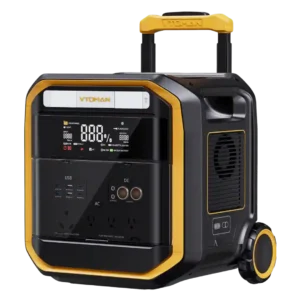
An 800W solar ceiling is considered strong for this capacity, and the broad voltage range gives users practical array flexibility.
Pros: power output, surge capacity
Cons: specification accuracy, peak output
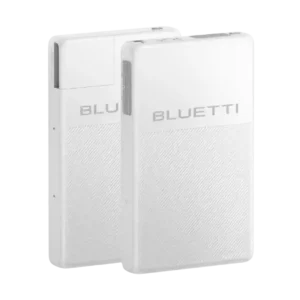
The controller approached its 1,000W rating in testing, reaching about 925–1,000W depending on voltage and panel setup. Achieving the maximum requires a suitably high-voltage array.
Pros: power output, rated output
Cons: USB-A ports, 12-volt outlet
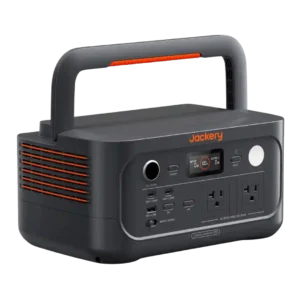
The 200W solar-input ceiling is a meaningful upgrade and well matched to this capacity, even if it is not class-leading.
Pros: output stability, pure sine wave output
Cons: remaining runtime estimate, Bluetooth connectivity
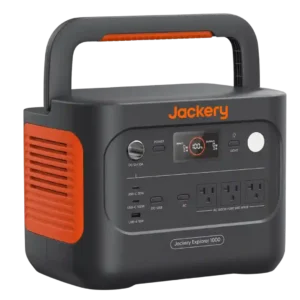
The solar-input ceiling is relatively modest beside some rivals, even though it can still support useful off-grid charging.
Pros: rated output, peak output
Cons: standby power loss, specification accuracy
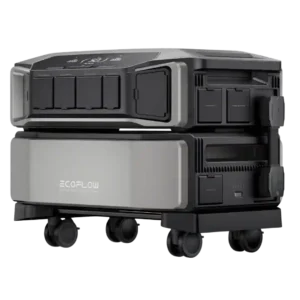
The large solar input is a major off-grid strength and supports serious arrays, but opinions vary by context. Some competitors now offer more, and at least one owner reported a...
Pros: power quality, simultaneous device support
Cons: battery percentage accuracy, firmware updates
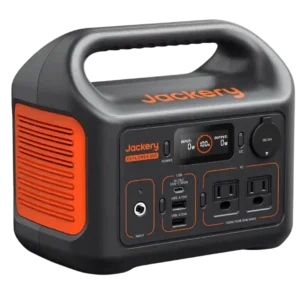
Solar input is limited compared with newer rivals, though one tester achieved an impressive peak above the nominal rating under ideal voltage.
Pros: output stability, voltage regulation
Cons: battery expandability, water resistance
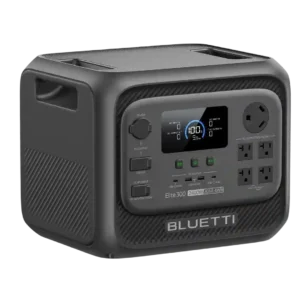
The 1,200W headline input is generous, but the 60V/22A window can make that ceiling difficult to reach with common panels. Several testers wanted a higher voltage limit.
Pros: surge capacity, voltage regulation
Cons: water resistance, ventilation requirements
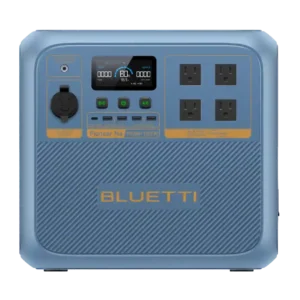
The 500W solar ceiling is adequate for a 900Wh battery and can refill it quickly in good sun, but several reviewers consider it modest and dislike the single-input arrangement.
Pros: pure sine wave output, startup performance
Cons: MPPT controller performance, battery expandability
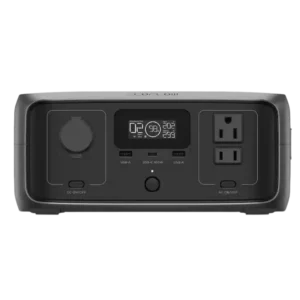
The 110W solar cap suits a 245Wh battery but feels restrictive to users who want faster off-grid charging.
Pros: noise level, idle noise
Cons: self-discharge rate, air travel suitability
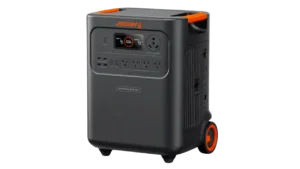
The 1,000W solar-input ceiling is a recurring weakness, especially for buyers with larger panel arrays or serious off-grid ambitions.
Pros: output stability, voltage regulation
Cons: DC output, 12-volt outlet
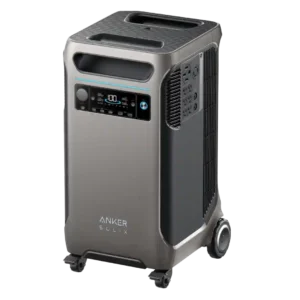
The advertised 2,400W ceiling is difficult to reach with common panels because of the 60V and amperage limits. Multiple tests achieved far less than the headline figure.
Pros: rated output, output stability
Cons: car charging speed, USB-A ports
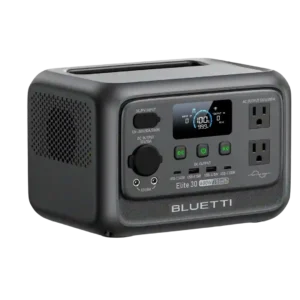
The 200W, 30V solar ceiling is adequate for a battery this size but can reject larger existing panels. Buyers need to check voltage as well as wattage.
Pros: rated output, output stability
Cons: over-voltage protection, cold-weather performance
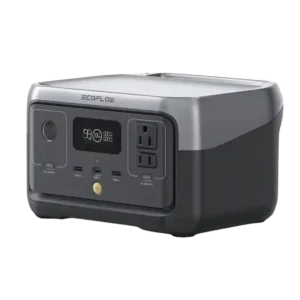
The 110W solar ceiling is suitable for the small battery but limits gains from larger panels.
Pros: surge capacity, output stability
Cons: dual-input charging, whole-home integration
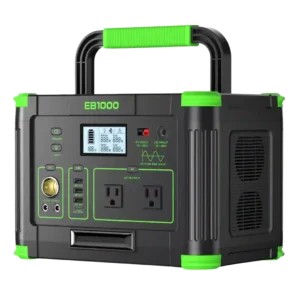
The roughly 150–155W solar-input limit is one of the clearest weaknesses, restricting how quickly a nearly 1kWh battery can be replenished.
Pros: rated output, output stability
Cons: battery expandability, startup reliability
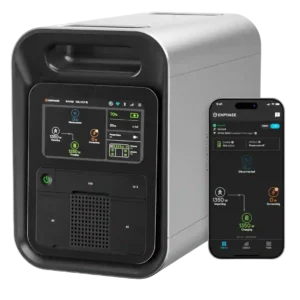
The 440 W solar ceiling is one of the most consistent complaints, especially at this price and battery size.
Pros: rated output, output stability
Cons: runtime at full load, RV outlet