Best for long-term reliability
AFERIY P280
5.0 feature score
Highest scored product for this feature based on supporting review evidence.

Highest scored product for this feature based on supporting review evidence.
Balances feature score, supporting reviews, and overall product strength.
Has the broadest review evidence for this feature.
Strongest overall product among items with scored evidence for this feature.
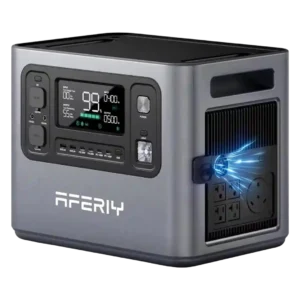
Several owners used the station daily for weeks or months without faults, including sustained RV, boat, and winter use.
Pros: rated output, peak output
Cons: app connectivity, voltage regulation
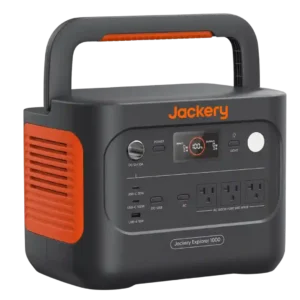
Heavy daily use over several months produced dependable performance, with users describing it as equipment they could trust every day.
Pros: rated output, peak output
Cons: standby power loss, specification accuracy
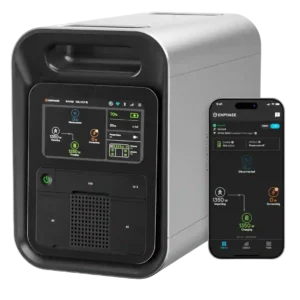
Hands-on use was reliable, and the engineering choices are designed to reduce common long-storage failures.
Pros: rated output, output stability
Cons: runtime at full load, RV outlet
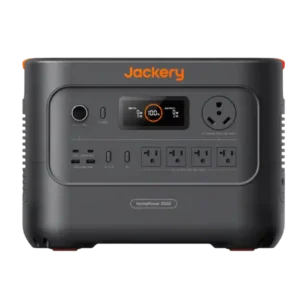
LFP chemistry and high cycle ratings support strong long-term reliability for backup and professional use.
Pros: power output, rated output
Cons: battery expandability, car charging speed
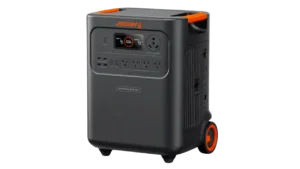
One field review specifically emphasized dependable operation in harsh cold, reinforcing confidence in longer-term backup use.
Pros: output stability, voltage regulation
Cons: DC output, 12-volt outlet
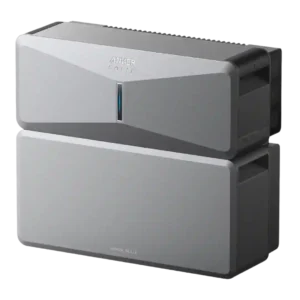
In a week-long real-world resilience test, the system was described as rock solid with no meaningful reliability problems.
Pros: rated output, surge capacity
Cons: outlet selection, AC outlet count
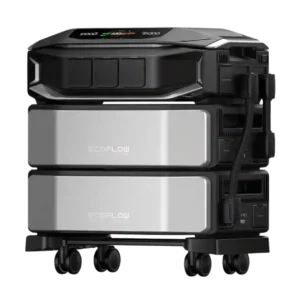
The strongest long-term report is very positive: one owner says the Ultra X has run flawlessly for more than a year while supporting a property through repeated outages.
Pros: output stability, voltage regulation
Cons: solar cable compatibility, UPS functionality
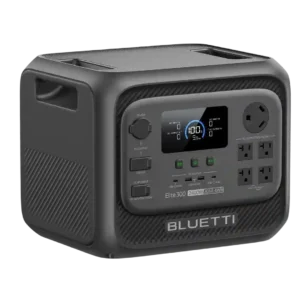
Extended use was generally consistent and trouble-free, with several testers describing the unit as dependable infrastructure rather than a gadget.
Pros: surge capacity, voltage regulation
Cons: water resistance, ventilation requirements
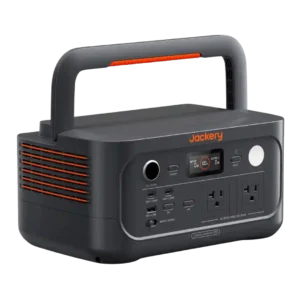
Reliability is a consistent strength, with the product described as dependable, built to last, and easy to trust on regular trips.
Pros: output stability, pure sine wave output
Cons: remaining runtime estimate, Bluetooth connectivity
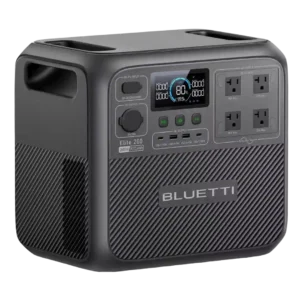
Months of heavy use are mostly reassuring, but scattered dead-on-arrival and early-failure reports prevent a perfect reliability record.
Pros: output stability, pure sine wave output
Cons: specification accuracy, startup reliability
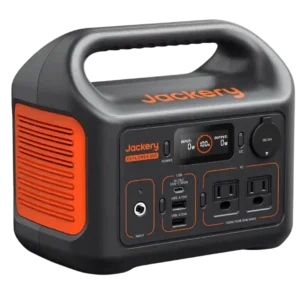
Long-term reliability is a major positive, with several owners reporting years of travel and frequent use without meaningful failures.
Pros: output stability, voltage regulation
Cons: battery expandability, water resistance
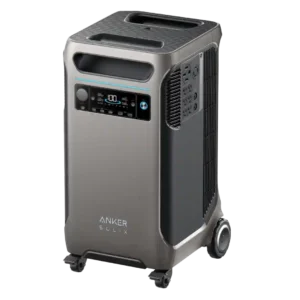
Most extended-use reports describe dependable day-after-day operation, including off-grid shops and repeated outages. A smaller set of charging failures keeps the picture from being flawless.
Pros: rated output, output stability
Cons: car charging speed, USB-A ports
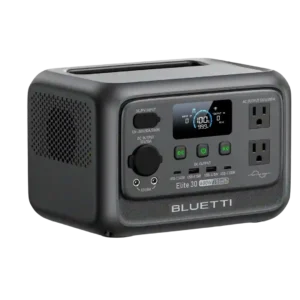
Most owners report repeated trouble-free use, including months of continuous UPS duty. A small number of defective or draining units keep the reliability picture from being flawless.
Pros: rated output, output stability
Cons: over-voltage protection, cold-weather performance
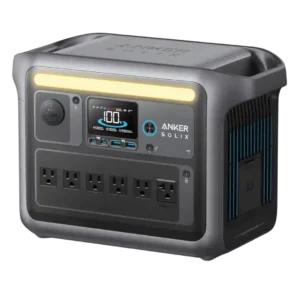
Many owners report months or more than a year of regular use without meaningful capacity loss. A smaller number encountered charging or inverter problems later in ownership.
Pros: power output, rated output
Cons: dual-input charging, cable storage
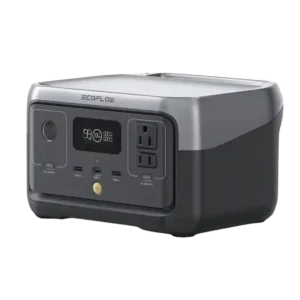
Multi-year adventure use and daily installations are encouraging, yet a handful of owners experienced failures within months.
Pros: surge capacity, output stability
Cons: dual-input charging, whole-home integration
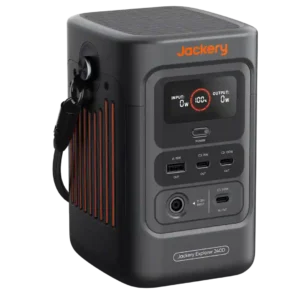
Brand reputation and LiFePO4 chemistry inspire confidence, but isolated early failures keep the long-term outlook from being unequivocal.
Pros: power output, rated output
Cons: AC outlet count, repairability
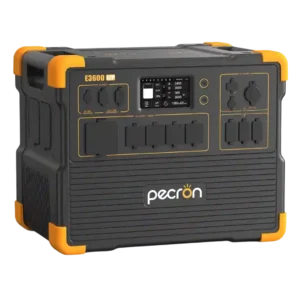
Long-term reliability is the biggest uncertainty: many owners report flawless daily use, while a meaningful minority describe early electronics, inverter, or battery failures.
Pros: power output, rated output
Cons: output stability, voltage regulation
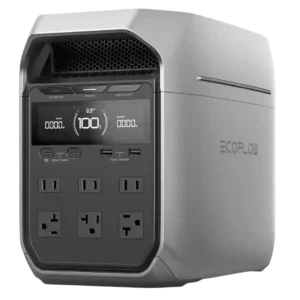
Many users remain happy after months or more than a year, yet several detailed reports describe early failures and recurring error codes. Reliability is therefore less consistent than the strong...
Pros: rated output, peak output
Cons: 30-amp output, parallel operation support
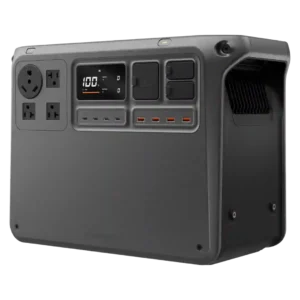
Most units performed reliably, but repeated bricking, early hardware failures, and idle shutdowns create a meaningful reliability caveat.
Pros: rated output, peak output
Cons: startup reliability, full-load noise
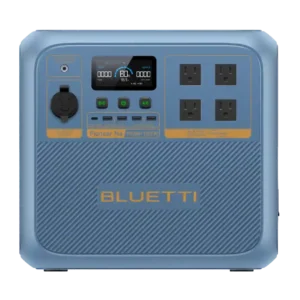
Day-one and six-month experiences are positive, but reviewers consistently caution that sodium-ion lacks the decade of field history needed to validate its lifespan claims.
Pros: pure sine wave output, startup performance
Cons: MPPT controller performance, battery expandability
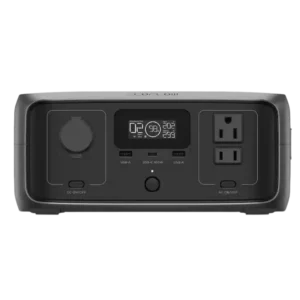
Many units run for months or years without trouble, but repeated early display faults and random AC shutdowns create a meaningful reliability caveat.
Pros: noise level, idle noise
Cons: self-discharge rate, air travel suitability
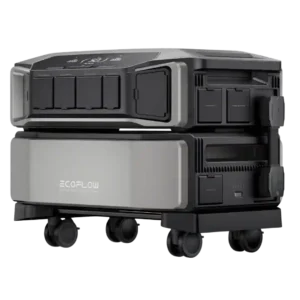
Reliability is the largest product-level uncertainty. Some users report months or more than a year of flawless continuous operation, while others experienced repeated inverter failures, display faults, connection problems, or...
Pros: power quality, simultaneous device support
Cons: battery percentage accuracy, firmware updates
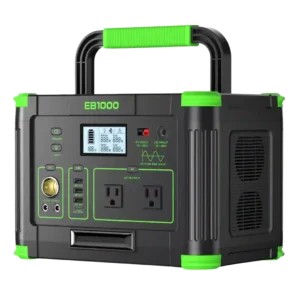
Long-term results are sharply split: some units remain dependable after a year or more, while many others fail within days, months, or around the one-year mark.
Pros: rated output, output stability
Cons: battery expandability, startup reliability
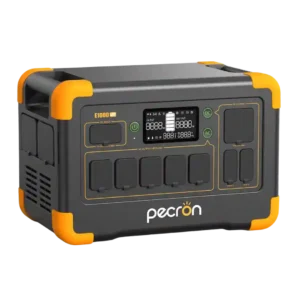
Long-term confidence is mixed: LiFePO4 cycle life is promising, but severe thermal behavior in one sample created legitimate concerns about component longevity.
Pros: inverter quality, LiFePO4 battery
Cons: idle noise, built-in light
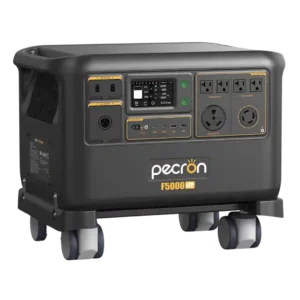
Long-term reliability remains uncertain because the model is still new and has limited ownership history. Reviewers generally like the underlying LiFePO4 platform but acknowledge that this specific implementation is less...
Pros: power output, output stability
Cons: firmware updates, built-in light
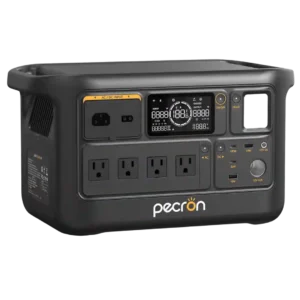
Reliability is the biggest customer-side concern: several units developed Err25 faults, one failed after only a couple of uses, and another arrived with zero output.
Pros: rated output, peak output
Cons: startup reliability, whole-home integration