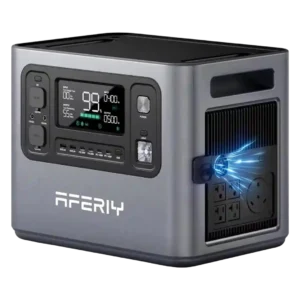
Several owners used the station daily for weeks or months without faults, including sustained RV, boat, and winter use.
Pros: rated output, peak output
Cons: app connectivity, voltage regulation

Several owners used the station daily for weeks or months without faults, including sustained RV, boat, and winter use.
Pros: rated output, peak output
Cons: app connectivity, voltage regulation
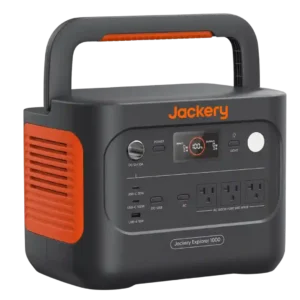
Heavy daily use over several months produced dependable performance, with users describing it as equipment they could trust every day.
Pros: rated output, peak output
Cons: standby power loss, specification accuracy
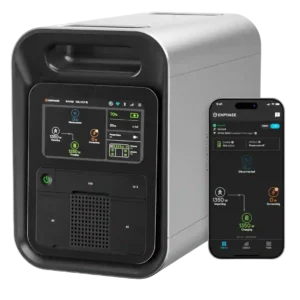
Hands-on use was reliable, and the engineering choices are designed to reduce common long-storage failures.
Pros: rated output, output stability
Cons: runtime at full load, RV outlet
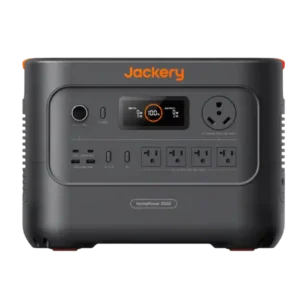
LFP chemistry and high cycle ratings support strong long-term reliability for backup and professional use.
Pros: power output, rated output
Cons: battery expandability, car charging speed
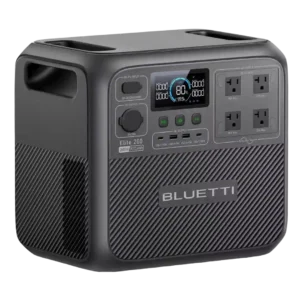
Months of heavy use are mostly reassuring, but scattered dead-on-arrival and early-failure reports prevent a perfect reliability record.
Pros: output stability, pure sine wave output
Cons: specification accuracy, startup reliability
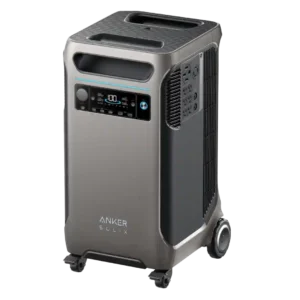
Most extended-use reports describe dependable day-after-day operation, including off-grid shops and repeated outages. A smaller set of charging failures keeps the picture from being flawless.
Pros: rated output, output stability
Cons: car charging speed, USB-A ports
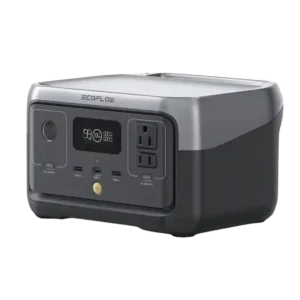
Multi-year adventure use and daily installations are encouraging, yet a handful of owners experienced failures within months.
Pros: surge capacity, output stability
Cons: dual-input charging, whole-home integration
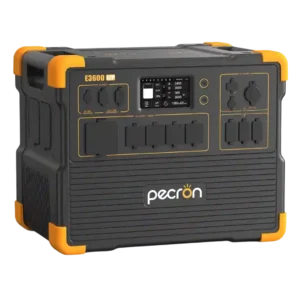
Long-term reliability is the biggest uncertainty: many owners report flawless daily use, while a meaningful minority describe early electronics, inverter, or battery failures.
Pros: power output, rated output
Cons: output stability, voltage regulation
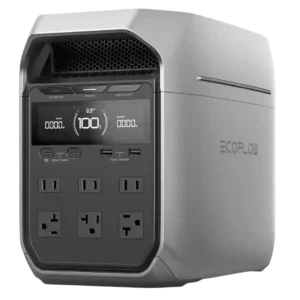
Many users remain happy after months or more than a year, yet several detailed reports describe early failures and recurring error codes. Reliability is therefore less consistent than the strong...
Pros: rated output, peak output
Cons: 30-amp output, parallel operation support
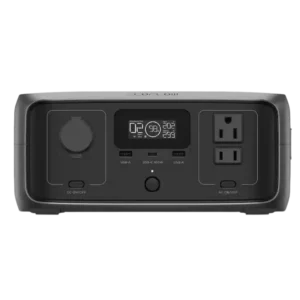
Many units run for months or years without trouble, but repeated early display faults and random AC shutdowns create a meaningful reliability caveat.
Pros: noise level, idle noise
Cons: self-discharge rate, air travel suitability
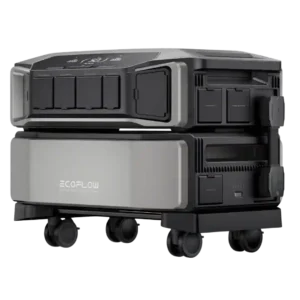
Reliability is the largest product-level uncertainty. Some users report months or more than a year of flawless continuous operation, while others experienced repeated inverter failures, display faults, connection problems, or...
Pros: power quality, simultaneous device support
Cons: battery percentage accuracy, firmware updates