Best for ease of setup
EcoFlow Delta 3 Plus Review
5.0 feature score
Highest scored product for this feature based on supporting review evidence.

Highest scored product for this feature based on supporting review evidence.
Balances feature score, supporting reviews, and overall product strength.
Has the broadest review evidence for this feature.
Strongest overall product among items with scored evidence for this feature.
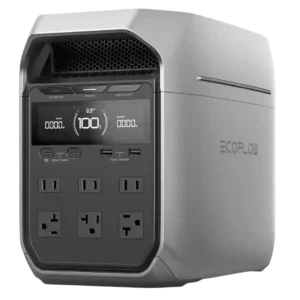
Most users can unpack, connect, and begin using the station or app within minutes.
Pros: rated output, peak output
Cons: 30-amp output, parallel operation support
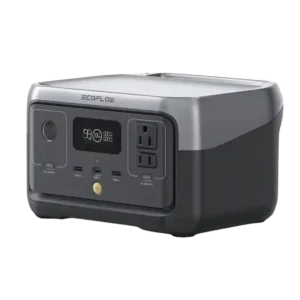
Most buyers found setup, app pairing, and first use straightforward, with plug-and-play operation.
Pros: surge capacity, output stability
Cons: dual-input charging, whole-home integration
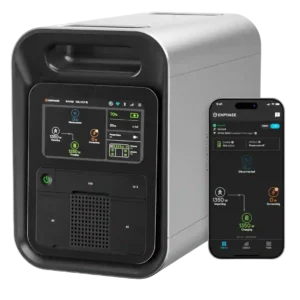
Charging, app pairing, Wi-Fi connection, and basic operation are repeatedly described as straightforward.
Pros: rated output, output stability
Cons: runtime at full load, RV outlet
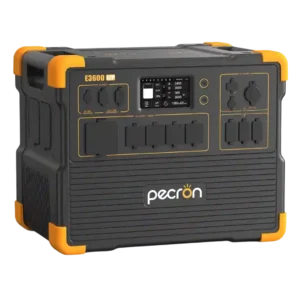
Setup is largely plug-and-play, helped by clear controls and, in one case, an excellent manual.
Pros: power output, rated output
Cons: output stability, voltage regulation
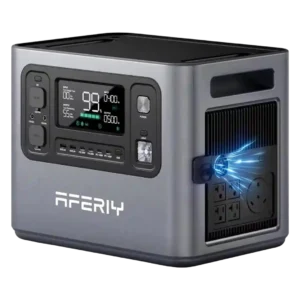
The all-in-one design is far simpler than assembling batteries, an inverter, charge controllers, fuses, and heavy cabling separately.
Pros: rated output, peak output
Cons: app connectivity, voltage regulation
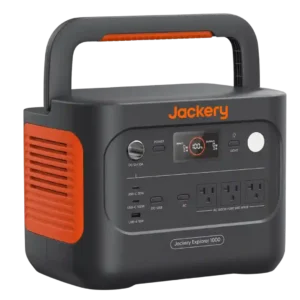
There is no assembly or complicated startup process; users can connect the app or simply plug in devices and begin.
Pros: rated output, peak output
Cons: standby power loss, specification accuracy
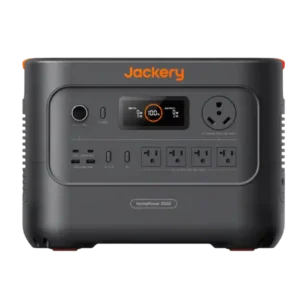
Basic setup is simple: connect wall power, solar, or both, and the station is ready with little configuration.
Pros: power output, rated output
Cons: battery expandability, car charging speed
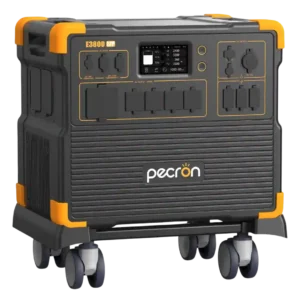
The station and 240V bundle are generally straightforward to deploy, with plug-and-play behavior praised by beginners.
Pros: surge capacity, output stability
Cons: app connectivity, idle noise
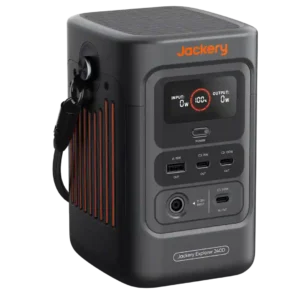
Setup is minimal: unbox the station, attach the cable-handle, and connect a charger or device. The straightforward start-up process suits first-time users.
Pros: power output, rated output
Cons: AC outlet count, repairability
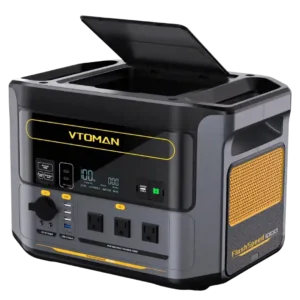
The controls are simple enough that first-time users needed little help from the manual before charging devices.
Pros: inverter quality, power quality
Cons: Wi-Fi connectivity, weather resistance
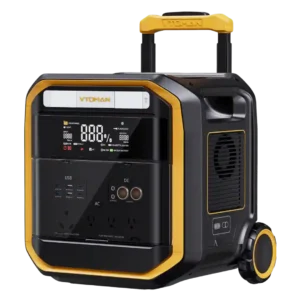
Operation is genuinely plug-and-play, with no complicated wiring required for common appliance, workshop, or backup uses.
Pros: power output, surge capacity
Cons: specification accuracy, peak output
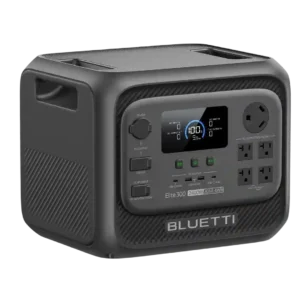
The all-in-one design avoids complex inverter and battery wiring. Most setups were described as plug-and-play, with app pairing and solar connections taking only minutes.
Pros: surge capacity, voltage regulation
Cons: water resistance, ventilation requirements
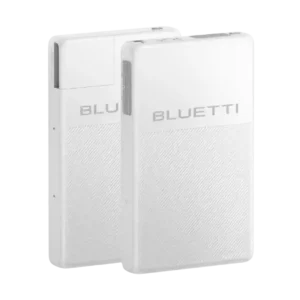
Basic installation is genuinely plug-and-play: connect the wall, connect the appliance, and switch it on. Wall mounting and tight kitchen layouts can add some physical work.
Pros: power output, rated output
Cons: USB-A ports, 12-volt outlet
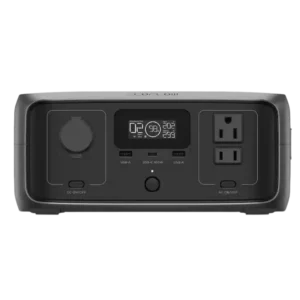
Network pairing and initial operation are typically quick, requiring little effort.
Pros: noise level, idle noise
Cons: self-discharge rate, air travel suitability
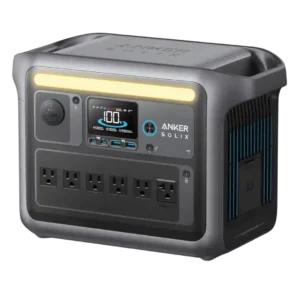
Initial operation and app pairing are usually straightforward. Registration, missing documentation, or app connection issues complicated setup for a small group of owners.
Pros: power output, rated output
Cons: dual-input charging, cable storage
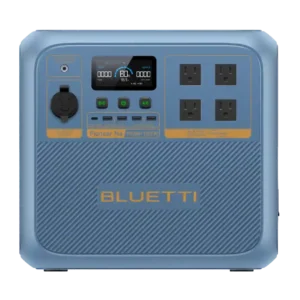
The familiar Bluetti layout and straightforward controls make the station quick to understand and operate despite the new battery chemistry.
Pros: pure sine wave output, startup performance
Cons: MPPT controller performance, battery expandability
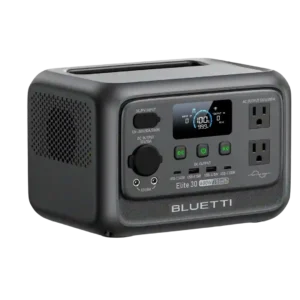
Most users can charge it and begin using it immediately, with little or no setup. Documentation and app access are the main exceptions when something goes wrong.
Pros: rated output, output stability
Cons: over-voltage protection, cold-weather performance
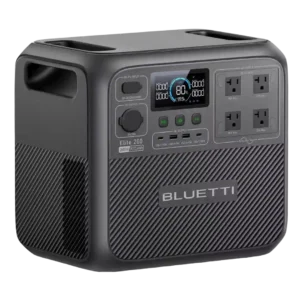
Most users can plug in and start immediately, although app setup and unusual charging behavior caused occasional frustration.
Pros: output stability, pure sine wave output
Cons: specification accuracy, startup reliability
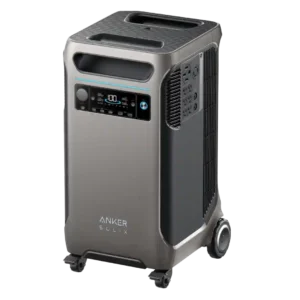
Portable setup is usually plug-and-play, and even electrician-installed home integrations were described as straightforward. A small number of users struggled with Bluetooth, solar, or regional app settings.
Pros: rated output, output stability
Cons: car charging speed, USB-A ports
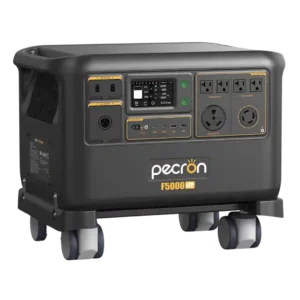
Setup is usually described as straightforward or nearly plug-and-play for users comfortable with basic electrical connections. More advanced home integration and solar-voltage requirements add some learning for first-time buyers.
Pros: power output, output stability
Cons: firmware updates, built-in light
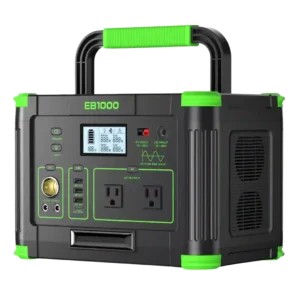
Setup is largely plug-and-play, with clear basic steps and minimal effort required to begin charging or powering devices.
Pros: rated output, output stability
Cons: battery expandability, startup reliability
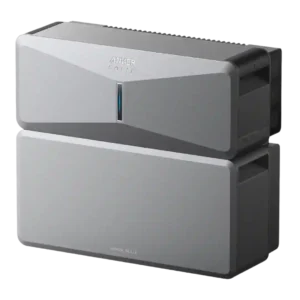
Once the required electrical work is complete, battery stacking, color-coded connections, and app commissioning are widely described as unusually simple. The caveat is permitting and professional installation, which can range...
Pros: rated output, surge capacity
Cons: outlet selection, AC outlet count
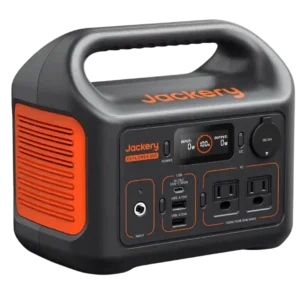
Setup is generally straightforward and works out of the box, with the main exception being somewhat awkward solar-panel positioning in one test.
Pros: output stability, voltage regulation
Cons: battery expandability, water resistance
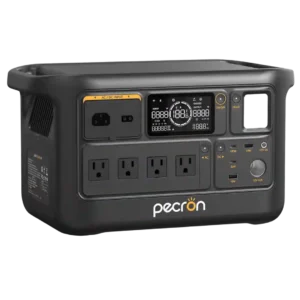
Setup is generally simple, especially for AC and solar charging, though one customer needed extra help getting everything connected at first.
Pros: rated output, peak output
Cons: startup reliability, whole-home integration
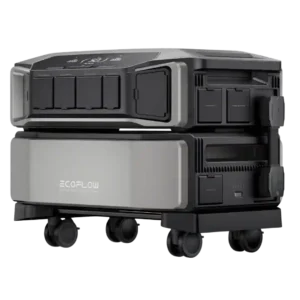
Basic inverter-and-battery setup is usually quick and plug-and-play, and several owners were running within minutes. Whole-home integration is more demanding and often requires panel work or a licensed electrician.
Pros: power quality, simultaneous device support
Cons: battery percentage accuracy, firmware updates
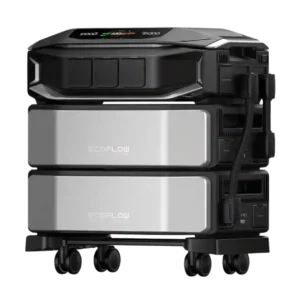
Setup opinions depend heavily on configuration. Basic modular connections and Smart Home Panel installation can be straightforward, but the mandatory solar isolator and its wiring push solar setup beyond the...
Pros: output stability, voltage regulation
Cons: solar cable compatibility, UPS functionality
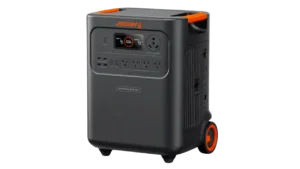
Setup is usually straightforward, but solar-panel assembly and larger home-integration plans can add friction and preparation work.
Pros: output stability, voltage regulation
Cons: DC output, 12-volt outlet
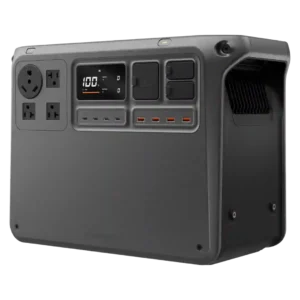
Basic operation is straightforward, while app installation, double-press controls, and accessory configuration can add friction.
Pros: rated output, peak output
Cons: startup reliability, full-load noise
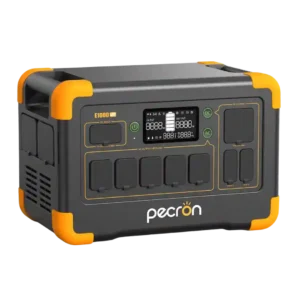
Basic hardware setup is simple and clearly labeled, but app onboarding can be clunky enough to drag down the otherwise easy experience.
Pros: inverter quality, LiFePO4 battery
Cons: idle noise, built-in light