Best for battery expandability
EcoFlow Delta 3 Plus Review
5.0 feature score
Highest scored product for this feature based on supporting review evidence.

Highest scored product for this feature based on supporting review evidence.
Balances feature score, supporting reviews, and overall product strength.
Has the broadest review evidence for this feature.
Strongest overall product among items with scored evidence for this feature.
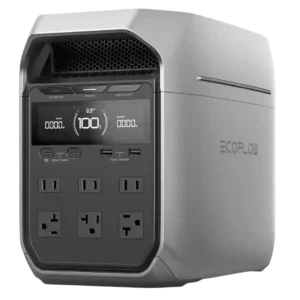
Capacity can grow from 1,024Wh to as much as 5kWh using several EcoFlow battery families, making the station unusually flexible.
Pros: rated output, peak output
Cons: 30-amp output, parallel operation support
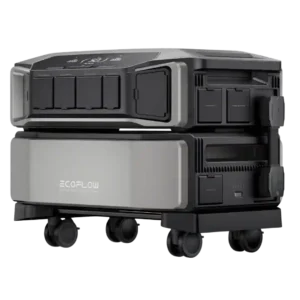
Expansion is the DPU’s most consistently praised trait. Buyers can start small and add batteries or additional inverter stacks over time, making the system unusually adaptable to growing backup needs.
Pros: power quality, simultaneous device support
Cons: battery percentage accuracy, firmware updates
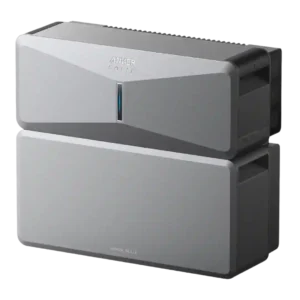
Adding storage is one of the E10's clearest strengths: batteries stack directly, expansion is straightforward, and several users said they could add capacity without reworking the core installation.
Pros: rated output, surge capacity
Cons: outlet selection, AC outlet count
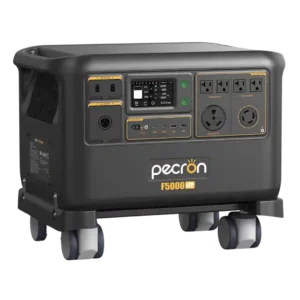
Expansion is a major strength, with reviewers praising the ability to build a much larger storage system over time. Pecron's cross-model expansion-battery compatibility and relatively affordable add-on batteries also earn...
Pros: power output, output stability
Cons: firmware updates, built-in light
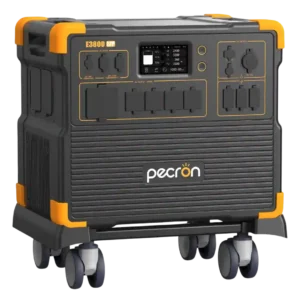
Expansion is one of the platform’s strongest advantages, allowing much longer outage runtime without replacing the main unit.
Pros: surge capacity, output stability
Cons: app connectivity, idle noise
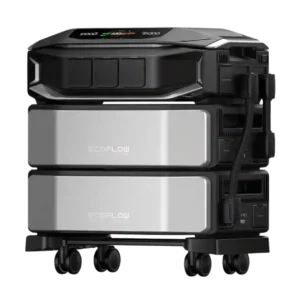
Battery expansion is a major strength: owners can add packs over time instead of replacing the original system. The long expansion cable also makes side-by-side stacks easier to arrange.
Pros: output stability, voltage regulation
Cons: solar cable compatibility, UPS functionality
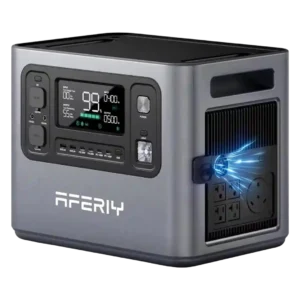
Expansion is one of the clearest strengths: up to four extra packs can raise storage to about 10.24kWh. The main caveats are added cost, bulk, and the need to confirm...
Pros: rated output, peak output
Cons: app connectivity, voltage regulation
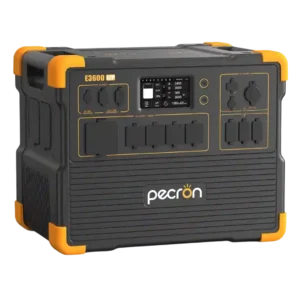
Expansion is a major advantage, with support for multiple batteries and unusually large total system capacity.
Pros: power output, rated output
Cons: output stability, voltage regulation
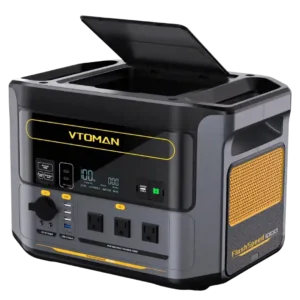
The 1,548Wh add-on battery lifts total capacity to 2,376Wh and is repeatedly described as a major improvement for long trips and outages.
Pros: inverter quality, power quality
Cons: Wi-Fi connectivity, weather resistance
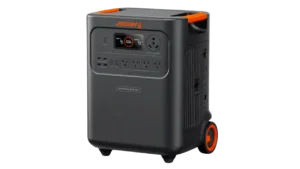
Battery expansion is one of the product’s strongest advantages, allowing the system to grow far beyond the base 3.6kWh capacity.
Pros: output stability, voltage regulation
Cons: DC output, 12-volt outlet
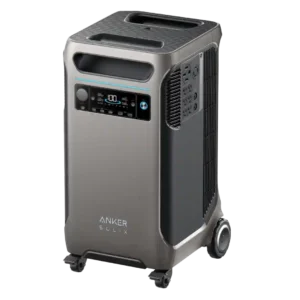
Adding BP3800 batteries is one of the product’s strongest features, allowing the system to scale from short-term essentials to multi-day backup. Cable availability and expansion-battery pricing can complicate that promise.
Pros: rated output, output stability
Cons: car charging speed, USB-A ports
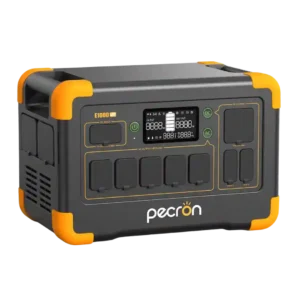
Expansion is a major advantage: the E1000LFP can grow to roughly 4kWh, making it much more adaptable than fixed-capacity alternatives, though some rivals scale slightly higher.
Pros: inverter quality, LiFePO4 battery
Cons: idle noise, built-in light
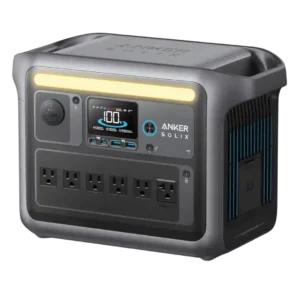
An optional battery can double storage to about 2.1kWh, a useful step-up for longer trips. Buyers note that only one expansion battery is supported and the add-on can be costly.
Pros: power output, rated output
Cons: dual-input charging, cable storage
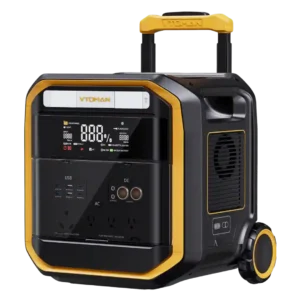
Expansion is appealing because an add-on pack can roughly double capacity, but availability and documentation appear inconsistent across markets and review dates.
Pros: power output, surge capacity
Cons: specification accuracy, peak output
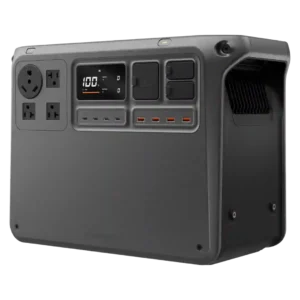
Expansion can grow the system dramatically, but occupying SDC ports and the high price of extra batteries temper the appeal.
Pros: rated output, peak output
Cons: startup reliability, full-load noise

Extra BlueCell packs can stretch fridge backup from roughly a day to several days. Connecting them is easy, but the side-by-side layout and inability to charge packs independently make larger...
Pros: power output, rated output
Cons: USB-A ports, 12-volt outlet
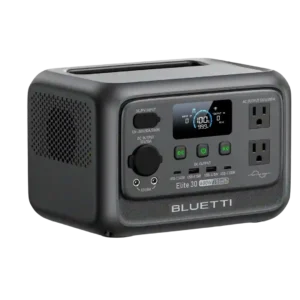
There is no straightforward expansion-battery path. Users needing more capacity must move to a larger model or rely on awkward custom solutions.
Pros: rated output, output stability
Cons: over-voltage protection, cold-weather performance
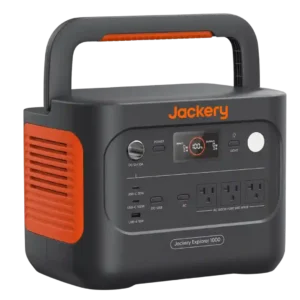
Capacity is fixed, so buyers who may need extra battery modules are repeatedly directed toward larger expandable alternatives.
Pros: rated output, peak output
Cons: standby power loss, specification accuracy
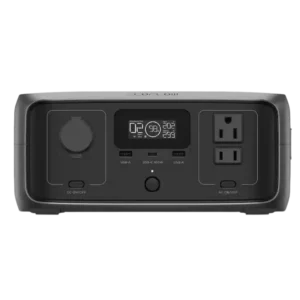
Capacity cannot be expanded on the base River 3.
Pros: noise level, idle noise
Cons: self-discharge rate, air travel suitability
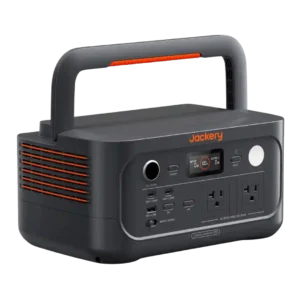
Battery capacity cannot be expanded, so buyers who may outgrow 512Wh will need to move to a larger system rather than add packs.
Pros: output stability, pure sine wave output
Cons: remaining runtime estimate, Bluetooth connectivity
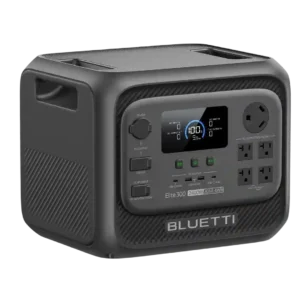
The fixed 3kWh capacity is the most repeated design limitation. Buyers who expect to add batteries later will need a different platform.
Pros: surge capacity, voltage regulation
Cons: water resistance, ventilation requirements
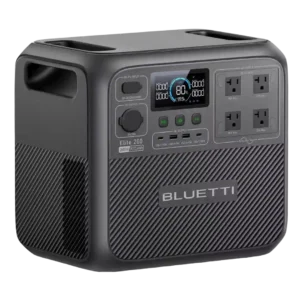
Capacity cannot be expanded with external batteries, a recurring drawback for buyers planning larger or longer-running systems.
Pros: output stability, pure sine wave output
Cons: specification accuracy, startup reliability
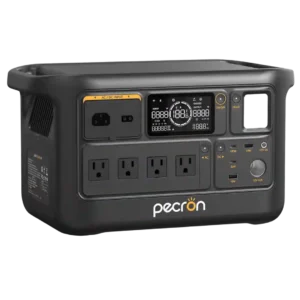
The fixed battery is the F1000’s most consistent design limitation. Buyers cannot add an expansion battery later, so growing energy needs require a different or additional power station.
Pros: rated output, peak output
Cons: startup reliability, whole-home integration
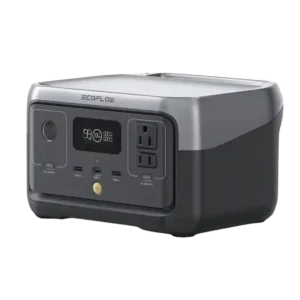
Capacity is fixed on the base model, and the lack of a clean add-on battery path makes larger River or Delta models better for growing needs.
Pros: surge capacity, output stability
Cons: dual-input charging, whole-home integration
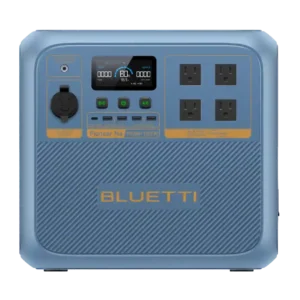
The fixed 900Wh battery is a clear limitation for buyers who expect their backup needs to grow, since external battery expansion is not supported.
Pros: pure sine wave output, startup performance
Cons: MPPT controller performance, battery expandability
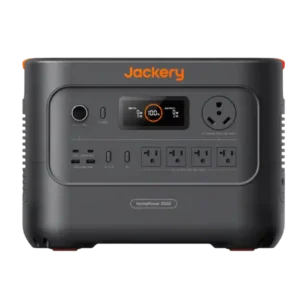
Capacity is fixed at 3,072Wh; buyers cannot add expansion batteries later, which limits multi-day backup growth.
Pros: power output, rated output
Cons: battery expandability, car charging speed
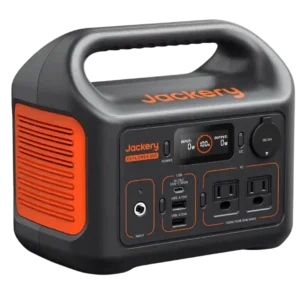
The internal battery cannot be expanded, so buyers who outgrow 293Wh must move to a larger or newer model.
Pros: output stability, voltage regulation
Cons: battery expandability, water resistance
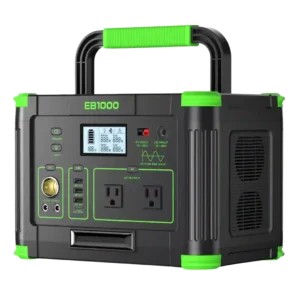
The internal battery cannot be expanded, so buyers who later need more capacity must add a separate station or replace the unit.
Pros: rated output, output stability
Cons: battery expandability, startup reliability