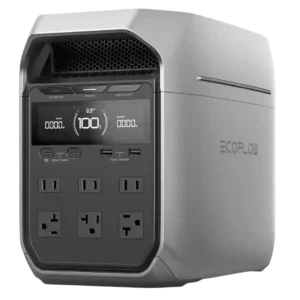
Capacity can grow from 1,024Wh to as much as 5kWh using several EcoFlow battery families, making the station unusually flexible.
Pros: rated output, peak output
Cons: 30-amp output, parallel operation support

Capacity can grow from 1,024Wh to as much as 5kWh using several EcoFlow battery families, making the station unusually flexible.
Pros: rated output, peak output
Cons: 30-amp output, parallel operation support
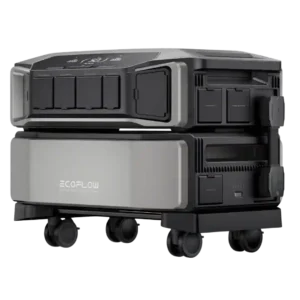
Expansion is the DPU’s most consistently praised trait. Buyers can start small and add batteries or additional inverter stacks over time, making the system unusually adaptable to growing backup needs.
Pros: power quality, simultaneous device support
Cons: battery percentage accuracy, firmware updates
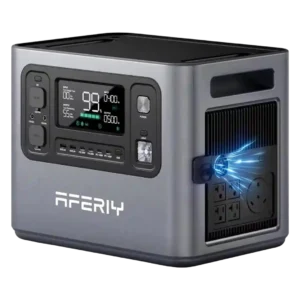
Expansion is one of the clearest strengths: up to four extra packs can raise storage to about 10.24kWh. The main caveats are added cost, bulk, and the need to confirm...
Pros: rated output, peak output
Cons: app connectivity, voltage regulation
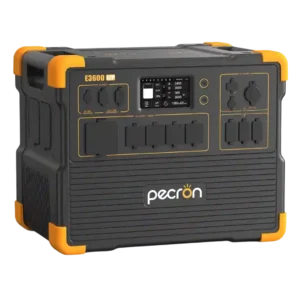
Expansion is a major advantage, with support for multiple batteries and unusually large total system capacity.
Pros: power output, rated output
Cons: output stability, voltage regulation
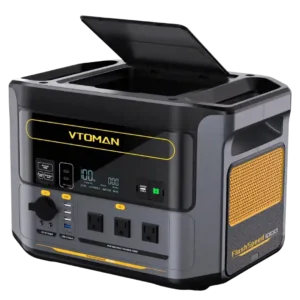
The 1,548Wh add-on battery lifts total capacity to 2,376Wh and is repeatedly described as a major improvement for long trips and outages.
Pros: inverter quality, power quality
Cons: Wi-Fi connectivity, weather resistance
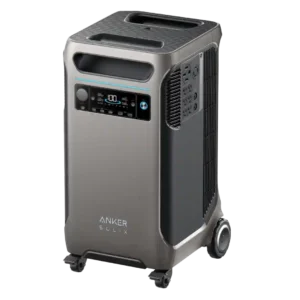
Adding BP3800 batteries is one of the product’s strongest features, allowing the system to scale from short-term essentials to multi-day backup. Cable availability and expansion-battery pricing can complicate that promise.
Pros: rated output, output stability
Cons: car charging speed, USB-A ports
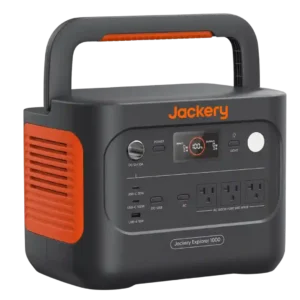
Capacity is fixed, so buyers who may need extra battery modules are repeatedly directed toward larger expandable alternatives.
Pros: rated output, peak output
Cons: standby power loss, specification accuracy
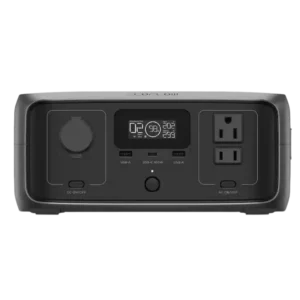
Capacity cannot be expanded on the base River 3.
Pros: noise level, idle noise
Cons: self-discharge rate, air travel suitability
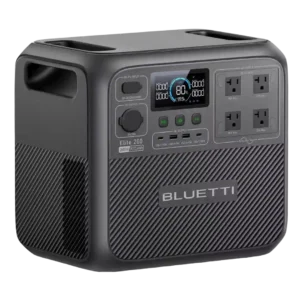
Capacity cannot be expanded with external batteries, a recurring drawback for buyers planning larger or longer-running systems.
Pros: output stability, pure sine wave output
Cons: specification accuracy, startup reliability
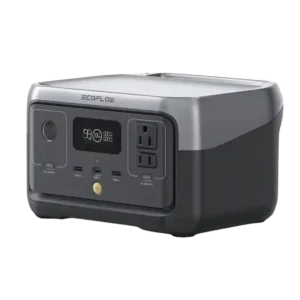
Capacity is fixed on the base model, and the lack of a clean add-on battery path makes larger River or Delta models better for growing needs.
Pros: surge capacity, output stability
Cons: dual-input charging, whole-home integration
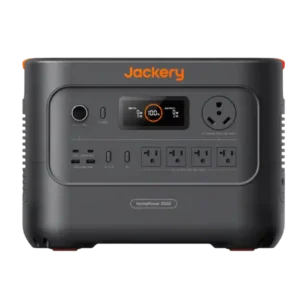
Capacity is fixed at 3,072Wh; buyers cannot add expansion batteries later, which limits multi-day backup growth.
Pros: power output, rated output
Cons: battery expandability, car charging speed