#1
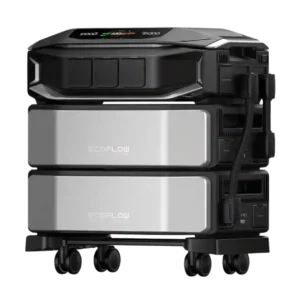
Battery expansion is a major strength: owners can add packs over time instead of replacing the original system. The long expansion cable also makes side-by-side stacks easier to arrange.
Pros: output stability, voltage regulation
Cons: solar cable compatibility, UPS functionality
#2
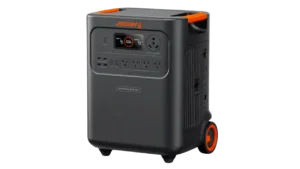
Battery expansion is one of the product’s strongest advantages, allowing the system to grow far beyond the base 3.6kWh capacity.
Pros: output stability, voltage regulation
Cons: DC output, 12-volt outlet
#3
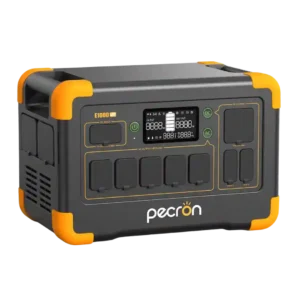
Expansion is a major advantage: the E1000LFP can grow to roughly 4kWh, making it much more adaptable than fixed-capacity alternatives, though some rivals scale slightly higher.
Pros: inverter quality, LiFePO4 battery
Cons: idle noise, built-in light
#4
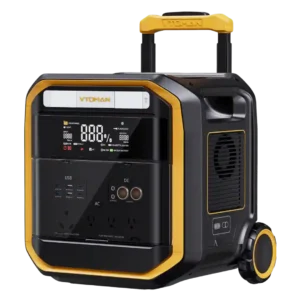
Expansion is appealing because an add-on pack can roughly double capacity, but availability and documentation appear inconsistent across markets and review dates.
Pros: power output, surge capacity
Cons: specification accuracy, peak output
#5
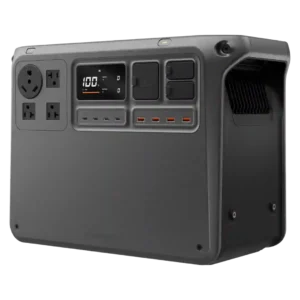
Expansion can grow the system dramatically, but occupying SDC ports and the high price of extra batteries temper the appeal.
Pros: rated output, peak output
Cons: startup reliability, full-load noise
#6
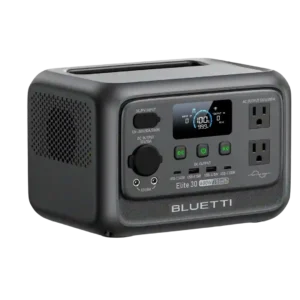
There is no straightforward expansion-battery path. Users needing more capacity must move to a larger model or rely on awkward custom solutions.
Pros: rated output, output stability
Cons: over-voltage protection, cold-weather performance
#7
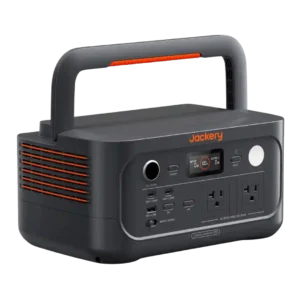
Battery capacity cannot be expanded, so buyers who may outgrow 512Wh will need to move to a larger system rather than add packs.
Pros: output stability, pure sine wave output
Cons: remaining runtime estimate, Bluetooth connectivity
#8
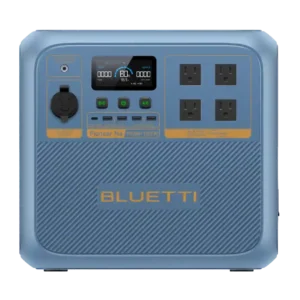
The fixed 900Wh battery is a clear limitation for buyers who expect their backup needs to grow, since external battery expansion is not supported.
Pros: pure sine wave output, startup performance
Cons: MPPT controller performance, battery expandability
