
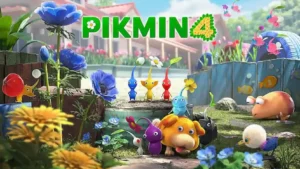
Pikmin 4: Nintendo Switch 2 Edition + Dandori Academy Feature Scores
Overall Scorata score: 3.7/5
Based on 30 analyzed reviews · View source samples
Explore all 64 feature scores for Pikmin 4: Nintendo Switch 2 Edition + Dandori Academy, organized into pros and cons.
Scores by Feature
Summary
64 reviewed features-
Very positive 4.5-5.022 (34%)
-
Positive 3.5-4.423 (36%)
-
Neutral 2.5-3.48 (13%)
-
Negative 1.5-2.47 (11%)
-
Very negative below 1.54 (6%)
Pros
Sort
-
The original Pikmin 4 adventure remains widely loved for its tactical creativity, charm, and discovery. Reservations focus much more on the scope of the Switch 2 upgrade than on the underlying game.
-
Dividing Pikmin across jobs, selecting special abilities, and finding efficient routes produce satisfying tactical decisions. The main story is more forgiving than older entries, but Academy stages push mastery further.
-
Native 4K docked and sharper handheld visuals make Pikmin’s miniature environments look cleaner and more detailed. Some find the change spectacular; others regard it as barely noticeable without a comparison.
-
Oatchi is a lovable, flexible helper who improves hauling, travel, and fights. His powerful early abilities can also reduce the difficulty too much.
-
Everyday gardens and rooms become inviting miniature worlds full of treasure, cave entrances, and unexpected detours. Discovering one more item is often the highlight of the game.
-
Grass, household objects, water, and Pikmin themselves gain extra definition, revealing the artistry of the small-scale world. A few new trial areas look flatter and less inspired.
-
The campaign generally welcomes new players without punishing them, while Graduate Academy exams demand serious precision. Some veterans find the main story too easy.
-
The new efficiency trials can be wonderfully addictive, especially when fine-tuning routes for higher medals. The limited selection at launch and familiar stage layouts leave some players underwhelmed.
-
High-score chasing, new monthly trials, and the already sizable campaign create reasons to return. Reused maps and restricted exams can also make repeat play feel less worthwhile.
-
Exploring, assembling a squad, and carrying home surprising treasures remains deeply satisfying and difficult to put down.
-
The campaign balances broad exploration with short side activities, keeping progress steady rather than repetitive or stressful.
-
The game cleverly reframes ordinary household and outdoor spaces as giant environments filled with surprises and personality.
-
A welcoming introduction helps beginners get comfortable with squad management. Some find the early tutorials overly persistent.
-
Controlling different Pikmin types is strategic yet approachable, with more opportunities for planning and creative solutions than first impressions suggest.
-
GameShare makes friend Dandori Battles more accessible across consoles, strengthening the game’s head-to-head appeal.
-
Dandori Battles, deep caves, rescue missions, and tense nighttime defense expeditions help keep the lengthy adventure varied.
-
GameShare lowers the barrier to playing Dandori Battles with a friend. The underlying campaign’s limited secondary-player role is still considered underdeveloped.
-
Exploration, tactical puzzles, caves, and defense battles ensure the original game has more variety than its simple premise suggests.
-
Early lessons and Academy practice explain planning well and offer helpful reminders, even for players returning after a break.
-
Even with the frequently cited 30fps cap, several players describe the adventure as smooth enough for its pace; another source reports exceptionally stable higher-frame-rate play.
-
Colorful, carefully composed miniature scenery gives Pikmin 4 a distinctive and lovingly crafted visual identity.
-
Recovering seemingly mundane objects becomes rewarding because each discovery has whimsical names and a satisfying sense of completion.
-
The Rescue Corps’ banter and absurd descriptions of everyday treasures add a consistently playful tone.
-
Combining Pikmin abilities to reach hidden objects and navigate obstacles is satisfying, though not everyone finds the caves or puzzles equally inventive.
-
The playable sample gives a useful taste of campaign exploration and Dandori exams, and hands-on practice even converted a skeptical player.
-
There is a substantial amount of adventure beyond the main objective, especially for players chasing full completion.
-
Keeping progress from the free demo makes trying the game low-risk before committing to the full edition.
-
Medals, rewards, stamps, and additional attempts can motivate continued practice, though the prizes are not universally exciting.
-
A low-to-the-ground view effectively emphasizes the huge scale of ordinary surroundings.
-
Shared Dandori exams and rankings create the feeling of a community optimizing the same problems together.
-
Rescue Corps conversations are lively and full of humorous exchanges.
-
The sharp, detailed world can feel like a living tabletop diorama, making ordinary gardens rewarding to revisit.
-
Pikmin 4 allows players to choose the order and pace of many activities rather than constantly racing a strict overall timer.
-
Optional challenges and tense nighttime defense missions enrich the adventure without forcing a single way to enjoy the main campaign.
-
The rescue plot is simple but charming, with humorous moments and an inviting premise rather than intricate storytelling.
-
Views differ between smooth operation and disappointing technical progress, especially concerning the frame-rate ceiling and longer loading times.
-
Rescued castaways have distinct personalities that give the supporting cast character.
-
Losing Pikmin can feel surprisingly sad, making the safety of the tiny squad matter.
-
The charming dog and funny spoken commands create moments likely to amuse younger players, although some nighttime battles are tense.
-
The map provides a practical way to plan routes through the large, treasure-filled locations.
-
Cross-game cosmetics and challenges connect console achievements to the mobile Pikmin experience, appealing to players who use both.
-
An existing player appreciated being able to transfer their Switch save rather than starting over.
-
Medal sharing and online comparisons could sustain conversation and friendly rivalry between weekly events.
-
Training Oatchi to handle increasingly difficult carrying and movement tasks opens satisfying new tactical options.
-
The rescue story’s light comic writing keeps its relatively simple plot entertaining.
Cons
Sort
-
Missing Joy-Con 2 mouse support is one of the most consistent complaints, particularly because pointing and commanding Pikmin seems ideal for the control scheme.
-
Several reviewers report disappointingly slow loads, with some finding the Switch 2 edition slower than the original. Others notice little difference or describe improvement, making results inconsistent.
-
A prominent Academy notice on the title screen looks intrusive to some players, undercutting an otherwise charming presentation.
-
Only a small batch of new trials arrives each month rather than the full promised set at launch. Although that may encourage recurring visits, many would rather have the complete collection immediately.
-
Most sources criticize the lack of a 60fps option despite stronger Switch 2 hardware, although a minority report improved motion. Several still consider the 30fps presentation comfortable for the slower-paced strategy.
-
Medals and practice perks provide some incentive to improve, but photo frames, stamps, and similar cosmetic unlocks are too slight for several players.
-
The new hardware brings cleaner visuals and extra challenges without major campaign changes. Whether that counts as a thoughtful refresh or a bare-minimum port strongly divides opinion.
-
Traditional commands remain reliable, but spoken Oatchi commands may misfire, miss requests, or react to voices in the room.
-
The secondary-player pebble-throwing role feels tacked on and can make an already easy campaign even simpler.
-
Several Academy maps are criticized for being copied directly from older stages, weakening the promised novelty.
-
The graphics-and-challenges tradeoff is attractive at a low price for some, but slower loads and minimal improvements lead others to reject it.
-
Photo-mode stamps are poor incentives for players who rarely use the camera feature.
-
GameShare is a welcome Switch 2 addition, but missing mouse input and limited higher-frame-rate options leave the hardware potential underused.
-
The relatively inexpensive Upgrade Pack softens the disappointment of limited extras. Value remains highly dependent on enjoying timed Dandori trials and appreciating the visual bump.
-
Talking to Oatchi can be amusing and occasionally convenient, particularly with the console nearby. False triggers, inconsistent recognition, and redundant button commands make the novelty wear thin for others.
-
Practice is broadly accessible, but scored exams operate in specific real-world windows with limited attempts. Some enjoy the exam-day stakes, while others find the restrictions inconvenient.
-
Fights add action to the exploration, but the relatively simple combat is less compelling than experimenting with Pikmin abilities.
-
The original adventure is rich with exploration and side activities, yet the Switch 2-only additions feel sparse at release. More Academy stages are planned rather than immediately available.
-
The campaign’s varied miniature settings and some clever Academy layouts earn praise, but copied challenge maps and repetitive caves draw criticism.
Use Cases
Best for
Sort
-
If optimizing Pikmin routes and hunting higher medals is your favorite part of the series, the Academy is a natural fit. Players less invested in timed challenges will likely find it a thin expansion.
-
This enhanced edition is an especially strong way to discover the highly regarded original adventure, with its full campaign and additional challenges included.
-
Advanced and Graduate exams give practiced players tougher planning puzzles and difficult medal goals, providing a welcome counterpoint to the gentler campaign.
-
Timed trials, ranked medals, and leaderboards are tailor-made for players who like shaving seconds from their best routes. Practice and limited retries make improvement rewarding.
-
A large television shows the clearest benefit of the upgrade: markedly sharper 4K scenery. The limited performance boost prevents it from feeling like a complete technical overhaul.
-
Those who enjoy searching for secrets, collecting unusual treasure, and solving environmental obstacles will find the main campaign particularly rewarding.
-
The sharper portable picture is well received, and microphone commands may work better with the system close by. Handheld play remains an attractive option.
-
This edition brings a notably cleaner picture and the new Dandori challenges to Switch 2. It is a strong starting point despite missing some expected hardware features.
-
Filling area counters, finding treasures, and securing high medals provide satisfying long-term goals.
-
The lighter difficulty settings and welcoming campaign make treasure hunting enjoyable at a comfortable pace, especially outside the timed Academy.
-
GameShare allows another player to join local competitive sessions without buying a separate copy, making quick head-to-head play inviting.
-
Creative task allocation, efficient routes, and different creature abilities make this an unusually approachable strategy adventure.
-
Dandori Battles and GameShare make it convenient to compete with a friend without requiring a second copy.
-
The welcoming difficulty and inviting world make ordinary exploration comfortable for casual players.
-
Gentle treasure hunting in a colorful miniature world is absorbing, though optional challenges can become hectic.
-
Short Academy stages are compact enough for brief play sessions while still offering meaningful chances to improve.
-
The original rescue adventure is still the strongest attraction for those who prefer discovery to recurring competitive exams.
-
Timed Academy routes encourage players to experiment with efficiency and shave seconds from each stage.
Conditional or not ideal for
Sort
-
Returning playersThe new Academy gives returning Dandori enthusiasts fresh competitive goals, but finished-game owners who mainly want better performance or more story have far less reason to upgrade.
-
Gaming with limited free timeThe underlying adventure can be played at your pace, but weekend exam windows and slow stage releases make the new competitive mode less convenient for unpredictable schedules.
-
Time-pressure-sensitive playersThe main adventure is relatively forgiving, but the Academy’s strict clocks and scheduled exams will frustrate players who prefer unrestricted exploration.
-
Offline gamingThe campaign can be enjoyed independently, but competitive Academy functions and some rewards depend on connectivity or specific online services.
-
Local co-op gamingCompetitive friend battles work better than the limited support role available in the campaign.
-
Players sensitive to low frame ratesPlayers seeking much smoother motion should not assume that this edition provides it; visual sharpness receives more attention than refresh-rate improvements.