Best for theme depth
Avatar: The Last Airbender, Season 2
5.0 attribute score
Highest scored product for this attribute based on supporting review evidence.

Highest scored product for this attribute based on supporting review evidence.
Balances the attribute score, supporting reviews, and overall product strength.
Has the broadest review evidence for this attribute.
Strongest overall product among items with scored evidence for this attribute.

Overall: 3.5/5
The season’s strongest material explores grief, responsibility, identity, authoritarian control, redemption, and the moral cost of war with more maturity than before.
Pros: character development, action quality
Cons: faithfulness to source material, season pacing

Overall: 2.7/5
A positive review praised Yennefer’s arc for exploring leadership, sacrifice, ambition, and moral duty with meaningful depth.
Pros: action quality, villain quality
Cons: entertainment value, faithfulness to source material

Overall: 4.5/5
Reviewers find meaningful ideas beneath the glitter: resilience, the cost of manufactured joy, privacy, guilelessness, and survival under public pressure.
Pros: emotional impact, interview and source material quality

Overall: 4.4/5
Friendship, memory, guilt, identity, trauma, midlife disappointment, Catholic inheritance, and the stories people tell about themselves all give the caper extra weight. Reviewers often found the emotional and cultural ideas...
Pros: humor, story quality
Cons: plot clarity, season length

Overall: 4.2/5
Season 2 goes deeper into ambition, class, power, legacy and moral corrosion. Even reviewers who miss the lighter comedy often acknowledge the richer thematic intent.
Pros: story quality, renewal interest
Cons: season pacing, plot clarity

Overall: 4.0/5
Parenthood, resilience, mental health, forgiveness and community give Season 7 its strongest thematic material. These themes often feel more convincing than the season’s high-stakes plotting.
Pros: story quality, emotional impact
Cons: drama quality, writing quality

Overall: 4.4/5
The strongest thematic praise centers on coercive control, faith, abuse, power, and institutional complicity. One reviewer wanted the religious dimension explored more fully.
Pros: emotional impact, educational value
Cons: plot clarity

Overall: 4.1/5
Free will, inherited trauma, good and evil, shame, and responsibility are treated as the story’s core rather than decorative ideas. Most sources find that philosophical layer substantial, even when it...
Pros: main cast performance, story quality
Cons: character balance, episode pacing

Overall: 4.2/5
Race, identity, revenge, and the cost of survival give the spectacle substantial ideas to explore. The conclusion’s familiar moral argument is less persuasive for a dissenting viewer.
Pros: Genre blending, acting performance
Cons: character development, season pacing

Overall: 4.3/5
Power, complicity, moral red lines, and the personal cost of public service give the season more substance than its sensational plot suggests.
Pros: Family relationships, romance quality
Cons: realism, character screen time

Overall: 3.8/5
The strongest thematic material centers on family secrecy, addiction, guilt, protection, and how well people truly know those closest to them. Some critics think those ideas get buried beneath the...
Pros: entertainment value, story quality
Cons: plot clarity, finale satisfaction

Overall: 3.9/5
Reputation becomes a trap rather than a tool, giving the story a strong thematic hook. Fame, presumed guilt, and the difficulty of leaving a criminal identity behind add substance to...
Pros: entertainment value, acting performance
Cons: AI portrayal, Gadgetry

Overall: 3.9/5
Class, autonomy, grief, friendship and the cost of love give Season 4 more thematic weight than its fairy-tale surface suggests.
Pros: entertainment value, story quality
Cons: plot originality, writing quality

Overall: 4.1/5
Faith, guilt, sexuality, belonging and social contagion give the story substantial ideas. Some feel its many concerns never receive adequate follow-through.
Pros: theme depth, acting performance
Cons: season pacing, ending satisfaction

Overall: 4.1/5
Democracy’s uncertain survival, the founders’ contradictions and imperfect compromises provide the strongest ideas. A few critics think the tidy presentation softens the harder debates.
Pros: theme depth, modern political framing
Cons: episode length, episode pacing

Overall: 3.9/5
Marriage, soulmates, inherited family trauma, belief, respect, and women’s agency give the horror genuine substance. The ideas can be heavy-handed or left incomplete, but they remain central.
Pros: suspense, theme depth
Cons: season pacing, story quality

Overall: 3.7/5
The film draws its meaning from the gap between fame and private fulfillment, and from the practical help Perry gave others. Nuanced personal memories connect one celebrity’s story to wider...
Pros: interview and source material quality, emotional impact
Cons: originality, entertainment value
Overall: 4.0/5
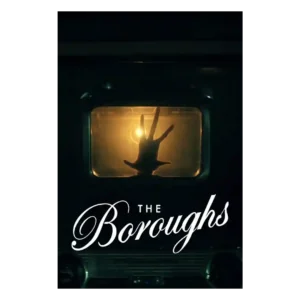
The show’s deepest praise centers on its aging, mortality, grief, and time themes. Some reviewers found those ideas wise and moving, while others thought the series eventually reduced them to...
Pros: entertainment value, acting quality
Cons: episode pacing, plot originality

Overall: 4.0/5
Theme depth is the series’ strongest throughline: critics repeatedly focus on suffering, aging, identity, anxiety, sacrifice, and the cost of greatness. The main caveat is that a few still wanted...
Pros: theme depth, interview and source material quality
Cons: episode pacing, season length

Overall: 3.7/5
At its best, the series uses rowing to explore teamwork, class, gender, grief, belonging, and rebuilding identity. Critics who dislike the writing see those themes as too repetitive or shallow.
Pros: sports storyline quality, character development
Cons: romance quality, plot originality

Overall: 4.1/5
The season’s deeper ideas are grief, survival, media intrusion, police failure, and how a child witness grows around trauma. Critics who wanted more nuance still recognized the strength of its...
Pros: story quality, emotional impact
Cons: season pacing

Overall: 4.3/5
Ambition, independence, gender expectations, money, race, and creative identity give the series substantial thematic material, though a few critics think the feminist message is either too blunt or overshadowed by...
Pros: main cast performance, entertainment value
Cons: plot originality, sexual content level

Overall: 3.1/5
The show’s best thematic material is about celebrity obsession, entrenched belief, public judgment, and whether contradictory realities can coexist. Critics who dislike it argue those ideas are not always explored...
Pros: media scrutiny portrayal, theme depth
Cons: interview and source material quality, plot originality

Overall: 4.1/5
The addiction, privilege, family loyalty, and gender-pressure material can be unexpectedly thoughtful and tender. The feminist ideas sometimes recede before they are explored fully.
Pros: main cast performance, supporting cast performance
Cons: season pacing, episode structure

Overall: 4.3/5
Questions about love, loyalty, compassion and the cost of work add substance beneath the gunfire. One dissenting assessment finds that bigger spectacle has flattened the earlier season's depth.
Pros: humor, character development
Cons: realism, character screen time

Overall: 3.8/5
The show finds human stakes in the people exploited by institutions, and its moral anger impresses several critics. The same solemnity feels overbearing to others.
Pros: story quality, genre satisfaction
Cons: entertainment value, season pacing

Overall: 3.4/5
Themes of war, grief, modernity, gender, and empire give the adaptation more weight than a simple cozy caper. Some critics admire that ambition, while others feel there are too many...
Pros: entertainment value, acting quality
Cons: faithfulness to source material, season length
Overall: 3.8/5
The employment system gives the supernatural story a meaningful account of exploitation. Repeated financial traps show why surviving one job does not necessarily offer a way out.
Pros: suspense, entertainment value
Cons: CGI quality, character development

Overall: 3.8/5
The show often handles identity, community, education and generational change with substance, though some big topics receive only surface-level treatment or overly direct messaging.
Pros: spin-off quality, cultural representation
Cons: romance quality, season pacing

Overall: 3.2/5
Ideas about greed, rationalization, love, and altruism give the series substance, but its fixation on a couple leaves the broader ethical reckoning incomplete.
Pros: acting performance, character development
Cons: romance quality, story quality

Overall: 3.7/5
Family legacy, ecological disruption and displacement give the series substance beyond creature attacks. The ideas can be affecting, although their depth and subtlety are disputed.
Pros: entertainment value, main cast performance
Cons: writing quality, season pacing

Overall: 3.7/5
The strongest material explores identity, commitment, and how love can encourage growth. The religious dimension and the unequal cost of compromise are less fully resolved.
Pros: romance quality, cast chemistry
Cons: character appeal, writing quality

Overall: 3.5/5
At its best, the show digs into aging, desire, power, accountability, and generational ethics without easy answers. Other critics felt those same ideas stayed surface-level or were flattened by the...
Pros: main cast performance, theme depth
Cons: story quality, character development

Overall: 3.4/5
The social and psychological ambitions are substantial, covering policing, race, homophobia, family, celebrity, and victim memory. Some reviewers call the result insightful or profound; others think the ideas are bluntly...
Pros: acting quality, cultural representation
Cons: ethical sensitivity, character balance

Overall: 3.8/5
The series gets real mileage from grief, obsession, vengeance, wealth, and accountability, but reactions split on how deeply it follows those ideas. Some find the moral ambiguity rich; others say...
Pros: bingeability, main cast performance
Cons: plot twists, writing quality

Overall: 3.8/5
The season ranges from light escapism to a surprisingly thoughtful meditation on love, art, control, and the masks people use to hide loneliness.
Pros: audience appeal, drama quality
Cons: story quality, character development

Overall: 2.4/5
Mortality, grief, companionship, class, and finding meaning give the show more substance than its crude surface suggests for several positive reviewers. Others think those same ideas are shallow, preachy, or...
Pros: main cast performance, episode length
Cons: humor, emotional impact

Overall: 3.0/5
Mortality, caregiving and age occasionally produce genuine reflection. Critics dispute whether the rest reaches beyond bleakness and recycled shock tactics.
Pros: aging commentary, self-deprecating comedy
Cons: shock comedy execution, humor
Overall: 3.0/5
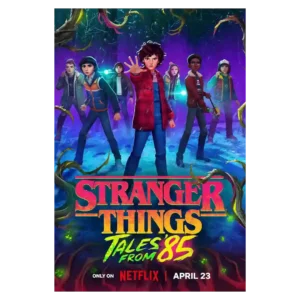
Themes of acceptance, friendship, and embracing difference give Nikki and Will’s relationship meaning, though some feel the show repeats ideas already handled by the main series.
Pros: entertainment value, animation quality
Cons: spin-off quality, acting quality

Overall: 3.6/5
The show touches on adulthood, family expectations, identity, anxiety, dating, and social pressure with real insight at times. Several critics still think those ideas stop short of deeper exploration.
Pros: cast chemistry, animation quality
Cons: humor, plot originality

Overall: 2.9/5
Parental love, loyalty, and duty give the thriller emotional stakes, but many find these ideas underdeveloped or submerged beneath twists.
Pros: suspense, casting quality
Cons: entertainment value, realism

Overall: 3.1/5
The themes are highly divisive. Some reviewers saw a distinctive exploration of repression and female rage; others called the treatment superficial or unsatisfying.
Pros: acting quality, entertainment value
Cons: faithfulness to source material, violence level

Overall: 3.5/5
The season provokes real discussion about money, competition, empathy, and exploitation. Some critics find that psychologically fascinating and meaningful, while others think the supposed critique is hollow.
Pros: emotional impact, plot originality
Cons: entertainment value, character likability

Overall: 3.1/5
The show touches modern dating, identity, grief, loneliness, and queer community, but opinions differ on depth. Fans find realistic stings under the chaos; critics say it rarely reaches beyond sex...
Pros: cast chemistry, acting quality
Cons: humor, character development

Overall: 2.4/5
The series brushes against privilege, social media image, and growing up in a curated world, but most reactions think it rarely turns those ideas into deeper insight.
Cons: audience appeal, story quality

Overall: 2.5/5
Family, power, class, faith, and motherhood give the show thematic potential, but many reviewers think those ideas remain shallow or inconsistently developed. A few still find the mythic family framing...
Pros: main cast performance, production design
Cons: character development, season pacing

Overall: 3.5/5
The season is rarely praised for deep themes, but friendship and maturation occasionally add substance. Harsher reviews still see the show as fundamentally surface-level.
Pros: character development, entertainment value
Cons: character balance, story quality

Overall: 4.0/5
Institutional neglect and mental-health failures surface repeatedly, but the series spends more energy recounting what happened than exploring the deeper reasons.
Pros: suspense, story quality
Cons: accountability handling, ethical sensitivity

Overall: 2.4/5
Power and conformity provide fertile subjects, but the analysis often stops at obvious conclusions. More favorable accounts find sincere questions and useful lessons in leadership and cooperation.
Pros: teamwork portrayal, humor
Cons: scientific credibility, entertainment value

Overall: 3.3/5
The ensemble’s shallow execution restricts the personality and substance the show could develop.
Pros: main cast performance, cast chemistry
Cons: humor, character development