If you want better cast chemistry
Choose How to Get to Heaven from Belfast, Season 1. It scores 5.0 vs 3.9 for cast chemistry, with a 4.4 overall score.

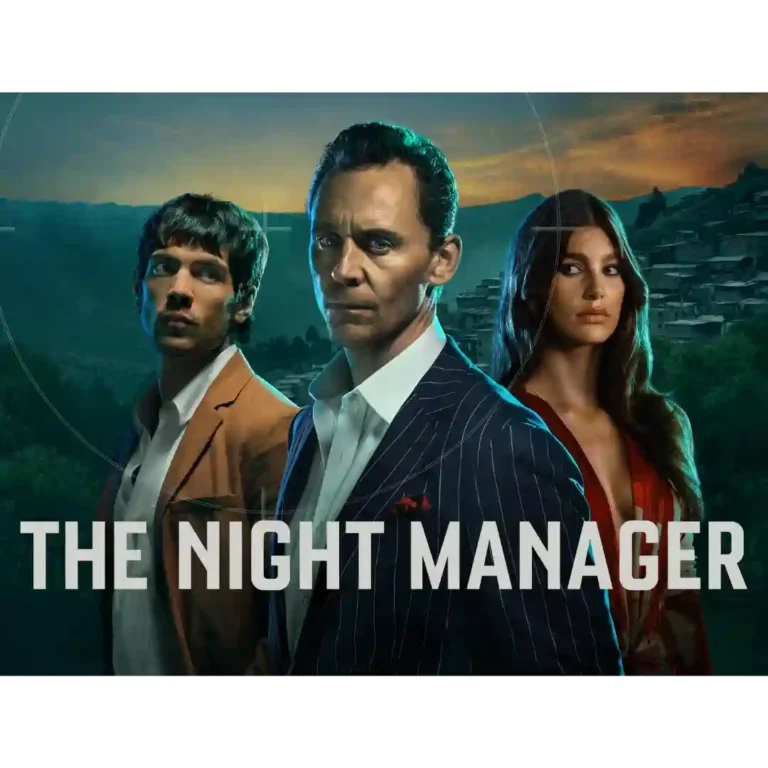
Choose Season 2 for magnetic performances, glossy spy-thriller suspense, and the charged Pine-Teddy dynamic. Skip it if you need a self-contained story, faster early pacing, or a finale that delivers clear resolution.
Best for viewers who enjoy character-driven spy thrillers, morally gray loyalties, luxury-location atmosphere, and tense dialogue as much as action.
Not ideal for viewers who want a self-contained season, fast pacing from the start, or a continuation that stays close to le Carré’s grounded realism.
The Night Manager Season 2 succeeds most clearly as a performance-driven spy thriller. Tom Hiddleston remains a compelling center, while Diego Calva, Hayley Squires, Olivia Colman and the supporting cast give the season real energy. Its luxurious locations, tense conversations and stronger second half produce plenty of gripping television. The tradeoff is structural: the opening can feel slow, several critics see the plot as a reheated version of Season 1, and the finale deliberately withholds closure for Season 3. That ending is thrilling to some and infuriating to many others. The result is a stylish, often absorbing continuation whose acting and suspense are easier to recommend than its originality or standalone payoff.
Compared with other TV Shows, this product is above average in season length, character consistency, continuity, near average in main cast performance, season pacing, below average in score quality, ending satisfaction, accountability handling.
| Attribute | This product | Category average | Difference |
|---|---|---|---|
| score quality | 1.8 | 4.1 | -2.3 |
| ending satisfaction | 1.7 | 3.5 | -1.8 |
| season length | 5.0 | 2.9 | +2.1 |
| accountability handling | 1.5 | 3.6 | -2.1 |
| character consistency | 5.0 | 2.9 | +2.1 |
| originality | 2.0 | 3.3 | -1.3 |
| continuity | 5.0 | 3.3 | +1.7 |
| cultural representation | 2.0 | 3.6 | -1.6 |
Choose How to Get to Heaven from Belfast, Season 1. It scores 5.0 vs 3.9 for cast chemistry, with a 4.4 overall score.
Choose Reacher, Season 4. It scores 5.0 vs 3.6 for renewal interest, with a 3.8 overall score.
Choose A Thousand Blows, Season 2 Review. It scores 5.0 vs 2.7 for season finale quality, with a 4.3 overall score.
Choose Slow Horses, Season 6. It scores 5.0 vs 1.5 for accountability handling, with a 4.6 overall score.
Products reviewers directly compared with this model, grouped into quick takeaways.
For many reviewers, yes: the performances, suspense, and stronger second half justify the return. Others feel the sequel is too repetitive and unresolved to match Season 1.
Season 2 provides reminders, but several critics say familiarity with Season 1 makes the returning characters, Roper connections, and emotional stakes easier to follow.
The first half is the most common pacing complaint. Multiple reviewers say the story noticeably improves once the major midseason reveal pushes the plot forward.
Acting is one of the clearest strengths. Tom Hiddleston remains the anchor, while Diego Calva, Hayley Squires, Olivia Colman, Hugh Laurie, and others receive repeated praise.
Yes, several reviewers describe a faster, more Bond-like action style. Some enjoy the added energy, while others think it weakens the grounded le Carré feel.
This is the most divisive part of the season. The finale is often praised for suspense and shock, but many viewers strongly dislike its lack of closure and Season 3 setup.
These are a few of the reviews included in our analysis.




There is something instantly comforting about dropping back into The Night Manager. The problem is that cracks are beginning to show.
Josie Kafka reviews the second season of The Night Manager. It's okay.
So it all comes down to this. Although, I’ll admit, I spent most of the episode mildly discombobulated, convinced there were eight episodes...
For spies, waiting for a decade is like spending a lifetime in search of clues and closure, but The Night Manager season 2 comes roaring back...
Without a weighty Le Carré novel behind it, there were fears the steamy, stylish spy series would feel phoned in. We needn’t have worried –...

Best for sharp adult humor, magnetic chemistry and a deeply satisfying farewell. Skip it if familiar will-they-won’t-they plotting or deliberately messy leads are dealbreakers.
Pros: humor, writing quality

Choose Widow’s Bay for its dark laughs, richly haunted island and memorable ensemble. Skip it if you need straightforward scares, rapid answers to every mystery or a completely resolved finale.
Pros: humor, genre satisfaction
Cons: ending satisfaction, season pacing

Choose Season 15 for warm, character-driven comedy, meaningful growth, and a finale that rewards longtime fans. Skip it if the short binge format, uneven replacement voices, or occasional clumsy commentary...
Pros: franchise connection, character development

Best for sharply acted, compassionate, high-pressure hospital drama. Skip it if graphic procedures unsettle you or you need a neatly resolved season finale.
Pros: character development, acting performance
Cons: character consistency, dialogue quality