Best for Audio format support
KEF XIO
5.0 attribute score
Highest scored product for this attribute based on supporting review evidence.

Highest scored product for this attribute based on supporting review evidence.
Balances the attribute score, supporting reviews, and overall product strength.
Has the broadest review evidence for this attribute.
Strongest overall product among items with scored evidence for this attribute.

Format support is a major strength, covering the leading immersive formats and high-resolution playback without leaving meaningful gaps for typical movie or music use.
Pros: Overall product quality, Overall sound quality
Cons: Value for money, Video passthrough support
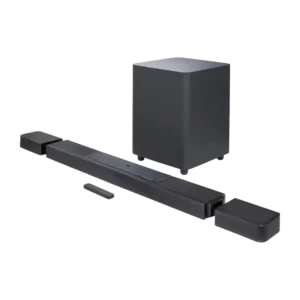
Audio format support was strong where evaluated, with reviewers highlighting Dolby Atmos and DTS:X coverage and broad decoding support.
Pros: Dialogue clarity (for TV/soundbar use), Subwoofer
Cons: EQ customization, Stereo imaging accuracy

High-resolution playback over USB and digital inputs is treated as a real strength for buyers who want better-quality source files without adding another DAC.
Pros: Overall product quality, Overall sound quality
Cons: Remote control usability, Control button responsiveness

Audio format support is strong for USB-C lossless or hi-res playback, with reviewers hearing clearer, deeper sound in that mode.
Pros: Frequency response balance, Price / value for money
Cons: Distortion at high volume, Backwards compatibility

Dolby Atmos, DTS:X, Eclipsa Audio, and common music formats are broadly supported and decoded cleanly.
Pros: Home theater integration, Bass performance
Cons: Value for money, Design and aesthetics

Multi-format spatial-audio support is praised as a versatility advantage for immersive listening.
Pros: Overall sound quality, Smart features
Cons: Value for money, On-device controls

DTS:X support is treated as a meaningful advantage alongside Dolby Atmos, giving disc and movie fans broad immersive-format coverage.
Pros: Rear speaker versatility, Overall product quality
Cons: Size and TV fit, Gaming HDMI passthrough

Support for 24-bit/48kHz lossless playback over USB-C is a standout capability at this size and price. Reviewers hear modest improvements in clarity and detail when using wired playback.
Pros: Music performance, Battery life (if portable)
Cons: Lighting effects, Charging cable inclusion

USB-C playback supports high-resolution digital audio and turns the Muo into a strong compact desk speaker. It is a useful alternative to lossy Bluetooth.
Pros: Design and aesthetics, Music performance
Cons: Price / value for money, App reliability
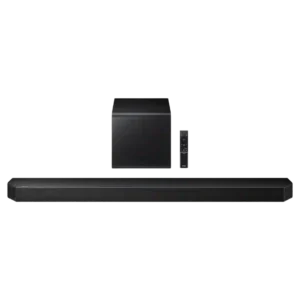
Format support is broad and includes major immersive options such as Dolby Atmos and DTS:X, contributing to the Q800F’s strong home-theater feature set.
Pros: Overall product quality, Overall sound quality
Cons: Bass performance, Surround sound simulation

Wi-Fi playback supports lossless music from major services, giving the Era 100 SL stronger quality options than basic Bluetooth streaming alone.
Pros: Overall satisfaction, Overall sound quality
Cons: Trueplay room tuning, Smart assistant integration (Alexa
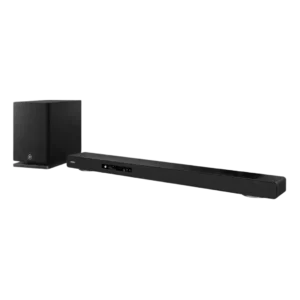
Format support is exceptionally broad, including Dolby Atmos, DTS:X, and the unusual addition of Auro-3D. Several tests singled out Auro-3D and high-resolution playback as differentiating strengths.
Pros: Home theater integration, Overall product quality
Cons: Value for money, Small-room suitability

USB-C lossless playback is widely viewed as a meaningful quality option, and LC3 support adds a modern wireless path in several reviews. The speaker is strongest for Bluetooth and USB-C...
Pros: Overall satisfaction, Overall sound quality
Cons: Energy efficiency, Microphone

Hi-res and file-format support is unusually broad for a compact wireless speaker, and higher-quality material is handled convincingly.
Pros: Design and aesthetics, Overall product quality
Cons: Bass performance, Stereo imaging accuracy

Lossless, Dolby Atmos, Sony 360 Reality Audio, and high-resolution streaming support add real flexibility for compatible services. Spatial formats sound especially good when the source material is properly mixed.
Pros: Overall sound quality, Design and aesthetics
Cons: Value for money, Overall product quality

Format support is a major strength: reviewers repeatedly praise Dolby Atmos, DTS:X, MPEG-H, Sony 360 Reality Audio, and codec visibility. Customers who care about spatial music particularly like that Sennheiser...
Pros: Subwoofer, Surround sound simulation
Cons: Value for money, Wired input

Support for both Dolby Atmos and DTS:X is a meaningful strength, especially against compact rivals that omit DTS:X.
Pros: Design and aesthetics, Overall sound quality
Cons: Value for money, App reliability
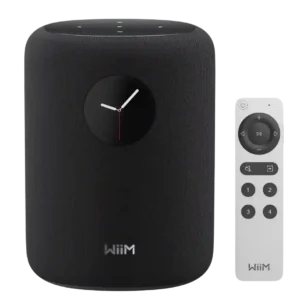
High-resolution playback up to 24-bit/192kHz is repeatedly presented as a strength, often exceeding competing smart-speaker limits. Support for multiple lossless formats and streaming paths appeals to more demanding listeners.
Pros: Overall product quality, Overall sound quality
Cons: AirPlay compatibility, Smart assistant integration (Alexa
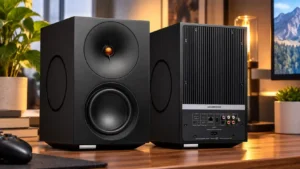
Wide file compatibility is a practical strength. One comparison considers the inter-speaker resolution gap too small to drive a buying decision.
Pros: Design and aesthetics, Overall sound quality
Cons: Placement footprint, Midrange performance
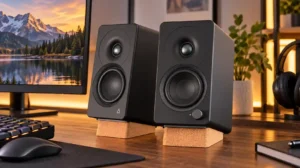
High-resolution support is welcomed for high-quality music files and streaming, giving the system appeal beyond basic computer audio.
Pros: Placement footprint, speaker size
Cons: HDMI ARC, HDMI ARC support

USB-C hi-res/lossless format support is praised as an ultrapure or hi-res playback option.
Pros: Frequency response balance, Loudness / maximum volume
Cons: Weight convenience, Lighting effects
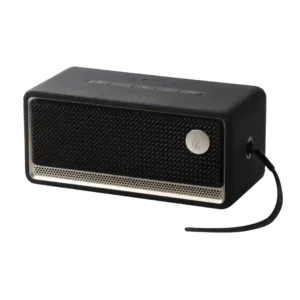
USB-C playback up to 48kHz was praised for sounding cleaner and sharper from a laptop.
Pros: Overall sound quality, Overall satisfaction
Cons: Battery life (if portable), EQ customization
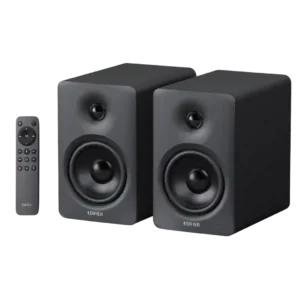
Hi-res wired processing and LDAC playback preserve more detail than basic Bluetooth, with a clearly audible benefit on compatible high-resolution material.
Pros: Bass performance, Value for money
Cons: On-device controls, Auto-off and standby behavior

Format support is strong for a Bluetooth-led system, with CD-quality aptX Lossless and high-resolution wired playback. The wireless path still does not match the highest-resolution network-streaming formats.
Pros: Stereo imaging accuracy, Aesthetic design / Finish options
Cons: Smart features, EQ customization
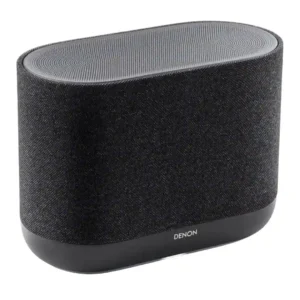
Hi-res and format support are major strengths, including 24-bit/192kHz playback and USB or HEOS options. The main caveat is that some advanced Bluetooth codecs are missing or difficult to use...
Pros: Music performance, Voice clarity
Cons: Small-room suitability, Smart assistant integration (Alexa
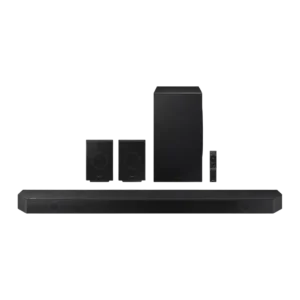
Audio format support was praised for covering key formats such as Dolby Atmos and DTS variants, though some mentions were primarily factual.
Pros: Subwoofer, Value for money
Cons: Remote control usability, Status indicators
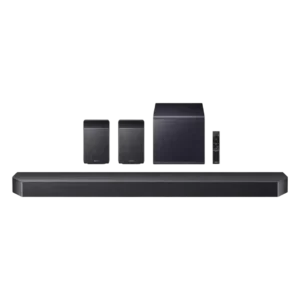
Audio format support is broad and positively framed, covering mainstream immersive formats and newer support without major reviewer concern.
Pros: Value for money, Surround sound simulation
Cons: Status indicators, Wi-Fi streaming reliability
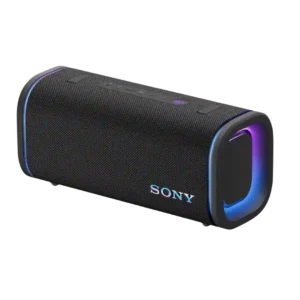
High-resolution LDAC support is treated as a strength for sound quality, with a close-range caveat for the best results.
Pros: Loudness / maximum volume, Battery life (if portable)
Cons: Voice clarity, Stereo imaging accuracy

Audio format support was treated as a meaningful upgrade, especially for Atmos, eARC-era formats, and expanded surround decoding.
Pros: Value for money, Dialogue clarity (for TV/soundbar use)
Cons: Video passthrough support, Soundstage height
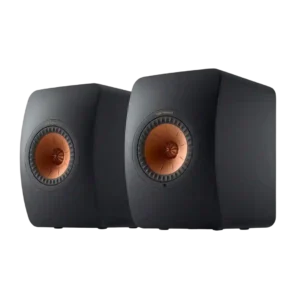
High-resolution format support is generally viewed as useful and broad, though one reviewer heard no practical difference between very high sample-rate files.
Pros: Frequency response balance, Stereo imaging accuracy
Cons: Price, HDMI ARC

Audio format support is a plus because USB-C can enable higher-resolution or lossless listening, though reviewers caution that the small mono speaker limits the payoff.
Pros: Frequency response balance, Battery life (if portable)
Cons: Backwards compatibility, Stereo imaging accuracy
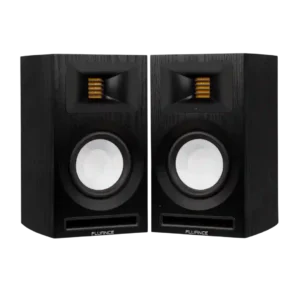
The only opinionated format evidence says the simple stereo format should sound natural with most content rather than chase surround formats.
Pros: Detail retrieval, Value for money
Cons: optical, Smart features

Audio format support received a modest positive mention because AAC improved usefulness for Apple users.
Pros: Loudness / maximum volume, Value for money
Cons: Weight convenience, Battery life (if portable)

Audio format support evidence is limited but positive, with WIRED noting AAC support as a potentially better option for iPhones.
Pros: Frequency response balance, Price / value for money
Cons: Microphone, Dust resistance rating
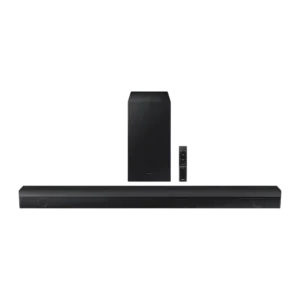
Dolby Digital 5.1 and DTS Virtual:X support helped create cinematic sound, but the lack of Atmos and surround downmixing limited the format story.
Pros: Dialogue clarity (for TV/soundbar use), Subwoofer
Cons: Dolby Atmos height effects, Smart features
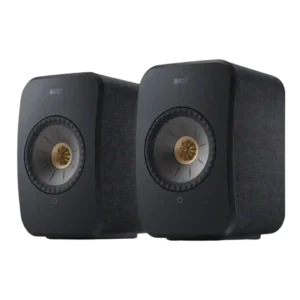
Audio format support was broad, but reviewers noted that higher native resolution playback depends on wired connections.
Pros: Detail retrieval, Subwoofer
Cons: Distortion at high volume, Remote control usability

Format support is broad for hi-res and Dolby sources, but not flawless. Reviewers appreciate the compatibility while repeatedly pointing out missing DTS and limited native Atmos music support.
Pros: App reliability, Subwoofer
Cons: Remote control usability, Value for money

Format support is viewed positively for Dolby Atmos and TrueSpace, but one reviewer criticizes the lack of DTS surround support.
Pros: Dialogue clarity (for TV/soundbar use), Surround sound simulation
Cons: Subwoofer, Value for money
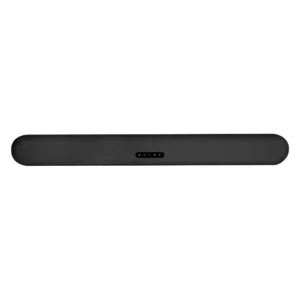
Format support was mixed: reviewers praised hi-res, lossless, and Dolby Atmos support but criticized no DTS:X and no native Dolby Atmos Music in BluOS.
Pros: Dialogue clarity (for TV/soundbar use), Subwoofer
Cons: EQ customization, AI Room Calibration

TV pairing is promoted with spatial audio and, in some coverage, Dolby Atmos. Other reviewers warn that Google has not clearly documented Atmos rendering through the speaker pair.
Pros: Music performance, Voice assistant responsiveness
Cons: Value for money, Bass performance

Audio format support was acceptable but not unlimited, with 24/96 described as a reasonable ceiling for most listeners.
Pros: Wired input, Frequency response balance
Cons: Distortion at high volume
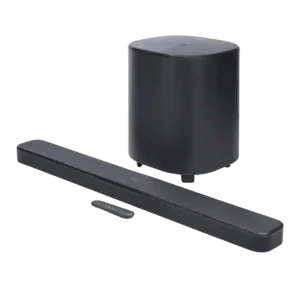
Audio format support was mixed: Dolby Atmos and DTS Virtual X support helped immersion, but one review cited no DTS support.
Pros: Dialogue clarity (for TV/soundbar use), Surround sound simulation
Cons: App reliability, Audio format support

Audio format support was mixed: Dolby Atmos support impressed reviewers, but DTS:X, hi-res, and TV passthrough limitations were repeated caveats.
Pros: Value for money, Dolby Atmos height effects
Cons: Audio format support, Video passthrough support
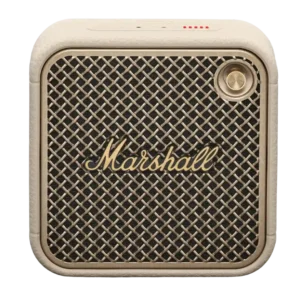
Two reviews noted the lack of high-resolution audio support, while also treating it as a modest limitation for a speaker this small.
Pros: Design and aesthetics, Loudness / maximum volume
Cons: EQ customization, App reliability
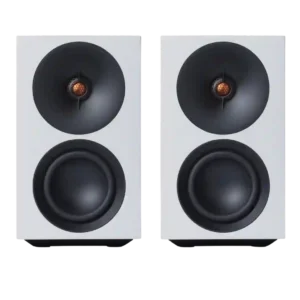
The digital inputs top out at 24-bit/96kHz, and one test found a higher-resolution SACD rip would not play. That is adequate for common desktop use but restrictive for listeners with...
Pros: Design and aesthetics, Small-room suitability
Cons: Distortion at high volume, On-device controls

Atmos can open up a strikingly immersive presentation, but the experience depends on the mix and the supported streaming route; some mixes disappoint.
Pros: Value for money, Overall sound quality
Cons: Design and aesthetics, Audio format support

Audio format support was a recurring limitation because reviews criticized missing DTS or Atmos support, despite one included review praising Atmos content.
Pros: Value for money, Dialogue clarity (for TV/soundbar use)
Cons: Subwoofer, Bluetooth connectivity
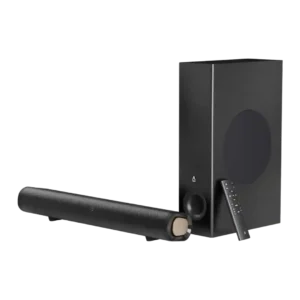
Audio format support is serviceable for the price, with Dolby Digital/Plus noted, but reviewers repeatedly call out missing Atmos and eARC-related limits.
Pros: Value for money, Surround sound simulation
Cons: Stereo imaging accuracy, Smart features

Standard music playback earns strong marks, but the lack of Dolby Atmos and spatial-audio support is a recurring limitation versus larger or competing smart speakers.
Pros: Bass performance, Overall sound quality
Cons: Google, Wired input
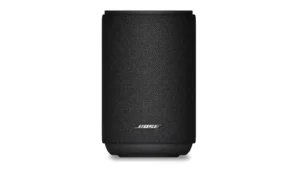
Format support has a notable ceiling: the speaker lacks native Dolby Atmos music and some high-resolution Bluetooth options, while one review also noted a 24-bit/48kHz playback limit. TrueSpatial adds height,...
Pros: Overall sound quality, Design and aesthetics
Cons: Multi-speaker pairing reliability, Smart features